L'Oréal Professionnel Agua Micelar Bifásica Versus Anua Heartleaf Quercetinol Pore Deep Cleansing Foam
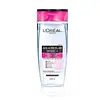
This mild micellar makeup remover is made to dissolve makeup, sunscreen, and daily buildup.
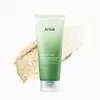
This salicylic acid foaming cleanser is formulated around Salicylic Acid to clear breakouts and unclog pores.


What's inside
What's inside
 Key Ingredients
No key ingredients
Benefits
No benefits
Concerns
No concerns
Ingredients Side-by-side

Cota Tinctoria Flower/Leaf/Stem Extract 33%
Skin ConditioningGlycerin
Humectant


Sodium Cocoyl Glycinate
Cleansing
Water
Skin ConditioningDisodium Cocoamphodiacetate
CleansingSodium Lauroyl Glutamate
SurfactantGlyceryl Stearate
Emollient

Propanediol
Solvent
Coco-Glucoside
Cleansing
Sodium Chloride
MaskingDecyl Glucoside
Cleansing
Ectoin
Skin Conditioning



1,2-Hexanediol
Skin Conditioning
Hydroxyacetophenone
Antioxidant
Salicylic Acid
Masking









Butylene Glycol
Humectant
Polyquaternium-67
Houttuynia Cordata Powder
Skin ConditioningAcrylates/C10-30 Alkyl Acrylate Crosspolymer
Emulsion StabilisingSorbitol
Humectant
Ethylhexylglycerin
Skin ConditioningEucalyptus Globulus Leaf Oil
Perfuming



Hexylene Glycol
EmulsifyingOenothera Biennis Flower Extract
AstringentPueraria Lobata Root Extract
HumectantPinus Densiflora Leaf Extract
Antimicrobial
Ulmus Fulva Bark Extract
MoisturisingPentylene Glycol
Skin Conditioning
Sodium Hyaluronate
Humectant
Hyaluronic Acid
Humectant
Hydrolyzed Hyaluronic Acid
Humectant
Hydroxypropyltrimonium Hyaluronate
Hydrolyzed Sodium Hyaluronate
Skin Conditioning
Potassium Hyaluronate
Skin ConditioningSodium Hyaluronate Crosspolymer
Humectant
Sodium Acetylated Hyaluronate
Humectant
Quercetin
Antioxidant
Cota Tinctoria Flower/Leaf/Stem Extract 33%, Glycerin, Sodium Cocoyl Glycinate, Water, Disodium Cocoamphodiacetate, Sodium Lauroyl Glutamate, Glyceryl Stearate, Propanediol, Coco-Glucoside, Sodium Chloride, Decyl Glucoside, Ectoin, 1,2-Hexanediol, Hydroxyacetophenone, Salicylic Acid, Butylene Glycol, Polyquaternium-67, Houttuynia Cordata Powder, Acrylates/C10-30 Alkyl Acrylate Crosspolymer, Sorbitol, Ethylhexylglycerin, Eucalyptus Globulus Leaf Oil, Hexylene Glycol, Oenothera Biennis Flower Extract, Pueraria Lobata Root Extract, Pinus Densiflora Leaf Extract, Ulmus Fulva Bark Extract, Pentylene Glycol, Sodium Hyaluronate, Hyaluronic Acid, Hydrolyzed Hyaluronic Acid, Hydroxypropyltrimonium Hyaluronate, Hydrolyzed Sodium Hyaluronate, Potassium Hyaluronate, Sodium Hyaluronate Crosspolymer, Sodium Acetylated Hyaluronate, Quercetin
Reviews
Ingredients Explained
These ingredients are found in both products.
Ingredients higher up in an ingredient list are typically present in a larger amount.
Decyl Glucoside is a plant-derived surfactant and emulsion stabilizer. It is created by reacting glucose with the fatty acids from plants.
Like all surfactants, it works by lowering the surface tension between water and oil. This makes it so that dirt, sebum, and makeup can be lifted off your skin and rinsed away. It also produces a dense and creamy foam.
Because it has a neutral charge, it is compatible with a wide range of ingredients and stays stable across a broad pH range/water hardiness conditions.
Patch testing has shown it to have the lowest irritation potential among common cleansing surfactants (like SLS).
Typical use levels range from 5-20% in rinse-off cleansers.
One thing worth knowing: The American Contact Dermatitis Society named the parent family, alkyl glucosides, "Allergen of the Year" in 2017. The prevalence of allergy is pretty low but be sure to patch test if you've reacted to "gentle" or sulfate-free cleansers before.
This ingredient is fungal acne safe because the fatty alcohol portion of this ingredient is not within the C11-24 chain length that Malassezia can metabolize.
Learn more about Decyl GlucosideHexylene Glycol is a multitasker ingredient that works as a solvent, humectant, emulsifier, viscosity reducer, and preservative booster.
It is able to dissolve both water and oil-soluble ingredients to stabilize tricky actives and make products spread more easily.
As a humectant, it pulls water into the skin. But it's a pretty minor moisturizing ingredient compared to other humectants, like glycerin.
Interestingly, it can act as a mild penetration enhancer. One in vitro study on human skin found a 12% concentration upped the absorption of mometasone furoate (a medicinal ingredient used to treat inflammatory skin conditions) up to 7%.
This ingredient is typically used at levels of 0.1-10% depending on the role it's playing.
A patch test study on eczema patients didn't find a significant increase in irritation versus the control group, but the potential for irritation rises at higher concentrations.
Learn more about Hexylene GlycolChances are, you eat sodium chloride every day. Sodium Chloride is also known as table salt. This ingredient has many purposes in skincare: thickener, emulsifier, and exfoliator.
You'll most likely find this ingredient in cleansers where it is used to create a gel-like texture. As an emulsifier, it also prevents ingredients from separating.
You might see people debate whether Sodium Chloride is comedogenic, but there actually haven't been any comedogenic tests done on it. Either way, the overall formulation of a product matters a lot more than any single ingredient.
You might see this ingredient used in scrubs as a primary exfoliating ingredient.
Learn more about Sodium ChlorideWater. It's the most common cosmetic ingredient of all. You'll usually see it at the top of ingredient lists, meaning that it makes up the largest part of the product.
So why is it so popular? Water most often acts as a solvent - this means that it helps dissolve other ingredients into the formulation.
You'll also recognize water as that liquid we all need to stay alive. If you see this, drink a glass of water. Remember to stay hydrated!
Learn more about Water

