

What's inside
What's inside
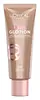 Key Ingredients
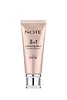
Benefits
Concerns
Ingredients Side-by-side
Water
Skin ConditioningGlycerin
Humectant


Dimethicone
Emollient
Alcohol Denat.
Antimicrobial




Butyrospermum Parkii Butter
Skin Conditioning


CI 77891
Cosmetic ColorantAmmonium Polyacryloyldimethyl Taurate
Emulsion StabilisingSynthetic Fluorphlogopite
Polyglyceryl-6 Distearate
Emulsifying
Mica
Cosmetic ColorantPolysilicone-11

Phenoxyethanol
Preservative
Pentaerythrityl Tetraethylhexanoate
Emollient
Jojoba Esters
Emollient
Capryloyl Salicylic Acid
Exfoliating



Caprylyl Glycol
Emollient
Sodium Citrate
BufferingPolyacrylamide
CI 77491
Cosmetic ColorantBoron Nitride
Absorbent
Polyglyceryl-3 Beeswax
Emulsifying
Cetyl Alcohol
Emollient
C13-14 Isoparaffin
Emollient
Adenosine
Skin Conditioning

Disodium EDTA
ChelatingCitric Acid
Buffering

Laureth-7
EmulsifyingSodium Stearate
CleansingTin Oxide
Abrasive
Cetearyl Alcohol
Emollient
Triethoxysilylethyl Polydimethylsiloxyethyl Dimethicone
Skin Conditioning
Isopropyl Titanium Triisostearate
Emollient
Alumina
Abrasive
Ceteareth-20
Cleansing
Calcium Chloride
AstringentWater, Glycerin, Dimethicone, Alcohol Denat., Butyrospermum Parkii Butter, CI 77891, Ammonium Polyacryloyldimethyl Taurate, Synthetic Fluorphlogopite, Polyglyceryl-6 Distearate, Mica, Polysilicone-11, Phenoxyethanol, Pentaerythrityl Tetraethylhexanoate, Jojoba Esters, Capryloyl Salicylic Acid, Caprylyl Glycol, Sodium Citrate, Polyacrylamide, CI 77491, Boron Nitride, Polyglyceryl-3 Beeswax, Cetyl Alcohol, C13-14 Isoparaffin, Adenosine, Disodium EDTA, Citric Acid, Laureth-7, Sodium Stearate, Tin Oxide, Cetearyl Alcohol, Triethoxysilylethyl Polydimethylsiloxyethyl Dimethicone, Isopropyl Titanium Triisostearate, Alumina, Ceteareth-20, Calcium Chloride
Water
Skin ConditioningC12-15 Alkyl Benzoate
AntimicrobialBis-Ethylhexyloxyphenol Methoxyphenyl Triazine
UV Absorber
Ethylhexyl Salicylate
UV Absorber
Glycerin
Humectant
Caprylic/Capric Triglyceride
Masking
Isoamyl Laurate
Emollient
Cocoglycerides
Emollient
Diethylhexyl Carbonate
EmollientSynthetic Fluorphlogopite
PEG-100 Stearate
Surfactant
Glyceryl Stearate
Emollient
Mica
Cosmetic ColorantPotassium Cetyl Phosphate
EmulsifyingCetearyl Alcohol
Emollient
Hydroxyacetophenone
Antioxidant
Polyacrylamide
1,2-Hexanediol
Skin Conditioning
Caprylyl Glycol
Emollient
C13-14 Isoparaffin
Emollient
Ceteareth-20
Cleansing
Parfum
Masking

Pongamia Pinnata Seed Extract
Skin ConditioningPolyglyceryl-6 Stearate
Emollient
Polyglyceryl-6 Behenate
Emulsion Stabilising
Laureth-7
EmulsifyingChamomilla Recutita Flower Extract
Masking
Tin Oxide
Abrasive
CI 77891
Cosmetic ColorantCI 77491
Cosmetic ColorantWater, C12-15 Alkyl Benzoate, Bis-Ethylhexyloxyphenol Methoxyphenyl Triazine, Ethylhexyl Salicylate, Glycerin, Caprylic/Capric Triglyceride, Isoamyl Laurate, Cocoglycerides, Diethylhexyl Carbonate, Synthetic Fluorphlogopite, PEG-100 Stearate, Glyceryl Stearate, Mica, Potassium Cetyl Phosphate, Cetearyl Alcohol, Hydroxyacetophenone, Polyacrylamide, 1,2-Hexanediol, Caprylyl Glycol, C13-14 Isoparaffin, Ceteareth-20, Parfum, Pongamia Pinnata Seed Extract, Polyglyceryl-6 Stearate, Polyglyceryl-6 Behenate, Laureth-7, Chamomilla Recutita Flower Extract, Tin Oxide, CI 77891, CI 77491
Reviews
Ingredients Explained
These ingredients are found in both products.
Ingredients higher up in an ingredient list are typically present in a larger amount.
C13-14 Isoparaffin is a synthetic emollient, solvent, and thickening agent. It helps soften skin and improves spreadability without leaving a greasy residue.
This ingredient has been found to be non-sensitizing and safe for use in cosmetics.
Two things floating around online that cause fear-mongering:
There's one scary-sounding study related to kidney tumors in male rats; this depends on a protein called alpha-2u-globulin that binds the ingredient and clogs up kidney cells. Female rats barely make this protein, and humans don't make it at all so this effect cannot happen to us. Regulatory bodies have states this rat-only pathway shouldn't be used to judge human risk.
The other thing you'll see is 1,4-dioxane being a trace byproduct that can form during manufacturing of petroleum-derived ingredients. This is a real, but heavily managed/monitored issue. This byproduct is removed through purification steps before the ingredients goes into the formula. Regulatory bodies also actively monitor residual levels for safety.
One last thing to note: this ingredient is a pure hydrocarbon with no fatty-acid or ester chains for Malassezia to feed on, so it's considered fungal acne safe.
Learn more about C13-14 IsoparaffinCaprylyl Glycol is a humectant, skin conditioner, emollient, and preservative booster derived from either caprylic acid or synthetically created.
Typical use levels vary from 0.3-1% as a preservative booster and go up to 2% to condition skin.
Because it is not a free-fatty acid, this ingredient is fungal acne safe (there's nothing for Malassezia to feed on).
Learn more about Caprylyl GlycolCeteareth-20 is an emulsifier and surfactant made by reacting cetearyl alcohol with 20 moles of ethylene oxide.
This gives it both oil and water-loving properties that makes it an effect emulsifier; it's really great at pulling oil droplets into water to create a stable, creamy, and easy-to-spread base.
Typical use ranges from 0.5-30%. Most leave-on products are in the 1-10% zone.
The 20 ethylene oxide units is well above the PEG-10 threshold and therefore not a food source for Malassezia (it's fungal acne safe).
This ingredient has a comedogenic rating of 2 and an irritancy rating of 3. These numbers come from testing the raw ingredient on rabbit ears and doesn't reflect how it will behave in a finished product.
In practice, this ingredient is a well-tolerated ingredient. The ratings reflect cautious lab conditions and not real-world use. Just be sure to patch test any formulas you feel unsure about.
Learn more about Ceteareth-20Cetearyl alcohol is a waxy mixture of two fatty alcohols: cetyl alcohol and stearyl alcohol. It is an emollient and emulsifier.
Despite having "alcohol" in its name, it has nothing to do with drying solvent alcohols; the FDA also allows "alcohol-free" products to contain fatty alcohols like this ingredient.
It plays several roles in a formula:
Typical use levels for this ingredient sit around 1-10% and the Cosmetic Ingredient Review Expert Panel has affirmed safety at concentrations up to 25% in leave-on products.
Multiple assessments have found it to be non-irritating and non-sensitizing to most people.
However, there have been some cases of allergic contact dermatitis in patients with chronically compromised skin barriers.
Cetearyl alcohol has a comedogenic rating of 2 and irritancy rating of 1. Both of these numbers come from the 1989 study that used rabbit ears; a "2" means mildly comedogenic and a "1" means low irritancy.
Here's the catch: rabbit skin is more sensitive than human skin and throws a lot of false positives. A 1996 reappraisal found that ingredients rated 1-2 in the rabbit ear tests are generally safe for humans.
Remember comedogenic ratings are unable to assess the entire formula of a product or how it will react on your skin. Just be sure to patch test if you are unsure about certain ingredients.
This ingredient is not fungal acne safe. Cetearyl alcohol is a fatty alcohol with chain lengths that fall within the range that Malassezia can metabolize.
A 2019 study has also observed Malassezia growth in the presence of this ingredient, confirming it to be not-fungal acne safe.
Learn more about Cetearyl AlcoholCi 77491 is also hydrated iron III oxide. It's sole purpose is to give a red/pink hue to products.
Iron III oxides are classified as inorganic chemicals for coloring.
Synthetically created Ci 77491 is considered safer than those naturally found. This is because the synthetically created version may contain less impurities. Iron oxides are generally non-toxic and non-allergenic.
Learn more about CI 77491Ci 77891 is a white pigment from Titanium dioxide. It is naturally found in minerals such as rutile and ilmenite.
It's main function is to add a white color to cosmetics. It can also be mixed with other colors to create different shades.
Ci 77891 is commonly found in sunscreens due to its ability to block UV rays.
Learn more about CI 77891Glycerin (or glycerol) is a compound naturally found in your skin. It's a powerhouse humectant that pulls water into the stratum corneum.
Topically, glycerin does several things at once:
Your skin makes glycerin on its own (mostly from sebaceous oil breakdown) and shuttles it to your outermost layer of skin, or your epidermis, via aquaporin-3.
Aquaporin-3 is a transporter that is essential for normal skin hydration, elasticity, and repair. Interestingly, mice lacking in AQP3 have dry and less elastic skin that can be fully corrected with glycerin.
This ingredient is non-irritating, plays well with almost every ingredient, and works across all skin types. Typical use is anywhere between 3-10% but can go up to 79% in some leave-on products.
Just know very high concentrations (>40%) can feel tacky in low humidity.
Glycerin is the name for this ingredient in American English. British English uses Glycerol/Glycerine.
Learn more about GlycerinLaureth-7 is created by the ethoxylation of lauryl alcohol using ethylene oxide. Lauryl alcohol is a fatty alcohol with hydrating properties.
This ingredient is an emulsifier and cleansing ingredient. As an emulsifier, it is used to prevent ingredients from separating. It also helps cleanse the skin by gathering dirt, oil, and pollutants to be rinsed away.
Mica is a naturally occurring mineral used to add shimmer and color in cosmetics. It can also help improve the texture of a product or give it an opaque, white/silver color.
Serecite is the name for very fine but ragged grains of mica.
This ingredient is often coated with metal oxides like titanium dioxide. Trace amounts of heavy metals may be found in mica, but these metals are not harmful in our personal products.
Mica has been used since prehistoric times throughout the world. Ancient Egyptian, Indian, Greek, Roman, Aztec, and Chinese civilizations have used mica.
Learn more about MicaPolyacrylamide is a synthetic polymer. It is used to stabilize products and bind ingredients. When hydrated, Polyacrylamide forms a soft gel.
Polyacrylamide is low-toxicity. If source properly, it is deemed safe to use in cosmetics.
It should be noted the precursor to Polyacrylamide is acrylamide. Acrylamide is a carcinogen. Most reputable sources of Polyacrylamide will screen for residual acrylamide to make sure the count is in a safe range. Acrylamide is not able to be absorbed through the skin.
We recommend speaking with a professional if you have concerns.
Learn more about PolyacrylamideSynthetic Fluorphlogopite is the synthethic version of mica. It consists of fluorine, aluminum and silicate.
Synthetic Fluorphlogopite is used to add volume to products.
It is considered non-irritating on the skin.
Learn more about Synthetic FluorphlogopiteTin Oxide is an inorganic oxide used to add opacity and volume to a product. In nature, it is already found in mineral form. The main ore of tin is an opaque and shiny mineral called casseterite.
Tin Oxide helps remove translucency in a product, or make it more opaque. Besides adding opacity, tin oxide is used for bulking to add volume.
Water. It's the most common cosmetic ingredient of all. You'll usually see it at the top of ingredient lists, meaning that it makes up the largest part of the product.
So why is it so popular? Water most often acts as a solvent - this means that it helps dissolve other ingredients into the formulation.
You'll also recognize water as that liquid we all need to stay alive. If you see this, drink a glass of water. Remember to stay hydrated!
Learn more about Water

