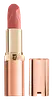
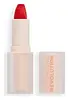
L'Oreal Les Nus By Colour Riche Intense Nude Lipstick Versus Revolution Beauty Lip Allure Soft Satin Lipstick


What's inside
What's inside
 Key Ingredients
Benefits
Concerns
Ingredients Side-by-side
Dimethicone
Emollient

Hydrogenated Polyisobutene
EmollientPolyethylene
Abrasive

Trimethyl Pentaphenyl Trisiloxane
Emollient
Octyldodecyl Neopentanoate
EmollientSucrose Acetate Isobutyrate
Stearyl Heptanoate
Emollient

Trimethylsiloxysilicate
Emollient
Stearyl Caprylate
EmollientArgania Spinosa Kernel Oil
Emollient







Paraffin
Skin Conditioning
Pentaerythrityl Tetra-Di-T-Butyl Hydroxyhydrocinnamate
Antioxidant
Alumina
Abrasive
Dimethicone/Vinyltrimethylsiloxysilicate Crosspolymer
Cera Microcristallina
Emulsion StabilisingSynthetic Wax
Abrasive
Calcium Sodium Borosilicate
Citronellol
Perfuming

Calcium Aluminum Borosilicate
Synthetic Fluorphlogopite
CI 77120
Cosmetic ColorantLimonene
Perfuming
Colophonium
Geraniol
Perfuming
Magnesium Silicate
AbsorbentSilica
Abrasive
Benzyl Alcohol
Perfuming


Tocopherol
Antioxidant



Linalool
Perfuming
Tin Oxide
Abrasive
Aluminum Hydroxide
EmollientParfum
Masking
CI 77891
Cosmetic ColorantCI 77491
Cosmetic ColorantCI 77492
Cosmetic ColorantCI 77499
Cosmetic ColorantCI 15850
Cosmetic ColorantCI 45410
Cosmetic ColorantCI 15985
Cosmetic ColorantCI 42090
Cosmetic ColorantCI 17200
Cosmetic ColorantCI 45380
Cosmetic ColorantCI 77742
Cosmetic ColorantCI 75470
Cosmetic ColorantCI 19140
Cosmetic ColorantDimethicone, Hydrogenated Polyisobutene, Polyethylene, Trimethyl Pentaphenyl Trisiloxane, Octyldodecyl Neopentanoate, Sucrose Acetate Isobutyrate, Stearyl Heptanoate, Trimethylsiloxysilicate, Stearyl Caprylate, Argania Spinosa Kernel Oil, Paraffin, Pentaerythrityl Tetra-Di-T-Butyl Hydroxyhydrocinnamate, Alumina, Dimethicone/Vinyltrimethylsiloxysilicate Crosspolymer, Cera Microcristallina, Synthetic Wax, Calcium Sodium Borosilicate, Citronellol, Calcium Aluminum Borosilicate, Synthetic Fluorphlogopite, CI 77120, Limonene, Colophonium, Geraniol, Magnesium Silicate, Silica, Benzyl Alcohol, Tocopherol, Linalool, Tin Oxide, Aluminum Hydroxide, Parfum, CI 77891, CI 77491, CI 77492, CI 77499, CI 15850, CI 45410, CI 15985, CI 42090, CI 17200, CI 45380, CI 77742, CI 75470, CI 19140
Phenyl Trimethicone
Skin Conditioning
Dimethicone
Emollient
Paraffin
Skin Conditioning
Caprylic/Capric Triglyceride
Masking
Isononyl Isononanoate
EmollientSilica
Abrasive
Hydrogenated Polyisobutene
EmollientDiisostearyl Malate
EmollientOctyldodecanol
Emollient
Dimethicone/Vinyl Dimethicone Crosspolymer
Skin Conditioning
Ozokerite
Emulsion StabilisingVinyl Dimethicone/Methicone Silsesquioxane Crosspolymer
Euphorbia Cerifera Cera
Astringent
Cera Microcristallina
Emulsion StabilisingSimmondsia Chinensis Seed Oil
Emollient
Phenoxyethanol
Preservative
Caprylyl Glycol
Emollient
Tocopheryl Acetate
Antioxidant
Ascorbyl Tetraisopalmitate
Antioxidant
Ethylhexylglycerin
Skin ConditioningLimnanthes Alba Seed Oil
Skin Conditioning
Glyceryl Behenate
Emollient
Sodium Hyaluronate
Humectant
CI 77891
Cosmetic ColorantCI 77491
Cosmetic ColorantCI 15850
Cosmetic ColorantPhenyl Trimethicone, Dimethicone, Paraffin, Caprylic/Capric Triglyceride, Isononyl Isononanoate, Silica, Hydrogenated Polyisobutene, Diisostearyl Malate, Octyldodecanol, Dimethicone/Vinyl Dimethicone Crosspolymer, Ozokerite, Vinyl Dimethicone/Methicone Silsesquioxane Crosspolymer, Euphorbia Cerifera Cera, Cera Microcristallina, Simmondsia Chinensis Seed Oil, Phenoxyethanol, Caprylyl Glycol, Tocopheryl Acetate, Ascorbyl Tetraisopalmitate, Ethylhexylglycerin, Limnanthes Alba Seed Oil, Glyceryl Behenate, Sodium Hyaluronate, CI 77891, CI 77491, CI 15850
Ingredients Explained
These ingredients are found in both products.
Ingredients higher up in an ingredient list are typically present in a larger amount.
Cera Microcristallina, aka microcrystalline wax, is a petroleum-derived wax that helps thicken texture and stabilize the oils in formulas.
It also has mild occlusive properties that creates a film on skin to slow down water loss.
The CIR Expert Panel has concluded this ingredient to be safe as used in cosmetics.
This ingredient is refined to a cosmetic grade with high purity. It is chemically inert, stable, and doesn't clog pores (petroleum has a comedogenic rating of 0).
Malassezia feeds on fatty acids roughly in the C11-24 range and this ingredient contains none of those. Since there's no plausible food source for it here, this ingredient is fungal acne safe.
Learn more about Cera MicrocristallinaCi 15850 is the pigment color red. It is an azo dye and created synthetically.
Azo dyes need to be thoroughly purified before use. This allows them to be more stable and longer-lasting.
This ingredient is common in foundations, lipsticks, and blushes. This color is described as brown/orangey red.
It has many secondary names such as Red 6 and Red 7. According to a manufacturer, Red 6 usually contains aluminum.
Learn more about CI 15850Ci 77491 is also hydrated iron III oxide. It's sole purpose is to give a red/pink hue to products.
Iron III oxides are classified as inorganic chemicals for coloring.
Synthetically created Ci 77491 is considered safer than those naturally found. This is because the synthetically created version may contain less impurities. Iron oxides are generally non-toxic and non-allergenic.
Learn more about CI 77491Ci 77891 is a white pigment from Titanium dioxide. It is naturally found in minerals such as rutile and ilmenite.
It's main function is to add a white color to cosmetics. It can also be mixed with other colors to create different shades.
Ci 77891 is commonly found in sunscreens due to its ability to block UV rays.
Learn more about CI 77891Dimethicone is a type of synthetic silicone created from natural materials such as quartz. It is also known as polydimethylsiloxane.
What it does:
Dimethicone comes in different viscosities:
Depending on the viscosity, dimethicone has different properties.
Ingredients lists don't always show which type is used, so we recommend reaching out to the brand if you have questions about the viscosity.
This ingredient is unlikely to cause irritation because it does not get absorbed into skin. However, people with silicone allergies should be careful about using this ingredient.
Note: Dimethicone may contribute to pilling. This is because it is not oil or water soluble, so pilling may occur when layered with products. When mixed with heavy oils in a formula, the outcome is also quite greasy.
Learn more about DimethiconeHydrogenated Polyisobutene is a synthetic polymer. Polymers are compounds with high molecular weight. Hydrogenated Polyisobutene is an emollient and texture enhancer.
In one study, Hydrogenated Polyisobutene showed better skin hydration levels than Caprylic/Capric Triglyceride. As an emollient, it helps keep your skin soft and hydrated by trapping moisture in.
Hydrogenated Polyisobutene is often used as a mineral oil replacement.
Learn more about Hydrogenated PolyisobuteneParaffin is a solid wax that pulls its weight as an emollient, occlusive, and consistency-booster.
It softens skin and lays down a protective film to slow water loss and gives products a stable body and structure.
The cosmetic grade stuff is highly refined with a solid safety record. The CIR Expert Panel has repeatedly reaffirmed this ingredient to be safe in current practices of use and concentration.
The worry about carcinogenic compounds only applies to industrial grades, not the purified version used in skincare.
Despite its reputation, the highly reformed form is non-comedogenic and doesn't penetrate deeply into skin.
The good news for fungal-acne prone folks: the Malassezia yeast feeds on fatty acids and lipids and paraffin doesn't contain any of these (so there's nothing for the yeast to metabolize). This ingredient is considered fungal acne safe.
Learn more about ParaffinSilica, also known as silicon dioxide, is a naturally occurring mineral. It is used as a fine, spherical, and porous powder in cosmetics.
Though it has exfoliant properties, the function of silica varies depending on the product.
The unique structure of silica enhances the spreadability and adds smoothness, making it a great texture enhancer.
It is also used as an active carrier, emulsifier, and mattifier due to its ability to absorb excess oil.
In some products, tiny microneedles called spicules are made from silica or hydrolyzed sponge. When you rub them in, they lightly polish away dead skin layers and enhance the penetration of active ingredients.
Learn more about Silica

