

What's inside
What's inside
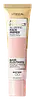 Key Ingredients
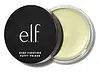
Benefits
Concerns
Ingredients Side-by-side
Dimethicone
Emollient

Water
Skin ConditioningGlycerin
Humectant

Dimethicone Crosspolymer
Emulsion Stabilising
Methyl Methacrylate Crosspolymer

Isononyl Isononanoate
EmollientAlcohol Denat.
Antimicrobial




Vinyl Dimethicone/Methicone Silsesquioxane Crosspolymer
Butylene Glycol
Humectant
Lauryl PEG-9 Polydimethylsiloxyethyl Dimethicone
Skin Conditioning
Boron Nitride
Absorbent
Phenoxyethanol
Preservative
PEG/PPG-18/18 Dimethicone
Emulsifying
Perlite
Absorbent
Magnesium Sulfate
Silica Silylate
Emollient
Capryloyl Salicylic Acid
Exfoliating


Caprylyl Glycol
Emollient
Menthyl Lactate
Masking
Lens Esculenta Seed Extract
Skin ProtectingBisabolol
Antioxidant


CI 77891
Cosmetic ColorantDextrin
AbsorbentDimethiconol
Emollient
CI 77491
Cosmetic ColorantSynthetic Fluorphlogopite
Eperua Falcata Bark Extract
Skin ProtectingFarnesol
Perfuming

Ethylhexylglycerin
Skin ConditioningDisodium Stearoyl Glutamate
CleansingAluminum Hydroxide
EmollientTocopherol
Antioxidant


Dimethicone, Water, Glycerin, Dimethicone Crosspolymer, Methyl Methacrylate Crosspolymer, Isononyl Isononanoate, Alcohol Denat., Vinyl Dimethicone/Methicone Silsesquioxane Crosspolymer, Butylene Glycol, Lauryl PEG-9 Polydimethylsiloxyethyl Dimethicone, Boron Nitride, Phenoxyethanol, PEG/PPG-18/18 Dimethicone, Perlite, Magnesium Sulfate, Silica Silylate, Capryloyl Salicylic Acid, Caprylyl Glycol, Menthyl Lactate, Lens Esculenta Seed Extract, Bisabolol, CI 77891, Dextrin, Dimethiconol, CI 77491, Synthetic Fluorphlogopite, Eperua Falcata Bark Extract, Farnesol, Ethylhexylglycerin, Disodium Stearoyl Glutamate, Aluminum Hydroxide, Tocopherol
Salicylic Acid 1.8%
Masking

Water
Skin ConditioningDimethicone
Emollient
Propylene Glycol
Humectant
Glycerin
Humectant
Ceresin
Emulsion StabilisingParaffin
Perfuming
Hydrogenated Polyisobutene
EmollientHdi/Trimethylol Hexyllactone Crosspolymer
Trimethylsiloxysilicate
Emollient
Polymethylsilsesquioxane
Tromethamine
BufferingLauryl PEG-10 Tris(Trimethylsiloxy)Silylethyl Dimethicone
Emulsifying
Sodium Chloride
MaskingDimethicone/PEG-10/15 Crosspolymer
Dimethicone Crosspolymer
Emulsion Stabilising
Zinc PCA
Humectant
Kaolin
Abrasive
Silica
Abrasive
Oryza Sativa Bran Wax
Skin Conditioning
Triethoxycaprylylsilane
Disodium EDTA
Ethylhexylglycerin
Skin ConditioningCaprylyl Glycol
Emollient
Phenoxyethanol
Preservative
CI 77891
Cosmetic ColorantCI 77288
Cosmetic ColorantCI 77492
Cosmetic ColorantSalicylic Acid 1.8%, Water, Dimethicone, Propylene Glycol, Glycerin, Ceresin, Paraffin, Hydrogenated Polyisobutene, Hdi/Trimethylol Hexyllactone Crosspolymer, Trimethylsiloxysilicate, Polymethylsilsesquioxane, Tromethamine, Lauryl PEG-10 Tris(Trimethylsiloxy)Silylethyl Dimethicone, Sodium Chloride, Dimethicone/PEG-10/15 Crosspolymer, Dimethicone Crosspolymer, Zinc PCA, Kaolin, Silica, Oryza Sativa Bran Wax, Triethoxycaprylylsilane, Disodium EDTA, Ethylhexylglycerin, Caprylyl Glycol, Phenoxyethanol, CI 77891, CI 77288, CI 77492
Reviews
Ingredients Explained
These ingredients are found in both products.
Ingredients higher up in an ingredient list are typically present in a larger amount.
Caprylyl Glycol is a humectant, skin conditioner, emollient, and preservative booster derived from either caprylic acid or synthetically created.
Typical use levels vary from 0.3-1% as a preservative booster and go up to 2% to condition skin.
Because it is not a free-fatty acid or alcohol, this ingredient is fungal acne safe (there's nothing for Malassezia to feed on).
Learn more about Caprylyl GlycolCi 77891 is a white pigment from Titanium dioxide. It is naturally found in minerals such as rutile and ilmenite.
It's main function is to add a white color to cosmetics. It can also be mixed with other colors to create different shades.
Ci 77891 is commonly found in sunscreens due to its ability to block UV rays.
Learn more about CI 77891Dimethicone is a type of synthetic silicone created from natural materials such as quartz. It is also known as polydimethylsiloxane.
What it does:
Dimethicone comes in different viscosities:
Depending on the viscosity, dimethicone has different properties.
Ingredients lists don't always show which type is used, so we recommend reaching out to the brand if you have questions about the viscosity.
This ingredient is unlikely to cause irritation because it does not get absorbed into skin. However, people with silicone allergies should be careful about using this ingredient.
Note: Dimethicone may contribute to pilling. This is because it is not oil or water soluble, so pilling may occur when layered with products. When mixed with heavy oils in a formula, the outcome is also quite greasy.
Learn more about DimethiconeDimethicone Crosspolymer is a silicone created by modifying dimethicone with hydrocarbon side chains. Due to its large size, it does not penetrate skin. It is considered non-occlusive.
Dimethicone Crosspolymer is used to stabilize and thicken products. It also helps give products a silky feel.
Ethylhexylglycerin is created from glycerin. It is a multitasker ingredient that:
The CIR Expert Panel found minimal skin absorption or sensitization of any kind in a safety assessment. Though this ingredient is considered well-tolerated, a small number of cases of allergic dermatitis have been published since 2002. Just be sure to patch test if you are unsure.
Industry-reported use ranges from 8% in rinse-off products and 2% in leave-on formulations.
Learn more about EthylhexylglycerinGlycerin (or glycerol) is a compound naturally found in your skin. It's a powerhouse humectant that pulls water into the stratum corneum.
Topically, glycerin does several things at once:
Your skin makes glycerin on its own (mostly from sebaceous oil breakdown) and shuttles it to your outermost layer of skin, or your epidermis, via aquaporin-3.
Aquaporin-3 is a transporter that is essential for normal skin hydration, elasticity, and repair. Interestingly, mice lacking in AQP3 have dry and less elastic skin that can be fully corrected with glycerin.
This ingredient is non-irritating, plays well with almost every ingredient, and works across all skin types. Typical use is anywhere between 3-10% but can go up to 79% in some leave-on products.
Just know very high concentrations (>40%) can feel tacky in low humidity.
Glycerin is the name for this ingredient in American English. British English uses Glycerol/Glycerine.
Learn more about GlycerinPhenoxyethanol is a preservative that has germicide, antimicrobial, and aromatic properties. Studies show that phenoxyethanol can prevent microbial growth. By itself, it has a scent that is similar to that of a rose.
It's often used in formulations along with Caprylyl Glycol to preserve the shelf life of products.
Water. It's the most common cosmetic ingredient of all. You'll usually see it at the top of ingredient lists, meaning that it makes up the largest part of the product.
So why is it so popular? Water most often acts as a solvent - this means that it helps dissolve other ingredients into the formulation.
You'll also recognize water as that liquid we all need to stay alive. If you see this, drink a glass of water. Remember to stay hydrated!
Learn more about Water
