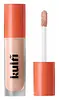
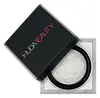
Kulfi Main Match Crease-Proof Long-Wear Hydrating Concealer Versus Huda Beauty Easy Bake Loose Baking & Setting Powder

What's inside
What's inside
 Key Ingredients
Benefits
Concerns
Ingredients Side-by-side
Water
Skin ConditioningEthylhexyl Palmitate
Emollient




Hydrogenated Poly(C6-14 Olefin)
EmollientPolyglyceryl-6 Pentaoleate
Emulsifying
Caprylic/Capric Triglyceride
Masking


Capryloyl Glycerin/Sebacic Acid Copolymer
Skin ConditioningGlycerin
Humectant
Sodium Chloride
MaskingSilica
Abrasive


Calcium Sodium Borosilicate
Ceresin
Emulsion StabilisingTocopherol
Antioxidant





Crocus Sativus Flower Extract
MaskingEmblica Officinalis Fruit Extract
Skin ConditioningGlycyrrhiza Glabra Root Extract
Bleaching
Rosa Canina Fruit Extract
Astringent
Hibiscus Sabdariffa Flower Extract
Skin ConditioningHelianthus Annuus Seed Oil
Emollient
Sesamum Indicum Seed Oil
Emollient
Brassica Campestris Seed Oil
Skin Conditioning
Triethoxycaprylylsilane

Propylene Carbonate
SolventStearalkonium Hectorite
Gel FormingPhenoxyethanol
Preservative
Ethylhexylglycerin
Skin ConditioningPotassium Sorbate
Preservative
Sodium Benzoate
Masking
CI 77891
Cosmetic ColorantIron Oxides
Water, Ethylhexyl Palmitate, Hydrogenated Poly(C6-14 Olefin), Polyglyceryl-6 Pentaoleate, Caprylic/Capric Triglyceride, Capryloyl Glycerin/Sebacic Acid Copolymer, Glycerin, Sodium Chloride, Silica, Calcium Sodium Borosilicate, Ceresin, Tocopherol, Crocus Sativus Flower Extract, Emblica Officinalis Fruit Extract, Glycyrrhiza Glabra Root Extract, Rosa Canina Fruit Extract, Hibiscus Sabdariffa Flower Extract, Helianthus Annuus Seed Oil, Sesamum Indicum Seed Oil, Brassica Campestris Seed Oil, Triethoxycaprylylsilane, Propylene Carbonate, Stearalkonium Hectorite, Phenoxyethanol, Ethylhexylglycerin, Potassium Sorbate, Sodium Benzoate, CI 77891, Iron Oxides
Talc
Abrasive
Synthetic Fluorphlogopite
Silica
Abrasive
Dimethicone
Emollient
Nylon-12

Caprylyl Glycol
Emollient
Pentylene Glycol
Skin Conditioning
Oryza Sativa Starch
AbsorbentPhenyl Trimethicone
Skin Conditioning
Sodium Dehydroacetate
Preservative
Octyldodecyl Stearoyl Stearate
Emollient
Diisostearyl Malate
EmollientParfum
Masking


Tocopheryl Acetate
Antioxidant
Benzyl Salicylate
Perfuming
Sorbitan Sesquioleate
Emulsifying
Hexyl Cinnamal
Perfuming
Linalool
Perfuming
Coumarin
Perfuming
Hydroxycitronellal
Perfuming
Benzyl Benzoate
Antimicrobial
Iron Oxides
CI 77492
Cosmetic ColorantCI 77491
Cosmetic ColorantUltramarines
CI 77007
Cosmetic ColorantCI 19140
Cosmetic ColorantCI 77499
Cosmetic ColorantCI 73360
Cosmetic ColorantTalc, Synthetic Fluorphlogopite, Silica, Dimethicone, Nylon-12, Caprylyl Glycol, Pentylene Glycol, Oryza Sativa Starch, Phenyl Trimethicone, Sodium Dehydroacetate, Octyldodecyl Stearoyl Stearate, Diisostearyl Malate, Parfum, Tocopheryl Acetate, Benzyl Salicylate, Sorbitan Sesquioleate, Hexyl Cinnamal, Linalool, Coumarin, Hydroxycitronellal, Benzyl Benzoate, Iron Oxides, CI 77492, CI 77491, Ultramarines, CI 77007, CI 19140, CI 77499, CI 73360
Reviews
Ingredients Explained
These ingredients are found in both products.
Ingredients higher up in an ingredient list are typically present in a larger amount.
Silica, also known as silicon dioxide, is a naturally occurring mineral. It is used as a fine, spherical, and porous powder in cosmetics.
Though it has exfoliant properties, the function of silica varies depending on the product.
The unique structure of silica enhances the spreadability and adds smoothness, making it a great texture enhancer.
It is also used as an active carrier, emulsifier, and mattifier due to its ability to absorb excess oil.
In some products, tiny microneedles called spicules are made from silica or hydrolyzed sponge. When you rub them in, they lightly polish away dead skin layers and enhance the penetration of active ingredients.
Learn more about SilicaThis ingredient is a combination of red, black, and yellow iron oxide pigments. This combination of colors is usually found in foundation, because it results in a "skin" color.
The EU typically uses CI numbers for colorants when applicable, such as CI 77489. In the US, iron oxides are regulated as color additives and "iron oxides" is the most commonly used name in US cosmetic practice.
A 2021 paper looked at skincare formulations containing iron oxides and found that they reduced transmission of blue light when measured optically. In simple terms, the pigment particles helped block or scatter part of the visible light spectrum in lab testing and the authors suggest this could translate into better protection against blue-light-related skin effects.
There is also clinical and experimental research showing that tinted products containing iron oxides can reduce visible light-induced pigmentation:
Please note, whether a product reduces visible or blue light depends on things like:
In the EU's CosIng database, iron oxides are only listed as a colorant. CosIng groups ingredients by their main cosmetic role, such as colorant, preservative, or UV filter.
Though studies say iron oxides can "attenuate blue light", they're describing an optical property and not an officially recognized cosmetic function.
So CosIng isn’t contradicting the research. It’s just classifying iron oxides by what they officially are: pigments that add color.
Learn more about Iron Oxides

