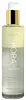
This oil-based makeup remover is made to dissolve makeup, sunscreen, and daily buildup.
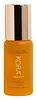
This anti-aging eye moisturizer is formulated around Rosa Canina Fruit Oil and Morinda Citrifolia Fruit Extract to soften the look of wrinkles and hydrate skin.

What's inside
What's inside
 Key Ingredients
Benefits
Concerns
Ingredients Side-by-side
Aloe Barbadensis Leaf Juice
Skin Conditioning


Helianthus Annuus Seed Oil
Emollient


Water
Skin ConditioningSorbitan Oleate Decylglucoside Crosspolymer
CleansingOlive Oil Polyglyceryl-6 Esters
Emollient
Orbignya Oleifera Seed Oil
Emollient
Polyglyceryl-6 Pentaoleate
Emulsifying
Glycerin
Humectant

Pyrus Malus Seed Oil
Emollient
Potassium Sorbate
Preservative
Sodium Levulinate
Skin ConditioningLactic Acid
Buffering








Sodium Chloride
MaskingSaccharide Isomerate
Humectant
Pelargonium Graveolens Flower Oil
Masking


Tremella Fuciformis Sporocarp Extract
Antioxidant
Sodium Phytate
ChelatingRosa Centifolia Flower Oil
Masking
Macadamia Ternifolia Seed Oil
Emollient
Olea Europaea Fruit Oil
Masking
Rosa Canina Fruit Oil
Emollient
Simmondsia Chinensis Seed Oil
Emollient
Ocimum Basilicum Oil
Masking
Citric Acid
Buffering
Sodium Citrate
BufferingCalendula Officinalis Flower Extract
Masking
Alcohol
Antimicrobial

Morinda Citrifolia Fruit Extract
Skin Conditioning
Citronellol
Perfuming
Geraniol
Perfuming
Aloe Barbadensis Leaf Juice, Helianthus Annuus Seed Oil, Water, Sorbitan Oleate Decylglucoside Crosspolymer, Olive Oil Polyglyceryl-6 Esters, Orbignya Oleifera Seed Oil, Polyglyceryl-6 Pentaoleate, Glycerin, Pyrus Malus Seed Oil, Potassium Sorbate, Sodium Levulinate, Lactic Acid, Sodium Chloride, Saccharide Isomerate, Pelargonium Graveolens Flower Oil, Tremella Fuciformis Sporocarp Extract, Sodium Phytate, Rosa Centifolia Flower Oil, Macadamia Ternifolia Seed Oil, Olea Europaea Fruit Oil, Rosa Canina Fruit Oil, Simmondsia Chinensis Seed Oil, Ocimum Basilicum Oil, Citric Acid, Sodium Citrate, Calendula Officinalis Flower Extract, Alcohol, Morinda Citrifolia Fruit Extract, Citronellol, Geraniol
Rosa Canina Fruit Oil
Emollient
Helianthus Annuus Seed Oil
Emollient
Macadamia Ternifolia Seed Oil
Emollient
Persea Gratissima Oil
Skin Conditioning
Simmondsia Chinensis Seed Oil
Emollient
Caryodendron Orinocense Seed Oil
Emollient
Hippophae Rhamnoides Oil
Emollient
Caprylic/Capric Triglyceride
Masking
Morinda Citrifolia Fruit Extract
Skin Conditioning
Solanum Lycopersicum Fruit Extract
Antioxidant
Himanthalia Elongata Extract
Skin Protecting
Calendula Officinalis Flower Extract
Masking
Coffea Arabica Seed Extract
Masking
Squalane
Emollient
Dicaprylyl Carbonate
EmollientTocopherol
Antioxidant
Squalene
Emollient
Beta-Sitosterol
Emulsion Stabilising
Quartz
Abrasive
Rosa Canina Fruit Oil, Helianthus Annuus Seed Oil, Macadamia Ternifolia Seed Oil, Persea Gratissima Oil, Simmondsia Chinensis Seed Oil, Caryodendron Orinocense Seed Oil, Hippophae Rhamnoides Oil, Caprylic/Capric Triglyceride, Morinda Citrifolia Fruit Extract, Solanum Lycopersicum Fruit Extract, Himanthalia Elongata Extract, Calendula Officinalis Flower Extract, Coffea Arabica Seed Extract, Squalane, Dicaprylyl Carbonate, Tocopherol, Squalene, Beta-Sitosterol, Quartz
Ingredients Explained
These ingredients are found in both products.
Ingredients higher up in an ingredient list are typically present in a larger amount.
Calendula Officinalis Flower Extract comes from the marigold flower and has been used on skin for centuries for its calming effect.
In the lab, its active compounds appear to calm inflammation and support the early "healing" phase of minor wounds.
This is why Europe's medicines regulator has approved calendula extracts as a traditional remedy for minor skin inflammation and healing small wounds.
The stronger human evidence is around would/ulcer care rather than everyday cosmetic claims; a review that pulled together 14 studies found that calendula helped calm the early, inflamed stage of a wound and helped new skin tissue form faster.
Two studies also showed it shrank leg ulcers (the kind caused by poor circulation). Results were mixed for burns and for the skin irritation people get from radiation treatment, so it's not a sure thing there.
In cosmetics, it's mostly a skin conditioning and soothing agent.
The Cosmetic Ingredient Review panel concluded that calendula-derived ingredients are safe as used and that the ingredients are not irritating, sensitizing, or photosensitizing in clinical tests (though they may be mild eye irritants).
Typical use levels are quite low; industry data reported it used at under 0.5% (one supplier noted a 10-25% extract blend used at 1-10% in the finished product). Historical use goes up to 10%.
The only thing to keep in mind is if you have daisy/ragweed allergies. Calendula is in the same family and one patch-test study found 2% of dermatitis patients reacted to marigold. Be sure to patch test if you have sensitive or allergy-prone skin.
Learn more about Calendula Officinalis Flower ExtractHelianthus Annuus Seed Oil is a plant oil derived from the seeds of a sunflower.
It is rich in fatty acids, primarily linoleic acid and oleic acid. This gives it emollient and skin conditioning properties.
The reason this ingredient is so effective is because it forms a thin film on the skin that reduces transepidermal water loss (TEWL) while supplying linoleic acid to the stratum corneum to improve barrier strength.
The high linoleic acid content is particularly noteworthy for acne-prone skin.
Research suggests that acne-prone skin tends to be deficient in linoleic acid in sebum. Topical application may help replenish this to support a healthier follicular environment and less comedone-promoting sebum.
One randomized study found sunflower seed oil preserved skin barrier integrity in adult volunteers with and without atopic dermatitis (outperforming olive oil).
This ingredient is well-studied, gentle, and an effective emollient suitable for most skin types.
On fungal acne: This ingredient may not be Fungal acne (Malassezia folliculitis) safe. This is because it contains fatty acids with carbon chain lengths in the C11-C24 range.
Learn more about Helianthus Annuus Seed OilThis ingredient is also known as Macadamia Seed Oil. It's an emollient with a fatty acid profile that closely mirrors the skin's own lipid makeup.
The palmitoleic acid content is especially notable as it's somewhat rare in plant oils. Palmitoleic acid is something your skin already makes naturally. It helps keep cell membranes structured and plays a role in fighting off harmful microbes.
This palmitoleic content is also part of why macademia seed oil absorbs quickly and doesn't leave much of a greasy residue.
It also contains oleic acid, linoleic acid, and phytosterols that can help reduce redness.
In vitro research has shown the oil to have meaningful antioxidant activity, protect fats in the skin from oxidative damage, and slow down the enzyme that breaks down hyaluronic acid.
A 2024 clinical study found it effective at improving skin hydratino and reducing wrinkle appearance when formulated into nanoemulsions.
Because it carries oleic acid (C18) and palmitic acid (C16), this ingredient may not be fungal acne safe. This is because the Malassezia yeast metabolizes in the C11-24 chain length range.
You'll also see this ingredient listed as: Macadamia Integrifolia Seed Oil .
These two oils are identical in composition and M. ternifolia is an older INCI naming convention for the edible macadamia nut while M. integrifolia is the species actually cultivated for oil production. Both names refer to the same oil.
Learn more about Macadamia Ternifolia Seed OilMorinda Citrifolia Fruit Extract is also known as yaeyama aoki, noni, or the great morinda. This fruit is packed with bioactive compounds that give it skin conditioning and antioxidant properties.
Research on this ingredient has shown some interesting results: a clinical trial on 49 women (ages 38-55) found the daily use of noni-based skincare improved skin firmness and elasticity by up to ~42.4% over six weeks.
Lab studies have also demonstrated that some of the compounds can inhibit tyrosinase ans elastase, enzymes involved in pigmentation and the breaking down of skin's elastic fibers.
Fun fact: This ingredient has been used in Polynesian folk medicine for over 2,000 years.
Learn more about Morinda Citrifolia Fruit ExtractRosa Canina Fruit Oil is a non-fragrant plant oil that has earned its skincare reputation through chemistry.
It's dominated by fatty acids like linoleic acid (~35-55%), alpha-linolenic acid (~17-27%), and oleic acid (~14-22%). This is the exact profile that supports skin barrier, locks in hydration, and calms inflammation.
A 2024 review found evidence for the Rosa canina species supports its use for scarring, hyperpigmentation, wrinkles, and atopic dermatitis; this was mostly credited to its vitamin C content and fatty acid composition as the primary active mechanisms.
You might see this ingredient marketed as a "natural retinol". Some rosehip seed oils contains traces of all-trans-retinoic acid but these trace amounts are far below biologically active levels.
The Cosmetic Ingredient Review Panel has deemed this ingredient safe and it's well-tolerated.
Fungal acne: The fatty acids of this oil fall into the C11-24 range that Malassezia yeast can metabolize, so this ingredient may not be fungal acne safe.
Learn more about Rosa Canina Fruit OilJojoba oil is one of the most well-studied plant-derived ingredients in cosmetics. It is an emollient with a special structure.
Because it is made up of 97-98% wax esters, it closely mirrors the linear monoesters found in human sebum. This makes it skin compatible, non-greasy, and lightweight.
Unlike other plant oils, jojoba wax doesn't easily penetrate skin. It mostly works in the uppermost layers as an emollient. This just means it forms a light barrier on the skin to help retain moisture.
Formulations with jojoba esters up to 90% reduced transepidermal water loss (TEWL) and increased barrier recovery by 81% (outperforming bisabolol at 47%).
Besides barrier support, the science also suggests jojoba to have anti-inflammatory effects and potential applications for skin infections, aging, and wound healing.
Fun fact: Indigenous cultures have used jojoba as a moisturizer and to help treat burns for centuries.
Fungal acne: The Malassezia yeast is known to metabolize fatty acids in the C11-24 range and jojoba's dominant fatty acid components fall into this range. This ingredient may not be fungal acne safe.
Learn more about Simmondsia Chinensis Seed Oil

