Kimtrue 3rd-Generation Makeup Meltaway Cleansing Balm Versus Beauty of Joseon Radiance Cleansing Balm
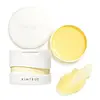
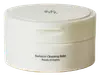
This oil-based makeup remover is made to dissolve makeup, sunscreen, and daily buildup.
This oil-based makeup remover is made to dissolve makeup, sunscreen, and daily buildup.


What's inside
What's inside
 Key Ingredients
Benefits
Concerns
Ingredients Side-by-side
Methyl Stearic Acid
Skin ConditioningCetyl Ethylhexanoate
EmollientC13-16 Isoparaffin
Solvent
Sorbitan Sesquioleate
Emulsifying

Caprylic/Capric Triglyceride
Masking


Polysorbate 85
Emulsifying
Synthetic Wax
Abrasive
C15-19 Alkane
SolventPEG-3 Glyceryl Isostearate
Emollient
PEG-7 Glyceryl Cocoate
Emulsifying

Polyglyceryl-2 Isostearate
Emulsifying
Polyglyceryl-5 Oleate
Emulsifying
Citrus Tangerina Peel Oil
Masking

Mauritia Flexuosa Fruit Oil
Skin Conditioning
Moringa Oleifera Seed Oil
Emollient
Bitter Cherry Seed Oil PEG-8 Esters
Emollient
Water
Skin ConditioningGlycerin
Humectant
Propanediol
Solvent
Diisopropyl Adipate
EmollientTocopherol
Antioxidant





Glyceryl Glucoside
Humectant
Lecithin
Emollient
Acrylates/Methacrylamide Copolymer
Oryza Sativa Bran Oil
Emollient
Dimethylmethoxy Chromanol
Antioxidant
Glyceryl Caprylate
EmollientPentylene Glycol
Skin Conditioning
Xanthan Gum
EmulsifyingPortulaca Oleracea Extract
Skin Conditioning
Methyl Stearic Acid, Cetyl Ethylhexanoate, C13-16 Isoparaffin, Sorbitan Sesquioleate, Caprylic/Capric Triglyceride, Polysorbate 85, Synthetic Wax, C15-19 Alkane, PEG-3 Glyceryl Isostearate, PEG-7 Glyceryl Cocoate, Polyglyceryl-2 Isostearate, Polyglyceryl-5 Oleate, Citrus Tangerina Peel Oil, Mauritia Flexuosa Fruit Oil, Moringa Oleifera Seed Oil, Bitter Cherry Seed Oil PEG-8 Esters, Water, Glycerin, Propanediol, Diisopropyl Adipate, Tocopherol, Glyceryl Glucoside, Lecithin, Acrylates/Methacrylamide Copolymer, Oryza Sativa Bran Oil, Dimethylmethoxy Chromanol, Glyceryl Caprylate, Pentylene Glycol, Xanthan Gum, Portulaca Oleracea Extract
Cetyl Ethylhexanoate
EmollientCaprylic/Capric Triglyceride
Masking
PEG-20 Glyceryl Triisostearate
Emollient
Synthetic Wax
Abrasive
PEG-10 Isostearate
Emulsifying
Sorbitan Sesquioleate
Emulsifying
Hippophae Rhamnoides Oil
Emollient
Oryza Sativa Bran Oil
Emollient
Water
Skin ConditioningOryza Sativa Seed Water
Antimicrobial
Glycerin
Humectant
Propanediol
Solvent
1,2-Hexanediol
Skin Conditioning
Lactobacillus/Soybean Ferment Extract
Skin ConditioningButylene Glycol
Humectant
Coix Lacryma-Jobi Ma-Yuen Seed Extract
Skin ConditioningOryza Sativa Extract
Absorbent
Avena Sativa Meal Extract
SoothingEthylhexylglycerin
Skin ConditioningCaprylyl Glycol
Emollient
Cetyl Ethylhexanoate, Caprylic/Capric Triglyceride, PEG-20 Glyceryl Triisostearate, Synthetic Wax, PEG-10 Isostearate, Sorbitan Sesquioleate, Hippophae Rhamnoides Oil, Oryza Sativa Bran Oil, Water, Oryza Sativa Seed Water, Glycerin, Propanediol, 1,2-Hexanediol, Lactobacillus/Soybean Ferment Extract, Butylene Glycol, Coix Lacryma-Jobi Ma-Yuen Seed Extract, Oryza Sativa Extract, Avena Sativa Meal Extract, Ethylhexylglycerin, Caprylyl Glycol
Reviews
Ingredients Explained
These ingredients are found in both products.
Ingredients higher up in an ingredient list are typically present in a larger amount.
Caprylic/Capric Triglyceride (aka MCT Oil) is a lightweight emollient, solvent, and texture enhancer. It is considered a skin-softener by helping to prevent moisture loss.
Though it behaves like an oil, it is not technically one due to its chemical composition. One perk of this ingredient is that it is very stable, resistant to oxidation, and unlikely to go rancid.
In practice, that translates to a long shelf life and a consistently elegant skin feel.
While there is an assumption Caprylic Triglyceride can clog pores due to it being derived from coconut oil, there is no research supporting this. Just patch test if you have concerns.
Fractionated coconut oil and MCT Oil are both listed as Caprylic/Capric Triglyceride according to INCI. This is because INCI names are based on the ingredient’s final chemical composition and not its marketing name or source.
This ingredient is treated as the gold standard fungal acne safe oil. Even though it is coconut derived, the problematic lauric acid is stripped out.
This leaves just caprylic (C8) and capric (C10) acid. These chain lengths actually trend antifungal; a 2020 study found caprylic acid was enough to disrupt Malassezia furfur cell membrane, with a caprylic acid derivative damaging membrane structures at concentrations as low as 0.2%.
Learn more about Caprylic/Capric TriglycerideCetyl Ethylhexanoate is an emollient ester. It comes from cetearyl alcohol and 2-ethylhexanoic acid.
Cetyl Ethylhexanoate is an emollient that adds a velvety feel to skin without being greasy or oily. Emollients help trap moisture into your skin, keeping your skin soft and hydrated.
Glycerin (or glycerol) is a compound naturally found in your skin. It's a powerhouse humectant that pulls water into the stratum corneum.
Topically, glycerin does several things at once:
Your skin makes glycerin on its own (mostly from sebaceous oil breakdown) and shuttles it to your outermost layer of skin, or your epidermis, via aquaporin-3.
Aquaporin-3 is a transporter that is essential for normal skin hydration, elasticity, and repair. Interestingly, mice lacking in AQP3 have dry and less elastic skin that can be fully corrected with glycerin.
This ingredient is non-irritating, plays well with almost every ingredient, and works across all skin types. Typical use is anywhere between 3-10% but can go up to 79% in some leave-on products.
Just know very high concentrations (>40%) can feel tacky in low humidity.
Glycerin is the name for this ingredient in American English. British English uses Glycerol/Glycerine.
Learn more about GlycerinThis oil comes from the outer layer (bran) of rice grains. It is packed with skin-friendly fatty acids to soften and condition the skin while supporting your moisture barrier.
What makes it stand out from other plant oils is its naturally high concentration of gamma-oryzanol, a potent antioxidant. This antioxidant has shown some UV-absorptive properties in research.
Other antioxidants found in this oil include tocopherols, tocotrienols, and ferulic acid.
According to manufacturers, this oil has a lightweight texture that absorbs nicely.
The CIR (Cosmetic Ingredient Review) has concluded this ingredient to be safe as used in cosmetics and it has not shown to be a skin sensitizer in testing (unless you have a known rice allergy).
Due to the fatty acids (primarily Oleic Acid ~40%, Linoleic Acid ~30%, and some Palmitic Acid), this ingredient may not be fungal acne safe.
Learn more about Oryza Sativa Bran OilPropanediol is an all-star ingredient. It softens, hydrates, and smooths the skin.
It’s often used to:
Propanediol is not likely to cause sensitivity and considered safe to use. It is derived from corn or petroleum with a clear color and no scent.
Learn more about PropanediolSorbitan Sesquioleate is derived from sorbitol and oleic acid. It is an emulsifier and prevents ingredients from separating.
Specifically, this ingredient is a water-in-oil emulsifier, meaning it helps water dissolve into oil.
Some studies suggest this ingredient may cause irritation in some people. If you are unsure, it is best to patch test.
This ingredient may not be Malassezia folliculitis, or fungal-acne safe due to the oleic acid. In vitro studies have shown that Oleic Acid is one of the fatty acids that induce rapid Malassezia growth in lab settings.
Learn more about Sorbitan SesquioleateSynthetic Wax is a manufactured hydrocarbon wax. In formulas, it works as an occlusive emollient that helps reduce water loss and improves the spreadability of products.
Research comparing synthetic wax to traditional mineral-derived products found that formulas containing it perform as well for skin hydration.
It is considered non-comedogenic and vegan-friendly.
This ingredient has a well-established safety record by the CIR Expert Panel for Cosmetic Ingredient Safety.
Synthetic Waxes are straight/branched-chain hydrocarbons with no ester bond or fatty acids. That means there is nothing for the Malassezia yeast to feed on.
Learn more about Synthetic WaxWater. It's the most common cosmetic ingredient of all. You'll usually see it at the top of ingredient lists, meaning that it makes up the largest part of the product.
So why is it so popular? Water most often acts as a solvent - this means that it helps dissolve other ingredients into the formulation.
You'll also recognize water as that liquid we all need to stay alive. If you see this, drink a glass of water. Remember to stay hydrated!
Learn more about Water

