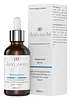
This calming serum is formulated around Niacinamide and Azelaic Acid to calm redness and fade the look of dark spots.
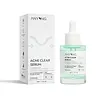
This acne serum is formulated around Centella Asiatica Leaf Extract and Azelaic Acid to clear breakouts and calm redness.

What's inside
What's inside
 Key Ingredients
Benefits
Concerns
Ingredients Side-by-side
Water
Skin ConditioningNiacinamide
Smoothing











Panthenol
Skin Conditioning
Polyglycerin-6
HumectantPentylene Glycol
Skin Conditioning
Azelaic Acid
Buffering
Hamamelis Virginiana Leaf Water
Astringent
Glycyrrhiza Glabra Root Extract
Bleaching
Camellia Sinensis Leaf Extract
Antimicrobial
Allantoin
Skin Conditioning
Propylene Glycol
Humectant

Glycerin
Humectant
Phenoxyethanol
Preservative
Hydroxyethylcellulose
Emulsion StabilisingLactic Acid
Buffering
Glycine
Buffering
Benzoic Acid
Masking
Dehydroacetic Acid
Preservative
Ethylhexylglycerin
Skin ConditioningTetrasodium Glutamate Diacetate
Tetrasodium EDTA
Water, Niacinamide, Panthenol, Polyglycerin-6, Pentylene Glycol, Azelaic Acid, Hamamelis Virginiana Leaf Water, Glycyrrhiza Glabra Root Extract, Camellia Sinensis Leaf Extract, Allantoin, Propylene Glycol, Glycerin, Phenoxyethanol, Hydroxyethylcellulose, Lactic Acid, Glycine, Benzoic Acid, Dehydroacetic Acid, Ethylhexylglycerin, Tetrasodium Glutamate Diacetate, Tetrasodium EDTA
Water
Skin ConditioningCentella Asiatica Leaf Extract
Skin Conditioning
Bacillus
Skin ConditioningAzelaic Acid
Buffering
Propylene Glycol
Humectant
Aloe Barbadensis Leaf Juice
Skin Conditioning
Sodium Hyaluronate
Humectant
Pentylene Glycol
Skin Conditioning
Salix Alba Bark Extract
Astringent
Panthenol
Skin Conditioning
Madecassic Acid
Skin Conditioning
Asiaticoside
Antioxidant
Asiatic Acid
Skin Conditioning
Inulin
Skin Conditioning
Fructose
Humectant
Hydroxyethylcellulose
Emulsion Stabilising1,2-Hexanediol
Skin Conditioning
Caprylyl Glycol
Emollient
Sorbitol
Humectant
Spirulina Platensis Extract
Skin ProtectingPotassium Sorbate
Preservative
Ethylhexylglycerin
Skin ConditioningWater, Centella Asiatica Leaf Extract, Bacillus, Azelaic Acid, Propylene Glycol, Aloe Barbadensis Leaf Juice, Sodium Hyaluronate, Pentylene Glycol, Salix Alba Bark Extract, Panthenol, Madecassic Acid, Asiaticoside, Asiatic Acid, Inulin, Fructose, Hydroxyethylcellulose, 1,2-Hexanediol, Caprylyl Glycol, Sorbitol, Spirulina Platensis Extract, Potassium Sorbate, Ethylhexylglycerin
Reviews
Ingredients Explained
These ingredients are found in both products.
Ingredients higher up in an ingredient list are typically present in a larger amount.
Azelaic acid is a multitasker ingredient that helps treat acne, pigmentation, and irritation. It is a great option for sensitive skin.
What makes it special?
OTC Azelaic acid is usually available in concentrations from 10-15% and anything over requires a prescription.
Here's what each tier does best:
Unlike other acids, azelaic acid will not make your skin more photosensitive/sun sensitive.
Though this ingredient is naturally occurring in grains like wheat, rye, and barley, it is usually synthetically created for cosmetics to ensure stability and effectiveness.
Learn more about Azelaic AcidEthylhexylglycerin is created from glycerin. It is a multitasker ingredient that:
The CIR Expert Panel found minimal skin absorption or sensitization of any kind in a safety assessment. Though this ingredient is considered well-tolerated, a small number of cases of allergic dermatitis have been published since 2002. Just be sure to patch test if you are unsure.
Industry-reported use ranges from 8% in rinse-off products and 2% in leave-on formulations.
Learn more about EthylhexylglycerinHydroxyethylcellulose is used to improve the texture of products. It is created from a chemical reaction involving ethylene oxide and alkali-cellulose. Cellulose is a sugar found in plant cell walls and help give plants structure.
This ingredient helps stabilize products by preventing ingredients from separating. It can also help thicken the texture of a product.
This ingredient can also be found in pill medicines to help our bodies digest other ingredients.
Learn more about HydroxyethylcellulosePanthenol is a common ingredient that helps hydrate and soothe the skin. It is found naturally in our skin and hair.
There are two forms of panthenol: D and L.
D-panthenol is also known as dexpanthenol. Most cosmetics use dexpanthenol or a mixture of D and L-panthenol.
Panthenol is famous due to its ability to go deeper into the skin's layers. Using this ingredient has numerous pros (and no cons):
Like hyaluronic acid, panthenol is a humectant. Humectants are able to bind and hold large amounts of water to keep skin hydrated.
This ingredient works well for wound healing. It works by increasing tissue in the wound and helps close open wounds.
Once oxidized, panthenol converts to pantothenic acid. Panthothenic acid is found in all living cells.
This ingredient is also referred to as pro-vitamin B5.
Learn more about PanthenolPentylene Glycol (1,2-pentanediol) is a multitasking little diol with three main roles in a formula:
Research on alkanediols (the family pentylene glycol belongs to) show they work by disrupting microbial cell membranes. This disruption helps the primary preservative system in a product work more effectively at lower doses.
On the safety side, the Cosmetic Ingredient Review Expert Panel has concluded this ingredient to be safe as used in current cosmetic practices + concentrations.
Typical use levels in a formula run about 1-5%.
Learn more about Pentylene GlycolPropylene Glycol is a synthetic, colorless, odorless liquid that has been a staple in cosmetics for decades. It is a skin conditioning agent, humectant, and solvent.
As a humectant, it draw water to the skin to reduce flaking and restore suppleness. It's also a solvent that helps dissolve other actives and keeps formulas stable across temperature changes.
The CIR Expert Panel has confirmed this ingredient to be nontoxic and clinical studies show no sensitization at cosmetic use concentrations.
True allergic reactions are quite rare: a 15-year retrospective study of 6,751 patients found only 0.31% had a positive reaction (and less than half were considered clinically relevant).
It seemed that when sensitization does occur, it's most commonly linked to topical medication (like corticosteroids) and not cosmetics. Allergic contact dermatitis also appears largely limited to individuals with underlying skin conditions.
Overall, propylene glycol is a well-studied ingredient that most people can tolerate without issue.
Learn more about Propylene GlycolWater. It's the most common cosmetic ingredient of all. You'll usually see it at the top of ingredient lists, meaning that it makes up the largest part of the product.
So why is it so popular? Water most often acts as a solvent - this means that it helps dissolve other ingredients into the formulation.
You'll also recognize water as that liquid we all need to stay alive. If you see this, drink a glass of water. Remember to stay hydrated!
Learn more about Water

