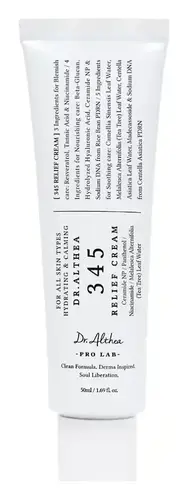
This moisturizer is formulated around Stearic Acid to hydrate skin.


What's inside
What's inside
 Key Ingredients
Benefits
Concerns
Ingredients Side-by-side
Water
Skin ConditioningGlycerin
Humectant


Cetearyl Alcohol
Emollient






Petrolatum
Emollient

Stearic Acid
Cleansing
C12-15 Alkyl Benzoate
AntimicrobialAluminum Starch Octenylsuccinate
Absorbent
Dimethicone
Emollient
Laureth-3
EmulsifyingCeteareth-20
Cleansing
Methylparaben
Preservative


Allantoin
Skin Conditioning

Phenoxyethanol
Preservative
Arginine
Masking
Sodium Hydroxide
BufferingEthylparaben
Preservative
Carbomer
Emulsion StabilisingPanthenol
Skin Conditioning
Lecithin
Emollient
Pentylene Glycol
Skin Conditioning
Alcohol
Antimicrobial

Ascorbyl Palmitate
Antioxidant


Tocopherol
Antioxidant


Argania Spinosa Kernel Oil
Emollient
Water, Glycerin, Cetearyl Alcohol, Petrolatum, Stearic Acid, C12-15 Alkyl Benzoate, Aluminum Starch Octenylsuccinate, Dimethicone, Laureth-3, Ceteareth-20, Methylparaben, Allantoin, Phenoxyethanol, Arginine, Sodium Hydroxide, Ethylparaben, Carbomer, Panthenol, Lecithin, Pentylene Glycol, Alcohol, Ascorbyl Palmitate, Tocopherol, Argania Spinosa Kernel Oil
Water
Skin ConditioningParaffinum Liquidum
Emollient
Isopropyl Myristate
Emollient
Stearic Acid
Cleansing
Decyl Oleate
Emollient
Glyceryl Stearate Se
Emulsifying
Cetearyl Alcohol
Emollient
Tocopheryl Acetate
Antioxidant
Triethanolamine
BufferingBHT
Antioxidant
Disodium EDTA
Methylparaben
Preservative
Imidazolidinyl Urea
Preservative
Propylparaben
Preservative
Parfum
Masking

Benzyl Salicylate
Perfuming
Butylphenyl Methylpropional
Perfuming
Hydroxycitronellal
Perfuming
Linalool
Perfuming
Water, Paraffinum Liquidum, Isopropyl Myristate, Stearic Acid, Decyl Oleate, Glyceryl Stearate Se, Cetearyl Alcohol, Tocopheryl Acetate, Triethanolamine, BHT, Disodium EDTA, Methylparaben, Imidazolidinyl Urea, Propylparaben, Parfum, Benzyl Salicylate, Butylphenyl Methylpropional, Hydroxycitronellal, Linalool
Ingredients Explained
These ingredients are found in both products.
Ingredients higher up in an ingredient list are typically present in a larger amount.
Cetearyl alcohol is a waxy mixture of two fatty alcohols: cetyl alcohol and stearyl alcohol. It is an emollient and emulsifier.
Despite having "alcohol" in its name, it has nothing to do with drying solvent alcohols; the FDA also allows "alcohol-free" products to contain fatty alcohols like this ingredient.
It plays several roles in a formula:
Typical use levels for this ingredient sit around 1-10% and the Cosmetic Ingredient Review Expert Panel has affirmed safety at concentrations up to 25% in leave-on products.
Multiple assessments have found it to be non-irritating and non-sensitizing to most people.
However, there have been some cases of allergic contact dermatitis in patients with chronically compromised skin barriers.
Cetearyl alcohol has a comedogenic rating of 2 and irritancy rating of 1. Both of these numbers come from the 1989 study that used rabbit ears; a "2" means mildly comedogenic and a "1" means low irritancy.
Here's the catch: rabbit skin is more sensitive than human skin and throws a lot of false positives. A 1996 reappraisal found that ingredients rated 1-2 in the rabbit ear tests are generally safe for humans.
Remember comedogenic ratings are unable to assess the entire formula of a product or how it will react on your skin. Just be sure to patch test if you are unsure about certain ingredients.
This ingredient is not fungal acne safe. Cetearyl alcohol is a fatty alcohol with chain lengths that fall within the range that Malassezia can metabolize.
A 2019 study has also observed Malassezia growth in the presence of this ingredient, confirming it to be not-fungal acne safe.
Learn more about Cetearyl AlcoholMethylparaben is a synthetic preservative and one of the most widely used in the world. It has a simple, but important job: prevent your products from going bad by stopping bacteria, yeast, and mold from growing.
Typical use levels are low, often 0.1-0.3%.
This is also one of the most heavily studied preservatives out there and major regulatory bodies have repeatedly given it the green light.
In 2023, the EU's Scientific Committee on Consumer Safety (SCCS) confirmed that this ingredient is safe up to 0.4% on its own, of up to 0.8% when mixed with other paraben esters.
Here's the science behind the noise behind parabens/hormones as well:
Methylparaben shows very weak estrogen-like activity in vitro tests (more than 1,000x weaker than your body's own estradiol). In vivo (live-organism) studies don't support a meaningful endocrine-disrupting effect either.
You get a stronger estrogenic effect from eating tofu, actually.
It's also a low sensitizer and allergic reactions are uncommon; they usually happen on damage or broken skin.
There is a caveat: France has proposed to formally re-examine its endocrine classification in 2025 so the regulatory conversation isn't fully closed as of yet.
But as it stands today, this ingredient is considered safe at permitted levels.
Learn more about MethylparabenStearic Acid is a fatty acid that is already found in your skin. It's one of the free fatty acids that works alongside ceramides and cholesterols to maintain your barrier.
In cosmetics, it is a multitasker:
Safety-wise, the CIR Expert Panel has concluded it to be safe in cosmetics when formulated to be non-irritating and non-sensitizing.
Free stearic acid is a C18 fatty acid that the Malassezia yeast can substrate, so this ingredient may not be fungal acne safe.
Learn more about Stearic AcidWater. It's the most common cosmetic ingredient of all. You'll usually see it at the top of ingredient lists, meaning that it makes up the largest part of the product.
So why is it so popular? Water most often acts as a solvent - this means that it helps dissolve other ingredients into the formulation.
You'll also recognize water as that liquid we all need to stay alive. If you see this, drink a glass of water. Remember to stay hydrated!
Learn more about Water