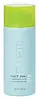
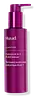
Item Beauty Fast Pass Clean Gentle Gel Cleanser with AHA Versus Murad Prebiotic 4-in-1 MultiCleanser
This glycolic acid gel cleanser is formulated around Glycolic Acid to exfoliate and smooth skin.
This mild gel cleanser is made to cleanse without leaving your skin tight or dry.

What's inside
What's inside
 Key Ingredients
Benefits
Concerns
Ingredients Side-by-side
Water
Skin ConditioningPropanediol
Solvent

Disodium Cocoyl Glutamate
Cleansing
Glycerin
Humectant
Betaine
Humectant
Hydroxyethylcellulose
Emulsion StabilisingTocopherol
Antioxidant





Aloe Barbadensis Leaf Juice
Skin Conditioning
Rosa Centifolia Flower Extract
Astringent
Citrus Aurantium Dulcis Fruit Extract
MaskingCitrus Limon Fruit Extract
Masking
Acer Saccharum Extract
Skin ConditioningSaccharum Officinarum Extract
MoisturisingVaccinium Myrtillus Fruit Extract
Skin ConditioningSodium Hyaluronate
Humectant
Simmondsia Chinensis Seed Oil
Emollient


Glycolic Acid
Buffering





Xylitol
Humectant
Anhydroxylitol
Humectant
Xylitylglucoside
Humectant
Alcohol
Antimicrobial


Sodium Phytate
ChelatingPhenoxyethanol
Preservative
Ethylhexylglycerin
Skin ConditioningPotassium Sorbate
Preservative
Sodium Benzoate
Masking
Citric Acid
Buffering
Water, Propanediol, Disodium Cocoyl Glutamate, Glycerin, Betaine, Hydroxyethylcellulose, Tocopherol, Aloe Barbadensis Leaf Juice, Rosa Centifolia Flower Extract, Citrus Aurantium Dulcis Fruit Extract, Citrus Limon Fruit Extract, Acer Saccharum Extract, Saccharum Officinarum Extract, Vaccinium Myrtillus Fruit Extract, Sodium Hyaluronate, Simmondsia Chinensis Seed Oil, Glycolic Acid, Xylitol, Anhydroxylitol, Xylitylglucoside, Alcohol, Sodium Phytate, Phenoxyethanol, Ethylhexylglycerin, Potassium Sorbate, Sodium Benzoate, Citric Acid
Water
Skin ConditioningGlycerin
Humectant
Decyl Glucoside
Cleansing
C13-16 Isoparaffin
Solvent
Hexylene Glycol
EmulsifyingPropanediol
Solvent
Hydroxyethyl Acrylate/Sodium Acryloyldimethyl Taurate Copolymer
Emulsion StabilisingLactobacillus
Skin ConditioningAlpha-Glucan Oligosaccharide
Cleansing
Polymnia Sonchifolia Root Juice
Skin ConditioningXylitol
Humectant
Xylitylglucoside
Humectant
Anhydroxylitol
Humectant
Sodium Hyaluronate
Humectant
Sodium Surfactin
CleansingSqualane
Emollient
Urea
Buffering
Yeast Amino Acids
HumectantTrehalose
Humectant
Inositol
Humectant
Taurine
BufferingBetaine
Humectant
Isohexadecane
EmollientCaprylhydroxamic Acid
ChelatingMaltodextrin
Absorbent
1,2-Hexanediol
Skin Conditioning
Polysorbate 80
Emulsifying
Acrylamide/Sodium Acryloyldimethyltaurate Copolymer
Emulsion StabilisingCitric Acid
Buffering
Disodium EDTA
ChelatingWater, Glycerin, Decyl Glucoside, C13-16 Isoparaffin, Hexylene Glycol, Propanediol, Hydroxyethyl Acrylate/Sodium Acryloyldimethyl Taurate Copolymer, Lactobacillus, Alpha-Glucan Oligosaccharide, Polymnia Sonchifolia Root Juice, Xylitol, Xylitylglucoside, Anhydroxylitol, Sodium Hyaluronate, Sodium Surfactin, Squalane, Urea, Yeast Amino Acids, Trehalose, Inositol, Taurine, Betaine, Isohexadecane, Caprylhydroxamic Acid, Maltodextrin, 1,2-Hexanediol, Polysorbate 80, Acrylamide/Sodium Acryloyldimethyltaurate Copolymer, Citric Acid, Disodium EDTA
Ingredients Explained
These ingredients are found in both products.
Ingredients higher up in an ingredient list are typically present in a larger amount.
This ingredient is created from dehydrating xylitol in acidic conditions. Xylitol is a famous sugar and humectant.
Much like its predecessor, anhydroxylitol is a humectant. Humectants attract and hold water to moisturize the skin.
This ingredient is most commonly found in a popular trio called Aquaxyl. Aquaxyl is made up of anhydroxylitol (24 - 34%), xylitylglucoside (35 - 50%), and xylitol (5 - 15%).
According to a manufacturer, Aquaxyl is known for a 3-D hydration concept and an anti-dehydration shield to reinforce the outer layer of skin.
This ingredient is often derived from plants such as wood and sugarcane.
Learn more about AnhydroxylitolBetaine is a humectant. Like hyaluronic acid, it helps attract and retain moisture in the skin. It’s known for being gentle and for helping the skin maintain balanced hydration.
Betaine is mainly used to improve hydration and support calmer skin. It helps skin cells regulate water balance because it functions as an osmolyte.
Some studies suggest betaine may support making skin tone more even.
Fun fact: Betaine naturally exists in the skin and the body. In cosmetic products, it can be either plant-derived (most commonly from sugar beets) or synthetically produced for consistency and stability.
Betaine is also known as trimethylglycine.
Learn more about BetaineCitric Acid is an alpha hydroxy acid (AHA) naturally found in citrus fruits like oranges, lemons, and limes.
Like other AHAs, citric acid can exfoliate skin by breaking down the bonds that hold dead skin cells together. This helps reveal smoother and brighter skin underneath.
However, this exfoliating effect only happens at high concentrations (20%) which can be hard to find in cosmetic products.
Due to this, citric acid is usually included in small amounts as a pH adjuster. This helps keep products slightly more acidic and compatible with skin's natural pH.
In skincare formulas, citric acid can:
While it can provide some skin benefits, research shows lactic acid and glycolic acid are generally more effective and less irritating exfoliants.
Most citric acid used in skincare today is made by fermenting sugars (usually from molasses). This synthetic version is identical to the natural citrus form but easier to stabilize and use in formulations.
Rosacea skin has a lower threshold for acids generally, with 62.5% of rosacea subjects in one study reacting to lactic acid in a sting test. This is why we mark citric acid as a potential rosacea trigger.
However, this ingredient shows up as a pH adjuster or chelator at roughly 0.1-1% in many products. These low levels are unlikely to be an issue for rosacea skin and becomes a potential trigger at exfoliating concentrations (20%). Because everybody's skin is unique, we recommend a patch test if you are unsure.
Learn more about Citric AcidGlycerin (or glycerol) is a compound naturally found in your skin. It's a powerhouse humectant that pulls water into the stratum corneum.
Topically, glycerin does several things at once:
Your skin makes glycerin on its own (mostly from sebaceous oil breakdown) and shuttles it to your outermost layer of skin, or your epidermis, via aquaporin-3.
Aquaporin-3 is a transporter that is essential for normal skin hydration, elasticity, and repair. Interestingly, mice lacking in AQP3 have dry and less elastic skin that can be fully corrected with glycerin.
This ingredient is non-irritating, plays well with almost every ingredient, and works across all skin types. Typical use is anywhere between 3-10% but can go up to 79% in some leave-on products.
Just know very high concentrations (>40%) can feel tacky in low humidity.
Glycerin is the name for this ingredient in American English. British English uses Glycerol/Glycerine.
Learn more about GlycerinPropanediol is an all-star ingredient. It softens, hydrates, and smooths the skin.
It’s often used to:
Propanediol is not likely to cause sensitivity and considered safe to use. It is derived from corn or petroleum with a clear color and no scent.
Learn more about PropanediolSodium Hyaluronate is the salt form of hyaluronic acid. It is a long sugar chain that is naturally found in your skin, joints, and connective tissue that maintains hydration and elasticity.
In skincare, it works as a humectant. It pulls water from the environment and deeper layers of skin and binds it to the surface.
Interestingly, the size of the molecule affects its behavior:
Some clinical evidence links low molecular weight versions to improved wrinkle depth, elasticity, anti-inflammatory effects, and barrier repair.
Many serums use a blend of both weights so you can get surface hydration plus longer-lasting and deeper effects.
You'll typically see concentrations between 0.1-2% for this ingredient.
Learn more about Sodium HyaluronateWater. It's the most common cosmetic ingredient of all. You'll usually see it at the top of ingredient lists, meaning that it makes up the largest part of the product.
So why is it so popular? Water most often acts as a solvent - this means that it helps dissolve other ingredients into the formulation.
You'll also recognize water as that liquid we all need to stay alive. If you see this, drink a glass of water. Remember to stay hydrated!
Learn more about WaterXylitol is a humectant and prebiotic. It can help with dry skin.
In studies, xylitol has been shown to improve dry skin. It decreased transepidermal water loss, or when water passes through the skin and evaporates. Xylitol also showed to help improve the biomechanical properties of the skin barrier.
The prebiotic property of xylitol may also help reinforce our skin's natural microbiome. Having a healthy microbiome prevents infection by bad bacteria and helps with hydration.
As a humectant, Xylitol helps draw moisture from both the air and from deeper skin layers. This helps keep skin hydrated.
Xylitol is a sugar alcohol and commonly used as a sugar substitute. It is naturally occurring in plants such as strawberries and pumpkin.
Learn more about XylitolXylitylglucoside is created from xylitol and glucose, two humectants.
Not surprisingly, this ingredient is also a humectant. It attracts and holds water in your skin, helping to maintain hydration.
This ingredient is most commonly found in a popular trio called Aquaxyl. Aquaxyl is made up of anhydroxylitol(24 - 34%), xylitylglucoside (35 - 50%), and xylitol (5 - 15%).
According to a manufacturer, Aquaxyl is known for a 3-D hydration concept and an anti-dehydration shield to reinforce the outer layer of skin.
Learn more about Xylitylglucoside

