

What's inside
What's inside
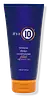 Key Ingredients
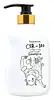
Benefits
Concerns
Ingredients Side-by-side
Parfum
Masking




Retinyl Palmitate
Skin Conditioning




Tocopheryl Acetate
Antioxidant

Hydrolyzed Collagen
Emollient

Aloe Barbadensis Leaf Juice
Skin Conditioning

Prunus Amygdalus Dulcis Protein
Skin ConditioningHelianthus Annuus Seed Extract
Skin Conditioning
Camellia Sinensis Seed Extract
Humectant
Methyl Gluceth-20
Humectant
Dimethicone
Emollient
Hydrogenated Apricot Kernel Oil
Skin Conditioning
Sodium Ascorbyl Phosphate
Antioxidant


Keratin Amino Acids
Skin ConditioningLinum Usitatissimum Seed Flour
Abrasive
Wine Extract
Antioxidant
Avena Sativa Kernel Extract
Abrasive
Butylene Glycol
Humectant
Citric Acid
Buffering
Sodium Chloride
MaskingPropylene Glycol
Humectant
Methylethanolamine
BufferingLinalool
Perfuming
Hexyl Cinnamal
Perfuming
Hydroxyisohexyl 3-Cyclohexene Carboxaldehyde
Masking
Cadinene
Perfuming
Benzyl Benzoate
Antimicrobial
Parfum, Retinyl Palmitate, Tocopheryl Acetate, Hydrolyzed Collagen, Aloe Barbadensis Leaf Juice, Prunus Amygdalus Dulcis Protein, Helianthus Annuus Seed Extract, Camellia Sinensis Seed Extract, Methyl Gluceth-20, Dimethicone, Hydrogenated Apricot Kernel Oil, Sodium Ascorbyl Phosphate, Keratin Amino Acids, Linum Usitatissimum Seed Flour, Wine Extract, Avena Sativa Kernel Extract, Butylene Glycol, Citric Acid, Sodium Chloride, Propylene Glycol, Methylethanolamine, Linalool, Hexyl Cinnamal, Hydroxyisohexyl 3-Cyclohexene Carboxaldehyde, Cadinene, Benzyl Benzoate
Water
Skin ConditioningLauryl Betaine
CleansingDisodium Laureth Sulfosuccinate
CleansingGlycerin
Humectant
Sodium Chloride
MaskingDipropylene Glycol
HumectantPEG-12 Dimethicone
Skin Conditioning
Polyquaternium-10
Sodium Cocoyl Glutamate
Cleansing
Polyquaternium-67
Parfum
Masking
PEG-12 Allyl Ether
Citric Acid
Buffering
1,2-Hexanediol
Skin Conditioning
Caprylyl Glycol
Emollient
Butylene Glycol
Humectant
Disodium Cocoyl Glutamate
Cleansing
Polyquaternium-11
Sodium Benzoate
Masking
Illicium Verum Fruit Extract
Perfuming
Disodium EDTA
ChelatingPolyquaternium-7
Ceramide NP
Skin Conditioning
Hydrolyzed Collagen
Emollient
Decyl Glucoside
Cleansing
Gelatin
Hydrolyzed Keratin
Humectant
Avena Sativa Protein Extract
Skin ConditioningHydrolyzed Corn Protein
Skin ConditioningHydrolyzed Soy Protein
Humectant
Hydrolyzed Wheat Protein
Skin ConditioningMoringa Oleifera Seed Extract
Skin Conditioning
Propolis Extract
Skin Conditioning

Salix Alba Bark Extract
Astringent
Origanum Vulgare Leaf Extract
Skin ConditioningChamaecyparis Obtusa Leaf Extract
Skin ConditioningLactobacillus/Soybean Ferment Extract
Skin ConditioningCinnamomum Cassia Bark Extract
Masking
Scutellaria Baicalensis Root Extract
Astringent
Portulaca Oleracea Extract
Skin Conditioning
Beta-Glucan
Skin Conditioning
Water, Lauryl Betaine, Disodium Laureth Sulfosuccinate, Glycerin, Sodium Chloride, Dipropylene Glycol, PEG-12 Dimethicone, Polyquaternium-10, Sodium Cocoyl Glutamate, Polyquaternium-67, Parfum, PEG-12 Allyl Ether, Citric Acid, 1,2-Hexanediol, Caprylyl Glycol, Butylene Glycol, Disodium Cocoyl Glutamate, Polyquaternium-11, Sodium Benzoate, Illicium Verum Fruit Extract, Disodium EDTA, Polyquaternium-7, Ceramide NP, Hydrolyzed Collagen, Decyl Glucoside, Gelatin, Hydrolyzed Keratin, Avena Sativa Protein Extract, Hydrolyzed Corn Protein, Hydrolyzed Soy Protein, Hydrolyzed Wheat Protein, Moringa Oleifera Seed Extract, Propolis Extract, Salix Alba Bark Extract, Origanum Vulgare Leaf Extract, Chamaecyparis Obtusa Leaf Extract, Lactobacillus/Soybean Ferment Extract, Cinnamomum Cassia Bark Extract, Scutellaria Baicalensis Root Extract, Portulaca Oleracea Extract, Beta-Glucan
Reviews
Ingredients Explained
These ingredients are found in both products.
Ingredients higher up in an ingredient list are typically present in a larger amount.
Butylene Glycol (or BG) is used within cosmetic products for a few different reasons:
Overall, Butylene Glycol is a safe and well-rounded ingredient that works well with other ingredients.
Though this ingredient works well with most skin types, some people with sensitive skin may experience a reaction such as allergic rashes, closed comedones, or itchiness.
Learn more about Butylene GlycolCitric Acid is an alpha hydroxy acid (AHA) naturally found in citrus fruits like oranges, lemons, and limes.
Like other AHAs, citric acid can exfoliate skin by breaking down the bonds that hold dead skin cells together. This helps reveal smoother and brighter skin underneath.
However, this exfoliating effect only happens at high concentrations (20%) which can be hard to find in cosmetic products.
Due to this, citric acid is usually included in small amounts as a pH adjuster. This helps keep products slightly more acidic and compatible with skin's natural pH.
In skincare formulas, citric acid can:
While it can provide some skin benefits, research shows lactic acid and glycolic acid are generally more effective and less irritating exfoliants.
Most citric acid used in skincare today is made by fermenting sugars (usually from molasses). This synthetic version is identical to the natural citrus form but easier to stabilize and use in formulations.
Rosacea skin has a lower threshold for acids generally, with 62.5% of rosacea subjects in one study reacting to lactic acid in a sting test. This is why we mark citric acid as a potential rosacea trigger.
However, this ingredient shows up as a pH adjuster or chelator at roughly 0.1-1% in many products. These low levels are unlikely to be an issue for rosacea skin and becomes a potential trigger at exfoliating concentrations (20%). Because everybody's skin is unique, we recommend a patch test if you are unsure.
Learn more about Citric AcidHydrolyzed Collagen is Collagen (usually sourced from fish, bovine, or porcine byproducts) that's been broken down into smaller peptides. This makes it water-soluble and easy to blend into formulations.
In a formula, it works mainly as a skin-conditioning and moisturizing agent.
The small peptides and amino acids (including Natural Moisturizing Factor components like Hydroxyproline, Serine, and Aspartic Acid) help the surface of the skin hold onto water, feel softer, and look temporarily plumper.
This ingredient also has mild film-forming and antioxidant properties with research showing the antioxidant effect is stronger the lower the molecular weight of the peptides.
It's worth being realistic here:
Topically applied Hydrolyzed Collagen conditions the upper layers of skin rather than rebuilding the structural collagen deep in your dermis (the wrinkle-and-firmness benefits people associate with Collagen mostly come from oral supplements in studies, not topicals).
However, recent lab and skin-model work on Hydrolyzed Fish Collagen has shown promising effects on cell viability and wound healing when used as an active.
Typical concentrations range from 0.2-2%, but the percentage can go much higher in rinse-off or hair products (sometimes even above 50%).
Clinical studies on this ingredient showed no irritation, sensitization, or phototoxicity.
If you are looking for vegan collagen, it usually goes by a different INCI name like hydrolyzed soy protein. Vegan collagen is derived from yeast, bacteria, or plant sources.
The results are varied.
A study from 2021 found hydrolyzed collagen increased elasticity and improved wrinkles in 1,125 participants between age 20 and 70. Another study found increased skin thickness in participants between the ages of 45 to 59.
However, It is difficult to prove that oral collagen will end up working on your skin. Many of the studies using hydrolyzed collagen also add several vitamins and nutrients into the test mixture as well.
Further studies are needed at this time.
Learn more about Hydrolyzed CollagenParfum is a catch-all term for an ingredient or more that is used to give a scent to products.
Also called "fragrance", this ingredient can be a blend of hundreds of chemicals or plant oils. This means every product with "fragrance" or "parfum" in the ingredients list is a different mixture.
For instance, Habanolide is a proprietary trade name for a specific aroma chemical. When used as a fragrance ingredient in cosmetics, most aroma chemicals fall under the broad labeling category of “FRAGRANCE” or “PARFUM” according to EU and US regulations.
The term 'parfum' or 'fragrance' is not regulated in many countries. In many cases, it is up to the brand to define this term.
For instance, many brands choose to label themselves as "fragrance-free" because they are not using synthetic fragrances. However, their products may still contain ingredients such as essential oils that are considered a fragrance by INCI standards.
One example is Calendula flower extract. Calendula is an essential oil that still imparts a scent or 'fragrance'.
Depending on the blend, the ingredients in the mixture can cause allergies and sensitivities on the skin. Some ingredients that are known EU allergens include linalool and citronellol.
Parfum can also be used to mask or cover an unpleasant scent.
The bottom line is: not all fragrances/parfum/ingredients are created equally. If you are worried about fragrances, we recommend taking a closer look at an ingredient. And of course, we always recommend speaking with a professional.
Learn more about ParfumChances are, you eat sodium chloride every day. Sodium Chloride is also known as table salt. This ingredient has many purposes in skincare: thickener, emulsifier, and exfoliator.
You'll most likely find this ingredient in cleansers where it is used to create a gel-like texture. As an emulsifier, it also prevents ingredients from separating.
You might see people debate whether Sodium Chloride is comedogenic, but there actually haven't been any comedogenic tests done on it. Either way, the overall formulation of a product matters a lot more than any single ingredient.
You might see this ingredient used in scrubs as a primary exfoliating ingredient.
Learn more about Sodium Chloride

