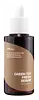
This oil-control serum is formulated around Camellia Sinensis Leaf Extract and Niacinamide to balance excess oil and calm redness.
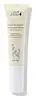
This hydrating serum is formulated around Hyaluronic Acid and Epigallocatechin Gallate to hydrate skin and strengthen the skin barrier.


What's inside
What's inside
 Key Ingredients
Benefits
Concerns
Ingredients Side-by-side
Camellia Sinensis Leaf Extract
Antimicrobial







Water
Skin ConditioningButylene Glycol
Humectant
Glycerin
Humectant
Propanediol
Solvent
Dipropylene Glycol
HumectantNiacinamide
Smoothing



1,2-Hexanediol
Skin Conditioning
Panthenol
Skin Conditioning
Hydroxyacetophenone
Antioxidant
Squalane
Emollient
Ammonium Acryloyldimethyltaurate/Vp Copolymer
Allantoin
Skin Conditioning
Carbomer
Emulsion StabilisingTromethamine
BufferingBetaine
Humectant
Polyglyceryl-3 Methylglucose Distearate
Emulsifying

Cetearyl Alcohol
Emollient




Epigallocatechin Gallate
Antioxidant
Glyceryl Stearate Se
Emulsifying
Adenosine
Skin Conditioning
Dipotassium Glycyrrhizate
Humectant
Bacillus Ferment
Skin Conditioning
Vigna Radiata Seed Extract
Skin ConditioningCamellia Japonica Flower Extract
EmollientPinus Palustris Leaf Extract
TonicUlmus Davidiana Root Extract
Skin Conditioning
Oenothera Biennis Flower Extract
AstringentPueraria Lobata Root Extract
HumectantBrassica Oleracea Italica Sprout Extract
EmollientCamellia Sinensis Leaf Extract, Water, Butylene Glycol, Glycerin, Propanediol, Dipropylene Glycol, Niacinamide, 1,2-Hexanediol, Panthenol, Hydroxyacetophenone, Squalane, Ammonium Acryloyldimethyltaurate/Vp Copolymer, Allantoin, Carbomer, Tromethamine, Betaine, Polyglyceryl-3 Methylglucose Distearate, Cetearyl Alcohol, Epigallocatechin Gallate, Glyceryl Stearate Se, Adenosine, Dipotassium Glycyrrhizate, Bacillus Ferment, Vigna Radiata Seed Extract, Camellia Japonica Flower Extract, Pinus Palustris Leaf Extract, Ulmus Davidiana Root Extract, Oenothera Biennis Flower Extract, Pueraria Lobata Root Extract, Brassica Oleracea Italica Sprout Extract
Aloe Barbadensis Leaf Water
MaskingGlycerin
Humectant
Lonicera Japonica Flower Extract
Skin ConditioningXanthan Gum
EmulsifyingHyaluronic Acid
Humectant
Lactobacillus/Ilex Paraguariensis Leaf Ferment Filtrate
Skin ConditioningRosa Rubiginosa Seed Oil
Emollient
Persea Gratissima Oil
Skin Conditioning
Euterpe Oleracea Sterols
Skin ConditioningLycium Barbarum Amino Acids
Skin ConditioningSqualane
Emollient
Epigallocatechin Gallate
Antioxidant
Citrus Aurantium Bergamia Fruit Oil
Masking


Cedrus Atlantica Bark Oil
Masking
Vetiveria Zizanoides Root Oil
Masking
Citrus Sinensis Peel Oil Expressed
Perfuming
Salvia Officinalis Oil
Masking
Lavandula Angustifolia Oil
Masking
Aloe Barbadensis Leaf Water, Glycerin, Lonicera Japonica Flower Extract, Xanthan Gum, Hyaluronic Acid, Lactobacillus/Ilex Paraguariensis Leaf Ferment Filtrate, Rosa Rubiginosa Seed Oil, Persea Gratissima Oil, Euterpe Oleracea Sterols, Lycium Barbarum Amino Acids, Squalane, Epigallocatechin Gallate, Citrus Aurantium Bergamia Fruit Oil, Cedrus Atlantica Bark Oil, Vetiveria Zizanoides Root Oil, Citrus Sinensis Peel Oil Expressed, Salvia Officinalis Oil, Lavandula Angustifolia Oil
Reviews
Alternatives
Ingredients Explained
These ingredients are found in both products.
Ingredients higher up in an ingredient list are typically present in a larger amount.
Epigallocatechin Gallate (EGCG) is the most abundant catechin in green tea. It is a heavyweight antioxidant in the green tea family.
In skincare, it helps protect skin from photoaging damage by scavenging UV-induced reactive oxygen species and tampering down inflammatory pathways.
UV-exposed skin cells treated with EGCG showed less of the enzyme that chews up collagen, lower inflammatory signaling, and better preserved barrier function.
EGCG nudges skin cells to make more of your skin's built in moisturizing molecules, filaggrin and hyaluronic acid, for better skin hydration.
Because it inhibits melanogenesis, it also provides a mild brightening effect.
Clinically, topical EGCG has helped calm radiation-related skin irritation and scalp seborrheic dermatitis with no major side effects.
In an 8-week split-face study, topical EGCG at 1% and 5% significantly reduced inflammatory and non-inflammatory acne.
A study from 2023 on patients with Seborrhea (a chronic skin condition caused by overactive sebaceous glands) found that using a 5% EGCG cream (alone and combined with 2% L-carnitine) and found meaningful sebum reduction plus better hydration.
Just one caveat here: Most clinical trials used 1-5% concentrations and most cosmetics contain only 0.1-1%.
The only headache related to this ingredient is stability. EGCG degrades quickly with heat, light, oxygen, and higher pH.
That's why you'll usually see it in low-pH formulas (4.5-6.5) or paired with vitamin C + vitamin E to slow its degradation. Hyaluronic acid also stabilizes it and boosts its antioxidant activity.
Learn more about Epigallocatechin GallateGlycerin (or glycerol) is a compound naturally found in your skin. It's a powerhouse humectant that pulls water into the stratum corneum.
Topically, glycerin does several things at once:
Your skin makes glycerin on its own (mostly from sebaceous oil breakdown) and shuttles it to your outermost layer of skin, or your epidermis, via aquaporin-3.
Aquaporin-3 is a transporter that is essential for normal skin hydration, elasticity, and repair. Interestingly, mice lacking in AQP3 have dry and less elastic skin that can be fully corrected with glycerin.
This ingredient is non-irritating, plays well with almost every ingredient, and works across all skin types. Typical use is anywhere between 3-10% but can go up to 79% in some leave-on products.
Just know very high concentrations (>40%) can feel tacky in low humidity.
Glycerin is the name for this ingredient in American English. British English uses Glycerol/Glycerine.
Learn more about GlycerinSqualane is the hydrogenated and shelf-stable form of squalene (a lipid that naturally occurs in human sebum).
It is an emollient and skin conditioning agent that is able to integrate seamlessly into the skin's lipid barrier without clogging pores.
This is due to how structurally similar it is to what your skin already produces.
Though it is mostly an emollient that helps soften and hydrate skin, it also has some humectant and occlusive action. Humectants help the skin retain moisture while occlusives seal it in, making squalane a triple-threat moisturizer.
Research shows it has antioxidant capabilities that help protect against stressors like UV exposure, specifically UVA induced oxidative stress. This study also found that it supports collagen biosynthesis in human dermal fibroblasts.
No clinical study has reported significant adverse effects and irritation reactions are very rare from this ingredient (even at 100% concentration).
Overall, it's a fantastic ingredient for hydration and is suitable for all skin types.
This depends on the source. Squalane can be derived from both plants and animals. Most squalane used in skincare comes from plants.
Please note: the source of squalane is only known if disclosed by the brand. We recommend reaching out to the brand if you have any questions about their squalane.
Read more about squalene with an "e".
Though squalane is often called an oil, it’s technically not one. It is a hydrocarbon, meaning it is only made of carbon and hydrogen. True oils are triglycerides and made of fatty acids and glycerol.
The term “oil-free” isn’t regulated so companies can define it however they want. Some exclude all oils, while others just avoid mineral oil or comedogenic oils.
Squalane has a comedogenic rating of 1 from the original 1972 study that tested raw ingredients under occlusion on rabbit ears. This system is not standardized or peer-reviewed, and using the raw ingredients is very different from how diluted cosmetic formulations are used on human skin.
A comedogenic rating of 1 means it is "unlikely to clog pores" according to the original rating system.
The overall formula of a product matters more than the individual ingredients on whether or not it will cause clogged pores.
Learn more about Squalane

