ISDIN Isdinceutics Hyaluronic Concentrate Versus Clinique Acne Solutions™ Acne + Line Correcting Serum
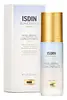
This hydrating serum is formulated around Pseudoalteromonas Ferment Extract and Hydrolyzed Hyaluronic Acid to hydrate skin and soften the look of wrinkles.
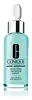
This acne serum is formulated around Salicylic Acid and Acetyl Hexapeptide-8 to clear breakouts and soften the look of wrinkles.


What's inside
What's inside
 Key Ingredients
Benefits
Concerns
Ingredients Side-by-side
Water
Skin ConditioningDimethicone
Emollient

Propanediol
Solvent

Glycerin
Humectant
1,2-Hexanediol
Skin Conditioning
Sodium Acrylates Copolymer
Dimethicone Crosspolymer
Emulsion Stabilising
Butylene Glycol
Humectant
Pseudoalteromonas Ferment Extract
Humectant


Glycereth-26
Humectant
Lecithin
Emollient
Maltodextrin
Absorbent
Sodium Benzoate
Masking
Pentylene Glycol
Skin Conditioning
Lens Esculenta Seed Extract
Skin ProtectingParfum
Masking



Disodium EDTA
ChelatingHydrolyzed Hyaluronic Acid
Humectant

Sodium Hyaluronate
Humectant
Xanthan Gum
EmulsifyingCitric Acid
Buffering

Biosaccharide Gum-1
Humectant
Carbomer
Emulsion StabilisingPolysorbate 20
Emulsifying
Sodium Lactate
Buffering
Sodium Salicylate
Preservative
Salicylic Acid
Masking




Palmitoyl Tripeptide-1
Skin Conditioning
Palmitoyl Tetrapeptide-7
Skin Conditioning
Water, Dimethicone, Propanediol, Glycerin, 1,2-Hexanediol, Sodium Acrylates Copolymer, Dimethicone Crosspolymer, Butylene Glycol, Pseudoalteromonas Ferment Extract, Glycereth-26, Lecithin, Maltodextrin, Sodium Benzoate, Pentylene Glycol, Lens Esculenta Seed Extract, Parfum, Disodium EDTA, Hydrolyzed Hyaluronic Acid, Sodium Hyaluronate, Xanthan Gum, Citric Acid, Biosaccharide Gum-1, Carbomer, Polysorbate 20, Sodium Lactate, Sodium Salicylate, Salicylic Acid, Palmitoyl Tripeptide-1, Palmitoyl Tetrapeptide-7
Water
Skin ConditioningDimethicone
Emollient
Butylene Glycol
Humectant
Vinyl Dimethicone/Methicone Silsesquioxane Crosspolymer
Methyl Trimethicone
Skin Conditioning
Polysorbate 20
Emulsifying
Bis-PEG-18 Methyl Ether Dimethyl Silane
EmollientLauryl PEG-9 Polydimethylsiloxyethyl Dimethicone
Skin Conditioning
Glycerin
Humectant
Methyl Gluceth-20
Humectant
Polysilicone-11
Salicylic Acid
Masking
Oenothera Biennis Flower Extract
AstringentGlycine Soja Seed Extract
Skin Conditioning

Sigesbeckia Orientalis Extract
Skin ConditioningSalvia Sclarea Extract
AntiseborrhoeicPlankton Extract
Skin ConditioningLaminaria Saccharina Extract
Skin Protecting
Acetyl Hexapeptide-8
Humectant
Acetyl Glucosamine
Skin Conditioning
Caffeine
Skin Conditioning
Glycine Soja Protein
EmulsifyingAminopropyl Ascorbyl Phosphate
Antioxidant

Cholesterol
Emollient
Caprylyl Glycol
Emollient
Micrococcus Lysate
Skin ConditioningPalmitoyl Hexapeptide-12
Skin Conditioning
Lecithin
Emollient
Whey Protein
Skin ConditioningSodium Hyaluronate
Humectant
Tocopheryl Acetate
Antioxidant
PEG-8
HumectantSodium Hydroxide
BufferingAmmonium Acryloyldimethyltaurate/Vp Copolymer
Xanthan Gum
EmulsifyingCarbomer
Emulsion StabilisingGlyceryl Polymethacrylate
Sodium Benzoate
Masking
Sodium Citrate
BufferingDisodium EDTA
ChelatingPhenoxyethanol
Preservative
Water, Dimethicone, Butylene Glycol, Vinyl Dimethicone/Methicone Silsesquioxane Crosspolymer, Methyl Trimethicone, Polysorbate 20, Bis-PEG-18 Methyl Ether Dimethyl Silane, Lauryl PEG-9 Polydimethylsiloxyethyl Dimethicone, Glycerin, Methyl Gluceth-20, Polysilicone-11, Salicylic Acid, Oenothera Biennis Flower Extract, Glycine Soja Seed Extract, Sigesbeckia Orientalis Extract, Salvia Sclarea Extract, Plankton Extract, Laminaria Saccharina Extract, Acetyl Hexapeptide-8, Acetyl Glucosamine, Caffeine, Glycine Soja Protein, Aminopropyl Ascorbyl Phosphate, Cholesterol, Caprylyl Glycol, Micrococcus Lysate, Palmitoyl Hexapeptide-12, Lecithin, Whey Protein, Sodium Hyaluronate, Tocopheryl Acetate, PEG-8, Sodium Hydroxide, Ammonium Acryloyldimethyltaurate/Vp Copolymer, Xanthan Gum, Carbomer, Glyceryl Polymethacrylate, Sodium Benzoate, Sodium Citrate, Disodium EDTA, Phenoxyethanol
Ingredients Explained
These ingredients are found in both products.
Ingredients higher up in an ingredient list are typically present in a larger amount.
Butylene Glycol (or BG) is used within cosmetic products for a few different reasons:
Overall, Butylene Glycol is a safe and well-rounded ingredient that works well with other ingredients.
Though this ingredient works well with most skin types, some people with sensitive skin may experience a reaction such as allergic rashes, closed comedones, or itchiness.
Learn more about Butylene GlycolCarbomer is a synthetic thickening and gelling agent. It's basically the ingredient that gives a lot of serums, gels, creams, and sunscreens their smooth, non-sticky texture.
Although legally permitted at very high levels, carbomers are normally used at concentrations below 1%.
It also needs to be neutralized to actually thicken, and because it is a large molecule, it doesn't really penetrate the skin barrier.
Allergy-wise, the risk is very low. Clinical studies show carbomers have low potential for skin irritation/sensitization even at concentrations up to 100%.
A 2024 UK study patch-tested 1,302 patients and found true allergy to the parent group of carbomer to be rare with no confirmed relevant reactions.
Learn more about CarbomerDimethicone is a type of synthetic silicone created from natural materials such as quartz. It is also known as polydimethylsiloxane.
What it does:
Dimethicone comes in different viscosities:
Depending on the viscosity, dimethicone has different properties.
Ingredients lists don't always show which type is used, so we recommend reaching out to the brand if you have questions about the viscosity.
This ingredient is unlikely to cause irritation because it does not get absorbed into skin. However, people with silicone allergies should be careful about using this ingredient.
Note: Dimethicone may contribute to pilling. This is because it is not oil or water soluble, so pilling may occur when layered with products. When mixed with heavy oils in a formula, the outcome is also quite greasy.
Learn more about DimethiconeDisodium EDTA is a chelating agent. It grabs onto and deactivates metal ions that sneak into your products from water, packaging, or air.
This ingredient mainly works behind the scenes and helps with:
On top of that, this ingredient can counteract the effects of hard water by binding to the minerals in it.
One thing worth knowing is that Disodium EDTA has been shown to be a mild penetration enhancer. It can help other ingredients absorb into skin more effectively which can be a double-edged sword (great for actives, but can also make the active too strong if you have sensitive skin).
Clinical patch testing showed no significant skin irritation at typical use concentrations and minimal dermal absorption.
You'll most likely see this ingredient near the end of an ingredient list. It's typically found in concentrations less than 1%.
Learn more about Disodium EDTAGlycerin (or glycerol) is a compound naturally found in your skin. It's a powerhouse humectant that pulls water into the stratum corneum.
Topically, glycerin does several things at once:
Your skin makes glycerin on its own (mostly from sebaceous oil breakdown) and shuttles it to your outermost layer of skin, or your epidermis, via aquaporin-3.
Aquaporin-3 is a transporter that is essential for normal skin hydration, elasticity, and repair. Interestingly, mice lacking in AQP3 have dry and less elastic skin that can be fully corrected with glycerin.
This ingredient is non-irritating, plays well with almost every ingredient, and works across all skin types. Typical use is anywhere between 3-10% but can go up to 79% in some leave-on products.
Just know very high concentrations (>40%) can feel tacky in low humidity.
Glycerin is the name for this ingredient in American English. British English uses Glycerol/Glycerine.
Learn more about GlycerinLecithin is a term for a group of substances found in the cell membranes of plants, animals, and humans. They are made up of phospholipids.
Thanks to its amphiphilic structure (water-loving head and oil-loving tail), it is a true multitasker:
It plays well with most ingredients and is typically used at 0.1-1%. However, concentrations up to 50% have been reported in moisturizers.
Learn more about LecithinPolysorbate 20 is a gentle, water-soluble emulsifier and mild surfactant. It stops oil and water from separating to keep your formulas blended and stable.
It also acts as a mild penetration enhancer by helping active ingredients absorb slightly better.
The common safety discussion around this ingredient involves a manufacturing byproduct called 1,4-dioxane.
Trace amounts can form during production but the EU's Scientific Committee on Consumer Safety has concluded that levels at/below 10 ppm in finished products are safe (commercial products consistently fall within acceptable margins).
True allergic reactions are uncommon and the CIR Expert Panel has confirmed this ingredient to be safe as used in cosmetics.
Because it is derived from lauric acid, it may not be fungal acne safe.
Learn more about Polysorbate 20Salicylic Acid (also known as beta hydroxy acid or BHA) is a well-known ingredient for treating skin that struggles with acne and clogged pores. It exfoliates both the skin's surface and deep within the pores to help clear out buildup, control oil, and reduce inflammation.
Unlike AHAs (alpha hydroxy acids), salicylic acid is oil-soluble. This allows it to penetrate into pores which makes it especially effective for treating blackheads and preventing future breakouts.
Salicylic acid is also known for its soothing properties. It has a similar structure to aspirin and can calm inflamed or irritated skin, making it a good option for acne-prone skin that is also sensitive.
Concentrations of 0.5-2% are recognized by the U.S. FDA as an over-the-counter topical acne product.
It can cause irritation and/or dryness if one's skin already has a compromised moisture barrier, so it's best to focus on repairing that before introducing this ingredient into your routine.
While salicylic acid does not increase sun sensitivity, it’s still important to wear sunscreen daily to protect your skin.
If you are looking for the ingredient called BHA or Butylated Hydroxyanisole, click here.
Learn more about Salicylic AcidSodium Benzoate is a preservative. It's used in both cosmetic and food products to inhibit the growth of mold and bacteria. It is typically produced synthetically.
Both the US FDA and EU Health Committee have approved the use of sodium benzoate. In the US, levels of 0.1% (of the total product) are allowed.
Sodium benzoate works as a preservative by inhibiting the growth of bacteria inside of cells. It prevents the cell from fermenting a type of sugar using an enzyme called phosphofructokinase.
It is the salt of benzoic acid. Foods containing sodium benzoate include soda, salad dressings, condiments, fruit juices, wines, and snack foods.
Studies for using ascorbic acid and sodium benzoate in cosmetics are lacking, especially in skincare routines with multiple steps.
We always recommend speaking with a professional, such as a dermatologist, if you have any concerns.
Learn more about Sodium BenzoateSodium Hyaluronate is the salt form of hyaluronic acid. It is a long sugar chain that is naturally found in your skin, joints, and connective tissue that maintains hydration and elasticity.
In skincare, it works as a humectant. It pulls water from the environment and deeper layers of skin and binds it to the surface.
Interestingly, the size of the molecule affects its behavior:
Some clinical evidence links low molecular weight versions to improved wrinkle depth, elasticity, anti-inflammatory effects, and barrier repair.
Many serums use a blend of both weights so you can get surface hydration plus longer-lasting and deeper effects.
You'll typically see concentrations between 0.1-2% for this ingredient.
Learn more about Sodium HyaluronateWater. It's the most common cosmetic ingredient of all. You'll usually see it at the top of ingredient lists, meaning that it makes up the largest part of the product.
So why is it so popular? Water most often acts as a solvent - this means that it helps dissolve other ingredients into the formulation.
You'll also recognize water as that liquid we all need to stay alive. If you see this, drink a glass of water. Remember to stay hydrated!
Learn more about WaterXanthan gum is used as a stabilizer and thickener within cosmetic products. It helps give products a sticky, thick feeling - preventing them from being too runny.
On the technical side of things, xanthan gum is a polysaccharide - a combination consisting of multiple sugar molecules bonded together.
Xanthan gum is a pretty common and great ingredient. It is a natural, non-toxic, non-irritating ingredient that is also commonly used in food products.
Learn more about Xanthan Gum

