This hydrating lip mask is formulated around Limnanthes Alba Seed Oil and Squalane to hydrate lips and strengthen the lip barrier.
This hydrating lip mask is formulated around Butyrospermum Parkii Butter to hydrate lips and strengthen the lip barrier.

What's inside
What's inside
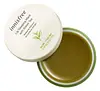 Key Ingredients
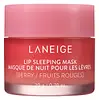
Benefits
Concerns
Ingredients Side-by-side
Phytosteryl/Isostearyl/Cetyl/Stearyl/Behenyl Dimer Dilinoleate
Skin Conditioning

Phytosteryl Isostearyl Dimer Dilinoleate
EmollientLimnanthes Alba Seed Oil
Skin Conditioning

Squalane
Emollient

Hydrogenated Castor Oil Dimer Dilinoleate
Skin Conditioning
Ricinus Communis Seed Oil
Masking
Beeswax
Emulsion Stabilising


Helianthus Annuus Seed Wax
Skin Conditioning
Oleic/Linoleic/Linolenic Polyglycerides
Emollient
Sucrose Tetrastearate Triacetate
Emollient
Camellia Sinensis Leaf Powder
Dextrin Palmitate
Emulsifying
Glyceryl Caprylate
EmollientCamellia Sinensis Seed Oil
Humectant
Anthemis Nobilis Flower Oil
Masking

Tocopherol
Antioxidant




Phytosteryl/Isostearyl/Cetyl/Stearyl/Behenyl Dimer Dilinoleate, Phytosteryl Isostearyl Dimer Dilinoleate, Limnanthes Alba Seed Oil, Squalane, Hydrogenated Castor Oil Dimer Dilinoleate, Ricinus Communis Seed Oil, Beeswax, Helianthus Annuus Seed Wax, Oleic/Linoleic/Linolenic Polyglycerides, Sucrose Tetrastearate Triacetate, Camellia Sinensis Leaf Powder, Dextrin Palmitate, Glyceryl Caprylate, Camellia Sinensis Seed Oil, Anthemis Nobilis Flower Oil, Tocopherol
Diisostearyl Malate
EmollientHydrogenated Polyisobutene
EmollientPhytosteryl/Isostearyl/Cetyl/Stearyl/Behenyl Dimer Dilinoleate
Skin Conditioning
Hydrogenated Poly(C6-14 Olefin)
EmollientPolybutene
Cera Microcristallina
Emulsion StabilisingButyrospermum Parkii Butter
Skin Conditioning
Synthetic Wax
Abrasive
Ethylene/Propylene/Styrene Copolymer
Sucrose Tetrastearate Triacetate
Emollient
Mica
Cosmetic ColorantEuphorbia Cerifera Cera
Astringent
Candelilla Wax Esters
Astrocaryum Murumuru Seed Butter
Emollient
CI 77891
Cosmetic ColorantParfum
Masking
Glyceryl Caprylate
EmollientPolyglyceryl-2 Diisostearate
Emulsifying
Butylene/Ethylene/Styrene Copolymer
Copernicia Cerifera Cera
Emollient
Methicone
Emollient
Polyglyceryl-2 Triisostearate
Emulsifying
Cocos Nucifera Oil
Masking
CI 15985
Cosmetic ColorantPentaerythrityl Tetra-Di-T-Butyl Hydroxyhydrocinnamate
Antioxidant
CI 15850
Cosmetic ColorantAscorbic Acid
Antioxidant


Water
Skin ConditioningGlycerin
Humectant
Propanediol
Solvent
BHT
Antioxidant
Punica Granatum Fruit Juice
MaskingRubus Idaeus Juice
AstringentVitis Vinifera Juice
Antioxidant
Diisostearyl Malate, Hydrogenated Polyisobutene, Phytosteryl/Isostearyl/Cetyl/Stearyl/Behenyl Dimer Dilinoleate, Hydrogenated Poly(C6-14 Olefin), Polybutene, Cera Microcristallina, Butyrospermum Parkii Butter, Synthetic Wax, Ethylene/Propylene/Styrene Copolymer, Sucrose Tetrastearate Triacetate, Mica, Euphorbia Cerifera Cera, Candelilla Wax Esters, Astrocaryum Murumuru Seed Butter, CI 77891, Parfum, Glyceryl Caprylate, Polyglyceryl-2 Diisostearate, Butylene/Ethylene/Styrene Copolymer, Copernicia Cerifera Cera, Methicone, Polyglyceryl-2 Triisostearate, Cocos Nucifera Oil, CI 15985, Pentaerythrityl Tetra-Di-T-Butyl Hydroxyhydrocinnamate, CI 15850, Ascorbic Acid, Water, Glycerin, Propanediol, BHT, Punica Granatum Fruit Juice, Rubus Idaeus Juice, Vitis Vinifera Juice
Reviews
Ingredients Explained
These ingredients are found in both products.
Ingredients higher up in an ingredient list are typically present in a larger amount.
Glyceryl Caprylate comes from glycerin and caprylic acid. It is an emollient, co-emulsifier, and preservative booster.
Its short C8 fatty acid chain makes it behave differently from its longer-chain emollient cousins like Glyceryl Stearate. It feels more lightweight, fast-absorbing, and silky instead of rich and waxy.
As a co-emulsifier, its "head" and "tail" sit at the oil-water interface. But overall, the short C8 tail and not being water soluble means it doesn't really have the muscle to emulsify a formula on its own. That's why you'll often see it paired with a primary emulsifier like Cetearyl Glucoside.
Interestingly, Glyceryl Caprylate acts as a preservative booster. This is because its fatty-acid backbone disrupts microbial lipid membranes. It shows excellent activity against bacteria and yeast but is weaker against mold.
Typical concentrations range from 0.5-1% and this ingredient is generally non-irritating.
Because this ingredient has a C8 fatty acid chain, it is outside the range that the Malassezia yeast metabolizes (making it fungal acne safe).
Learn more about Glyceryl CaprylateThis is a plant-derived ester that functions as a skin conditioner. It's basically a two linoleic acid molecules combined with fatty alcohols.
In practice, it works as a rich emollient that helps reduce moisture loss and give skin a soft appearance.
The phytosterol part of this ingredient brings an added structural bonus: phytosterols are structurally similar to cholesterol so they can fit right into the stratum corneum's lipid matrix to help reinforce the skin barrier.
Due to its molecular structure, this ingredient delivers a cushiony and glossy feeling without being excessively greasy.
It did not produce skin irritation or sensitization in clinical studies, and this ingredient is deemed safe to use in cosmetics at current practices.
Because this ingredient contains C16, C18, and C22 fatty chains, it may not be Malassezia/fungal acne safe. The Malassezia yeast potentially feeds on fatty acids in the C11-C24 range.
Learn more about Phytosteryl/Isostearyl/Cetyl/Stearyl/Behenyl Dimer DilinoleateSucrose Tetrastearate Triacetate isn't fungal acne safe.


