In Your Face Bio Peptide EGF6 Firming Serum Versus Allies of Skin Multi Peptides & GF Advanced Lifting Serum
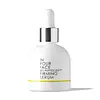
This anti-aging serum is formulated around Aloe Barbadensis Leaf Juice and Sh-Oligopeptide-1 to soften the look of wrinkles and hydrate skin.
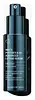
This anti-aging serum is formulated around Sh-Oligopeptide-1 and Dipeptide Diaminobutyroyl Benzylamide Diacetate to soften the look of wrinkles.

What's inside
What's inside
 Key Ingredients
Benefits
Concerns
Ingredients Side-by-side
Aloe Barbadensis Leaf Juice
Skin Conditioning


Rosa Damascena Flower Water
Masking
Squalane
Emollient

Pentylene Glycol
Skin Conditioning
Water
Skin ConditioningLecithin
Emollient
Acetyl Glutamine
Skin ConditioningPropanediol
Solvent
Sh-Oligopeptide-1
Skin Conditioning

Sh-Oligopeptide-2
Skin Conditioning
Sh-Polypeptide-1
Skin Conditioning
Sh-Polypeptide-9
Skin Conditioning
Sh-Polypeptide-11
Bacillus/Folic Acid Ferment Filtrate Extract
Antioxidant
Sodium Hyaluronate
Humectant
Copper Tripeptide-1
Skin Conditioning
Glycerin
Humectant
Olea Europaea Fruit Oil
Masking





Sesamum Indicum Seed Oil
Emollient
Arginine
Masking
Camellia Sinensis Leaf Extract
Antimicrobial


Sphingomonas Ferment Extract
Skin Conditioning
Hydrolyzed Gardenia Florida Extract
Antioxidant
Maltodextrin
Absorbent
1,2-Hexanediol
Skin Conditioning
Caprylyl Glycol
Emollient
Polyglyceryl-4 Caprate
EmulsifyingEthylhexylglycerin
Skin ConditioningBoswellia Serrata Oil
Masking
Anthemis Nobilis Flower Oil
Masking

Aloe Barbadensis Leaf Juice, Rosa Damascena Flower Water, Squalane, Pentylene Glycol, Water, Lecithin, Acetyl Glutamine, Propanediol, Sh-Oligopeptide-1, Sh-Oligopeptide-2, Sh-Polypeptide-1, Sh-Polypeptide-9, Sh-Polypeptide-11, Bacillus/Folic Acid Ferment Filtrate Extract, Sodium Hyaluronate, Copper Tripeptide-1, Glycerin, Olea Europaea Fruit Oil, Sesamum Indicum Seed Oil, Arginine, Camellia Sinensis Leaf Extract, Sphingomonas Ferment Extract, Hydrolyzed Gardenia Florida Extract, Maltodextrin, 1,2-Hexanediol, Caprylyl Glycol, Polyglyceryl-4 Caprate, Ethylhexylglycerin, Boswellia Serrata Oil, Anthemis Nobilis Flower Oil
Water
Skin ConditioningGlycerin
Humectant
Heptyl Glucoside
SurfactantIsodecyl Neopentanoate
EmollientAcacia Senegal Gum
MaskingPolysorbate 20
Emulsifying
Centella Asiatica Leaf Extract
Skin Conditioning
Helianthus Annuus Seed Oil
Emollient
Tocopherol
Antioxidant

Phospholipids
Skin Conditioning
Glycolipids
Skin ConditioningDimethyl Sulfone
SolventOrnithine
Skin ConditioningLecithin
Emollient
Hydrogenated Lecithin
Emulsifying
Copper Lysinate/Prolinate
Skin ConditioningMethylglucoside Phosphate
Skin ConditioningCrocus Chrysanthus Bulb Extract
Skin ConditioningSh-Oligopeptide-1
Skin Conditioning
Dipeptide Diaminobutyroyl Benzylamide Diacetate
Skin Conditioning
Pentapeptide-18
Skin Conditioning
Pentapeptide-48
Skin Conditioning
Butyrospermum Parkii Butter
Skin Conditioning
Leuconostoc/Radish Root Ferment Filtrate
Antimicrobial
Caprylic/Capric Triglyceride
Masking
Ethylhexylglycerin
Skin ConditioningC12-15 Alkyl Benzoate
AntimicrobialSclerotium Gum
Emulsion StabilisingXanthan Gum
EmulsifyingCaprylyl Glycol
Emollient
Levulinic Acid
Perfuming
P-Anisic Acid
MaskingSodium Gluconate
ChelatingPropanediol
Solvent
Maltodextrin
Absorbent
Citric Acid
Buffering
Sodium Hydroxide
BufferingHeptanol
Perfuming
Phenethyl Alcohol
MaskingPhenoxyethanol
Preservative
Water, Glycerin, Heptyl Glucoside, Isodecyl Neopentanoate, Acacia Senegal Gum, Polysorbate 20, Centella Asiatica Leaf Extract, Helianthus Annuus Seed Oil, Tocopherol, Phospholipids, Glycolipids, Dimethyl Sulfone, Ornithine, Lecithin, Hydrogenated Lecithin, Copper Lysinate/Prolinate, Methylglucoside Phosphate, Crocus Chrysanthus Bulb Extract, Sh-Oligopeptide-1, Dipeptide Diaminobutyroyl Benzylamide Diacetate, Pentapeptide-18, Pentapeptide-48, Butyrospermum Parkii Butter, Leuconostoc/Radish Root Ferment Filtrate, Caprylic/Capric Triglyceride, Ethylhexylglycerin, C12-15 Alkyl Benzoate, Sclerotium Gum, Xanthan Gum, Caprylyl Glycol, Levulinic Acid, P-Anisic Acid, Sodium Gluconate, Propanediol, Maltodextrin, Citric Acid, Sodium Hydroxide, Heptanol, Phenethyl Alcohol, Phenoxyethanol
Reviews
Ingredients Explained
These ingredients are found in both products.
Ingredients higher up in an ingredient list are typically present in a larger amount.
Caprylyl Glycol is a humectant, skin conditioner, emollient, and preservative booster derived from either caprylic acid or synthetically created.
Typical use levels vary from 0.3-1% as a preservative booster and go up to 2% to condition skin.
Because it is not a free-fatty acid, this ingredient is fungal acne safe (there's nothing for Malassezia to feed on).
Learn more about Caprylyl GlycolEthylhexylglycerin is created from glycerin. It is a multitasker ingredient that:
The CIR Expert Panel found minimal skin absorption or sensitization of any kind in a safety assessment. Though this ingredient is considered well-tolerated, a small number of cases of allergic dermatitis have been published since 2002. Just be sure to patch test if you are unsure.
Industry-reported use ranges from 8% in rinse-off products and 2% in leave-on formulations.
Learn more about EthylhexylglycerinGlycerin (or glycerol) is a compound naturally found in your skin. It's a powerhouse humectant that pulls water into the stratum corneum.
Topically, glycerin does several things at once:
Your skin makes glycerin on its own (mostly from sebaceous oil breakdown) and shuttles it to your outermost layer of skin, or your epidermis, via aquaporin-3.
Aquaporin-3 is a transporter that is essential for normal skin hydration, elasticity, and repair. Interestingly, mice lacking in AQP3 have dry and less elastic skin that can be fully corrected with glycerin.
This ingredient is non-irritating, plays well with almost every ingredient, and works across all skin types. Typical use is anywhere between 3-10% but can go up to 79% in some leave-on products.
Just know very high concentrations (>40%) can feel tacky in low humidity.
Glycerin is the name for this ingredient in American English. British English uses Glycerol/Glycerine.
Learn more about GlycerinLecithin is a term for a group of substances found in the cell membranes of plants, animals, and humans. They are made up of phospholipids.
Thanks to its amphiphilic structure (water-loving head and oil-loving tail), it is a true multitasker:
It plays well with most ingredients and is typically used at 0.1-1%. However, concentrations up to 50% have been reported in moisturizers.
Learn more about LecithinMaltodextrin is a plant-derived carbohydrate made by breaking down starch (usually from corn, potato, or rice). In cosmetic formulas, it's a multitasking absorbent, emulsion stabilizer, and skin conditioner.
This ingredient is mostly used to stabilize emulsions and improve the powdery, non-greasy feel of products (like dry shampoos).
Safety-wise, this ingredient is pretty solid; it's even recognized as a food additive. Both animal and clinical studies found no adverse effects at the levels used in cosmetics.
Industry data shows this ingredient is used up to 45.7% in spray products and up to 33% in powder products.
Learn more about MaltodextrinPropanediol is an all-star ingredient. It softens, hydrates, and smooths the skin.
It’s often used to:
Propanediol is not likely to cause sensitivity and considered safe to use. It is derived from corn or petroleum with a clear color and no scent.
Learn more about Propanediolsh-Oligopeptide-1 is a peptide found naturally in our bodies. Peptides are the building blocks for collagen and elastin in our skin.
In cosmetics, this ingredient is bioengineered to be identical to a human gene that codes for epidermal growth factor (EGF). EGF are signal molecules that simulate cell growth and healing.
Studies find EGF help with:
In South Korea and China, EGF is considered a controversial ingredient. The South Korean Ministry of Food and Drug Safety has cracked down on companies with products including EGF due to false advertisement claims.
According to Dr. Zoe Draelos, growth factors have some drawbacks:
There is also controversy surrounding growth factors. The controversy is due to their mitogenic activity, or their ability to increase the number of cells. It is best to avoid using growth factors if you have psoriasis or are at risk of skin cancer. However, it should be noted EGF are not mutagenic - meaning they will not cause cancer.
Learn more about Sh-Oligopeptide-1Water. It's the most common cosmetic ingredient of all. You'll usually see it at the top of ingredient lists, meaning that it makes up the largest part of the product.
So why is it so popular? Water most often acts as a solvent - this means that it helps dissolve other ingredients into the formulation.
You'll also recognize water as that liquid we all need to stay alive. If you see this, drink a glass of water. Remember to stay hydrated!
Learn more about Water

