Il Makiage GL Radiant Glow Woke Up Like This Foundation Versus Chanel Vitalumière Aqua Ultra-Light Skin Perfecting Sunscreen Makeup SPF 15


What's inside
What's inside
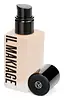 Key Ingredients
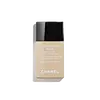
Benefits
Concerns
Ingredients Side-by-side
Water
Skin ConditioningCyclopentasiloxane
Emollient
Isododecane
EmollientGlycerin
Humectant


Alcohol
Antimicrobial




Phenyl Trimethicone
Skin Conditioning
Aluminum Starch Octenylsuccinate
Absorbent
Bis-Hydroxyethoxypropyl Dimethicone/Ipdi Copolymer Ethylcarbamate
Cetyl PEG/PPG-10/1 Dimethicone
Emulsifying
Disteardimonium Hectorite
StabilisingSodium Chloride
MaskingPolyglyceryl-4 Isostearate
Emulsifying
Hexyl Laurate
Emollient
Di-C12-13 Alkyl Tartrate
EmollientSodium Dehydroacetate
Preservative
Potassium Sorbate
Preservative
Disodium Stearoyl Glutamate
CleansingDiamond Powder
Abrasive
Caprylic/Capric Triglyceride
Masking
Aluminum Hydroxide
EmollientPentaerythrityl Tetra-Di-T-Butyl Hydroxyhydrocinnamate
Antioxidant
Rubus Idaeus Leaf Cell Culture
Skin ConditioningCI 77891
Cosmetic ColorantCI 77491
Cosmetic ColorantCI 77492
Cosmetic ColorantCI 77499
Cosmetic ColorantWater, Cyclopentasiloxane, Isododecane, Glycerin, Alcohol, Phenyl Trimethicone, Aluminum Starch Octenylsuccinate, Bis-Hydroxyethoxypropyl Dimethicone/Ipdi Copolymer Ethylcarbamate, Cetyl PEG/PPG-10/1 Dimethicone, Disteardimonium Hectorite, Sodium Chloride, Polyglyceryl-4 Isostearate, Hexyl Laurate, Di-C12-13 Alkyl Tartrate, Sodium Dehydroacetate, Potassium Sorbate, Disodium Stearoyl Glutamate, Diamond Powder, Caprylic/Capric Triglyceride, Aluminum Hydroxide, Pentaerythrityl Tetra-Di-T-Butyl Hydroxyhydrocinnamate, Rubus Idaeus Leaf Cell Culture, CI 77891, CI 77491, CI 77492, CI 77499
Titanium Dioxide 6.4%
Cosmetic Colorant

Water
Skin ConditioningMethyl Trimethicone
Skin Conditioning
Dimethicone
Emollient
Alcohol
Antimicrobial
Silica
Abrasive
Triethylhexanoin
MaskingButylene Glycol
Humectant
Synthetic Fluorphlogopite
Isododecane
EmollientRicinus Communis Seed Oil
Masking

Acrylates/Polytrimethylsiloxymethacrylate Copolymer
Skin ConditioningTalc
Abrasive
Dimethicone/PEG-10/15 Crosspolymer
Nelumbo Nucifera Root Water
TonicPEG-10 Dimethicone
Skin Conditioning
Stearic Acid
Cleansing
Alumina
Abrasive
Potassium Sorbate
Preservative
Parfum
Masking
Magnesium Sulfate
Caprylyl Glycol
Emollient
Lauroyl Lysine
Skin Conditioning
Triethoxycaprylylsilane
Sodium Hyaluronate
Humectant


Aluminum Hydroxide
EmollientDipropylene Glycol
HumectantTocopheryl Acetate
Antioxidant

Pentylene Glycol
Skin Conditioning
Laminaria Digitata Extract
Skin Protecting
Tocopherol
Antioxidant
Ultramarines
Iron Oxides
Mica
Cosmetic ColorantTitanium Dioxide 6.4%, Water, Methyl Trimethicone, Dimethicone, Alcohol, Silica, Triethylhexanoin, Butylene Glycol, Synthetic Fluorphlogopite, Isododecane, Ricinus Communis Seed Oil, Acrylates/Polytrimethylsiloxymethacrylate Copolymer, Talc, Dimethicone/PEG-10/15 Crosspolymer, Nelumbo Nucifera Root Water, PEG-10 Dimethicone, Stearic Acid, Alumina, Potassium Sorbate, Parfum, Magnesium Sulfate, Caprylyl Glycol, Lauroyl Lysine, Triethoxycaprylylsilane, Sodium Hyaluronate, Aluminum Hydroxide, Dipropylene Glycol, Tocopheryl Acetate, Pentylene Glycol, Laminaria Digitata Extract, Tocopherol, Ultramarines, Iron Oxides, Mica
Reviews
Ingredients Explained
These ingredients are found in both products.
Ingredients higher up in an ingredient list are typically present in a larger amount.
This ingredient is also called ethanol or ethyl alcohol. It is denatured, meaning made undrinkable for cosmetic use.
In formulas, it:
Is it bad for your skin?
The answer comes down to concentration. Patch and wash studies have found highly concentrated alcohol-based hand rubs (60-100%) cause less barrier disruption than washing with a basic detergent like SLS. The only measurable effect in these studies was a temporary dip in skin hydration.
Concentrations below 12-15% in leave-on cosmetics is generally well-tolerated. Concentrations above start to see increased transepidermal water loss (TEWL) and reduced hydration.
In concentrations about 58%, it creates temporary channels in your skin's lipid layers to become more permeable and allow other ingredients to slip through easily.
This ingredient can be up to 80% of the formula in alcohol-based perfumes.
Overall, this ingredient is probably harmless if found lower down an ingredients list but worth side-eyeing if it's high up (especially if your barrier is already struggling).
Alcohol can worsen dry skin, eczema, and oily skin, especially at higher concentrations. This is because it can increase transepidermal water loss and decrease hydration to disrupt the skin barrier.
According to the National Rosacea Society based in the US, you should be mindful of products with these alcohols in the top half of ingredients.
True allergic contact dermatitis to ethanol is uncommon, but be sure to patch test if you have dry or sensitive skin.
Learn more about AlcoholAluminum Hydroxide is a form of aluminum. It can be naturally found in nature as the mineral gibbsite. In cosmetics, Aluminum Hydroxide is used as a colorant, pH adjuster, and absorbent.
As a colorant, Aluminum Hydroxide may add opacity, or reduce the transparency. Aluminum hydroxide is contains both basic and acidic properties.
According to manufacturers, this ingredient is an emollient and humectant. This means it helps hydrate the skin.
In medicine, this ingredient is used to help relieve heartburn and help heal ulcers.
There is currently no credible scientific evidence linking aluminum hydroxide in cosmetics to increased cancer risk.
Major health organizations allow the use of aluminum hydroxide in personal care products and have not flagged it as a carcinogenic risk at typical usage levels.
Learn more about Aluminum HydroxideIsododecane is a fragrance, emollient, and solvent.
As an emollient, it helps your skin stay soft and hydrated. Emollients help trap moisture into your skin.
Isododecane's role as a solvent makes it a great texture enhancer. It spreads smoothly on skin and does not leave a sticky feeling behind. Isododecane also helps prevent color transfer in makeup products.
Isododecane is not absorbed into skin.
The chemical name for this ingredient is 2,2,4,6,6-PENTAMETHYLHEPTANE.
Learn more about IsododecanePotassium Sorbate is a preservative used to prevent yeast and mold in products. It is commonly found in both cosmetic and food products.
This ingredient comes from potassium salt derived from sorbic acid. Sorbic acid is a natural antibiotic and effective against fungus.
Both potassium sorbate and sorbic acid can be found in baked goods, cheeses, dried meats, dried fruit, ice cream, pickles, wine, yogurt, and more.
You'll often find this ingredient used with other preservatives.
Learn more about Potassium SorbateWater. It's the most common cosmetic ingredient of all. You'll usually see it at the top of ingredient lists, meaning that it makes up the largest part of the product.
So why is it so popular? Water most often acts as a solvent - this means that it helps dissolve other ingredients into the formulation.
You'll also recognize water as that liquid we all need to stay alive. If you see this, drink a glass of water. Remember to stay hydrated!
Learn more about Water

