This gel cleanser uses mild cleansing ingredients, but contains alcohol that may feel drying for some.
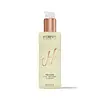
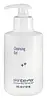
This mild gel cleanser is made to cleanse while calming and soothing your skin.

What's inside
What's inside
 Key Ingredients
No key ingredients
Benefits
Concerns
No concerns
Ingredients Side-by-side
Water
Skin ConditioningPropanediol
Solvent

Sodium Lauroyl Methyl Isethionate
CleansingCocamidopropyl Betaine
Cleansing



Sodium Methyl Oleoyl Taurate
CleansingFulvic Acid
Skin ConditioningCocamidopropyl Hydroxysultaine
Cleansing
Coco-Glucoside
Cleansing
Lauryl Glucoside
CleansingGlycerin
Humectant
Aloe Barbadensis Leaf Juice
Skin Conditioning

Tocopherol
Antioxidant




Panthenol
Skin Conditioning
Salvia Hispanica Seed Extract
Emollient
Helianthus Annuus Seed Oil
Emollient

Anthemis Nobilis Flower Oil
Masking

Simmondsia Chinensis Seed Oil
Emollient
Ethylhexylglycerin
Skin ConditioningXylitol
Humectant
Tetrasodium Glutamate Diacetate
ChelatingCaprylyl Glycol
Emollient
Sodium Cocoyl Glycinate
Cleansing
Polysorbate 20
Emulsifying
Galactoarabinan
Trehalose
Humectant
Coconut Acid
Cleansing
Sorbitol
Humectant
Citrus Paradisi Peel Oil
Masking
Sodium Benzoate
Masking
Sodium Chloride
MaskingSodium Phosphate
BufferingRosa Canina Seed Oil
Emollient
Caprylhydroxamic Acid
ChelatingArachis Hypogaea Oil
Skin Conditioning
Benzyl Alcohol
Perfuming


1,2-Hexanediol
Skin Conditioning
Lavandula Angustifolia Oil
Masking
Citrus Aurantifolia Oil
Cleansing
Litsea Cubeba Fruit Oil
Masking
Limonene
Perfuming
Phenoxyethanol
Preservative
Aminopropanol
Myrcene
Perfuming
Water, Propanediol, Sodium Lauroyl Methyl Isethionate, Cocamidopropyl Betaine, Sodium Methyl Oleoyl Taurate, Fulvic Acid, Cocamidopropyl Hydroxysultaine, Coco-Glucoside, Lauryl Glucoside, Glycerin, Aloe Barbadensis Leaf Juice, Tocopherol, Panthenol, Salvia Hispanica Seed Extract, Helianthus Annuus Seed Oil, Anthemis Nobilis Flower Oil, Simmondsia Chinensis Seed Oil, Ethylhexylglycerin, Xylitol, Tetrasodium Glutamate Diacetate, Caprylyl Glycol, Sodium Cocoyl Glycinate, Polysorbate 20, Galactoarabinan, Trehalose, Coconut Acid, Sorbitol, Citrus Paradisi Peel Oil, Sodium Benzoate, Sodium Chloride, Sodium Phosphate, Rosa Canina Seed Oil, Caprylhydroxamic Acid, Arachis Hypogaea Oil, Benzyl Alcohol, 1,2-Hexanediol, Lavandula Angustifolia Oil, Citrus Aurantifolia Oil, Litsea Cubeba Fruit Oil, Limonene, Phenoxyethanol, Aminopropanol, Myrcene
Water
Skin ConditioningSodium Methyl Cocoyl Taurate
Cleansing
Lauramidopropyl Betaine
CleansingCocamidopropyl Hydroxysultaine
Cleansing
Sodium Lauroyl Methyl Isethionate
CleansingSodium Chloride
MaskingGlycerin
Humectant
Aloe Barbadensis Leaf Juice
Skin Conditioning
Chamomilla Recutita Flower Extract
Masking
Cucumis Sativus Fruit Extract
Emollient
Polyglyceryl-3 Caprate
EmulsifyingCitric Acid
Buffering
Sodium Benzoate
Masking
Potassium Sorbate
Preservative
Phytic Acid
Chelating
Water, Sodium Methyl Cocoyl Taurate, Lauramidopropyl Betaine, Cocamidopropyl Hydroxysultaine, Sodium Lauroyl Methyl Isethionate, Sodium Chloride, Glycerin, Aloe Barbadensis Leaf Juice, Chamomilla Recutita Flower Extract, Cucumis Sativus Fruit Extract, Polyglyceryl-3 Caprate, Citric Acid, Sodium Benzoate, Potassium Sorbate, Phytic Acid
Ingredients Explained
These ingredients are found in both products.
Ingredients higher up in an ingredient list are typically present in a larger amount.
Aloe Barbadensis Leaf Juice is the filtered, stabilized liquid pressed from the inner gel of the aloe vera leaf.
In cosmetics, it shows up as either soothing active or a water-replacement base. It is roughly 98-99% water and the last 1-2% is an interesting mix of polysaccharides, amino acids, vitamins, minerals, and enzymes.
The polysaccharides do most of the work: they bind water at the skin surface for a light, non-greasy hydration boost. And one of the polysaccharides, glycomannan, is linked to fibroblast stimulation + collagen synthesis. This is also why aloe has such a long track record in wound and burn healing.
This ingredient is also calming with anti-inflammatory and mild antimicrobial activity, making it a great pick for sensitive, irritated, or post-sun skin.
Realistic expectations matter though; the solid evidence is mostly limited to hydration, soothing, and wound support. Deeper claims about anti-aging or sun protection are not well backed, and science reviews note it does not prevent radiation-induced skin injury.
Because it plays well with almost everything, it's commonly used as a base alongside other actives like niacinamide or vitamin C.
Typical usage concentrations range from 0.5% (where hydration benefits already show up) all the way to 90%+ (where it replaces water as the main base).
The safety for this ingredient is well-establish as well. Overall, this is a great supporting ingredient for those who want a boost in hydration.
Learn more about Aloe Barbadensis Leaf JuiceCocamidopropyl Hydroxysultaine is a synthetic cleansing agent, though it is derived from coconut oil.
It is used to enhance the texture of products by boosting lather and thickening the texture. As a cleanser, Cocamidopropyl Hydroxysultaine is mild.
Glycerin (or glycerol) is a compound naturally found in your skin. It's a powerhouse humectant that pulls water into the stratum corneum.
Topically, glycerin does several things at once:
Your skin makes glycerin on its own (mostly from sebaceous oil breakdown) and shuttles it to your outermost layer of skin, or your epidermis, via aquaporin-3.
Aquaporin-3 is a transporter that is essential for normal skin hydration, elasticity, and repair. Interestingly, mice lacking in AQP3 have dry and less elastic skin that can be fully corrected with glycerin.
This ingredient is non-irritating, plays well with almost every ingredient, and works across all skin types. Typical use is anywhere between 3-10% but can go up to 79% in some leave-on products.
Just know very high concentrations (>40%) can feel tacky in low humidity.
Glycerin is the name for this ingredient in American English. British English uses Glycerol/Glycerine.
Learn more about GlycerinSodium Benzoate is a preservative. It's used in both cosmetic and food products to inhibit the growth of mold and bacteria. It is typically produced synthetically.
Both the US FDA and EU Health Committee have approved the use of sodium benzoate. In the US, levels of 0.1% (of the total product) are allowed.
Sodium benzoate works as a preservative by inhibiting the growth of bacteria inside of cells. It prevents the cell from fermenting a type of sugar using an enzyme called phosphofructokinase.
It is the salt of benzoic acid. Foods containing sodium benzoate include soda, salad dressings, condiments, fruit juices, wines, and snack foods.
Studies for using ascorbic acid and sodium benzoate in cosmetics are lacking, especially in skincare routines with multiple steps.
We always recommend speaking with a professional, such as a dermatologist, if you have any concerns.
Learn more about Sodium BenzoateChances are, you eat sodium chloride every day. Sodium Chloride is also known as table salt. This ingredient has many purposes in skincare: thickener, emulsifier, and exfoliator.
You'll most likely find this ingredient in cleansers where it is used to create a gel-like texture. As an emulsifier, it also prevents ingredients from separating.
You might see people debate whether Sodium Chloride is comedogenic, but there actually haven't been any comedogenic tests done on it. Either way, the overall formulation of a product matters a lot more than any single ingredient.
You might see this ingredient used in scrubs as a primary exfoliating ingredient.
Learn more about Sodium ChlorideSodium Lauroyl Methyl Isethionate is a gentle, sulfate-free cleansing agent. It's basically a mild "soap" molecule derived from coconut that makes a soft, cream foam and is very soluble in water.
Typical concentration use ranges from ~0.6-10% in rinse off products and only trace amounts (~0.009%) in leave on products.
The Cosmetic Ingredient Review Expert Panel has assessed it and concluded it to be safe as used at these concentrations when formulated to be non-irritating.
Allergy and sensitization risk is low and often when someone reacts to a cleanser it's due to the fragrance or preservatives rather than this ingredient itself.
Learn more about Sodium Lauroyl Methyl IsethionateWater. It's the most common cosmetic ingredient of all. You'll usually see it at the top of ingredient lists, meaning that it makes up the largest part of the product.
So why is it so popular? Water most often acts as a solvent - this means that it helps dissolve other ingredients into the formulation.
You'll also recognize water as that liquid we all need to stay alive. If you see this, drink a glass of water. Remember to stay hydrated!
Learn more about Water

