Human Nature Hyaluronic Acid Gel Day Moisturizer Versus Celeteque Acne Clearing Facial Moisturizer Gel
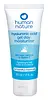
This day moisturizer is formulated around Hydrolyzed Hyaluronic Acid and Aloe Barbadensis Leaf Juice to hydrate skin.
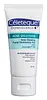
This acne moisturizer is formulated around Salicylic Acid to clear breakouts and balance excess oil.

What's inside
What's inside
 Key Ingredients
Benefits
Concerns
Ingredients Side-by-side
Water
Skin ConditioningPropanediol
Solvent

Betaine
Humectant
Glycerin
Humectant
Stearyl Alcohol
Emollient


Aloe Barbadensis Leaf Juice
Skin Conditioning
Glycine Soja Oil
Emollient




Dicaprylyl Ether
Emollient
Hydrolyzed Hyaluronic Acid
Humectant

Beta Vulgaris Root Extract
Skin ConditioningHydrolyzed Corn Starch
HumectantTapioca Starch
Xanthan Gum
EmulsifyingSclerotium Gum
Emulsion StabilisingCapryloyl Glycerin/Sebacic Acid Copolymer
Skin ConditioningDiheptyl Succinate
EmollientTocopherol
Antioxidant


Glyceryl Caprylate
EmollientCetearyl Alcohol
Emollient
Cetyl Alcohol
Emollient
Myristyl Alcohol
Emollient
Arachidyl Alcohol
Emollient
Glyceryl Stearate Citrate
Emollient
Citric Acid
Buffering
Sodium Citrate
BufferingGluconolactone
Skin Conditioning




Calcium Gluconate
HumectantParfum
Masking


Sodium Benzoate
Masking
Potassium Sorbate
Preservative
Water, Propanediol, Betaine, Glycerin, Stearyl Alcohol, Aloe Barbadensis Leaf Juice, Glycine Soja Oil, Dicaprylyl Ether, Hydrolyzed Hyaluronic Acid, Beta Vulgaris Root Extract, Hydrolyzed Corn Starch, Tapioca Starch, Xanthan Gum, Sclerotium Gum, Capryloyl Glycerin/Sebacic Acid Copolymer, Diheptyl Succinate, Tocopherol, Glyceryl Caprylate, Cetearyl Alcohol, Cetyl Alcohol, Myristyl Alcohol, Arachidyl Alcohol, Glyceryl Stearate Citrate, Citric Acid, Sodium Citrate, Gluconolactone, Calcium Gluconate, Parfum, Sodium Benzoate, Potassium Sorbate
Water
Skin ConditioningSea Water
HumectantPropylene Glycol
Humectant
Butylene Glycol
Humectant
Ethoxydiglycol
HumectantAmmonium Acryloyldimethyltaurate/Vp Copolymer
Phenoxyethanol
Preservative
Salicylic Acid
Masking

Maltooligosyl Glucoside
Skin ConditioningHydrogenated Starch Hydrolysate
HumectantXanthan Gum
EmulsifyingSodium Hydroxide
BufferingCaprylyl Glycol
Emollient
Chlorphenesin
Antimicrobial
Disodium EDTA
Aloe Barbadensis Leaf Juice
Skin Conditioning
Maltodextrin
Absorbent
Ceramide AP
Skin Conditioning
1,10-Decanediol
Solvent10-Hydroxydecanoic Acid
Skin ConditioningSebacic Acid
BufferingWater, Sea Water, Propylene Glycol, Butylene Glycol, Ethoxydiglycol, Ammonium Acryloyldimethyltaurate/Vp Copolymer, Phenoxyethanol, Salicylic Acid, Maltooligosyl Glucoside, Hydrogenated Starch Hydrolysate, Xanthan Gum, Sodium Hydroxide, Caprylyl Glycol, Chlorphenesin, Disodium EDTA, Aloe Barbadensis Leaf Juice, Maltodextrin, Ceramide AP, 1,10-Decanediol, 10-Hydroxydecanoic Acid, Sebacic Acid
Reviews
Ingredients Explained
These ingredients are found in both products.
Ingredients higher up in an ingredient list are typically present in a larger amount.
Aloe Barbadensis Leaf Juice is the filtered, stabilized liquid pressed from the inner gel of the aloe vera leaf.
In cosmetics, it shows up as either soothing active or a water-replacement base. It is roughly 98-99% water and the last 1-2% is an interesting mix of polysaccharides, amino acids, vitamins, minerals, and enzymes.
The polysaccharides do most of the work: they bind water at the skin surface for a light, non-greasy hydration boost. And one of the polysaccharides, glycomannan, is linked to fibroblast stimulation + collagen synthesis. This is also why aloe has such a long track record in wound and burn healing.
This ingredient is also calming with anti-inflammatory and mild antimicrobial activity, making it a great pick for sensitive, irritated, or post-sun skin.
Realistic expectations matter though; the solid evidence is mostly limited to hydration, soothing, and wound support. Deeper claims about anti-aging or sun protection are not well backed, and science reviews note it does not prevent radiation-induced skin injury.
Because it plays well with almost everything, it's commonly used as a base alongside other actives like niacinamide or vitamin C.
Typical usage concentrations range from 0.5% (where hydration benefits already show up) all the way to 90%+ (where it replaces water as the main base).
The safety for this ingredient is well-establish as well. Overall, this is a great supporting ingredient for those who want a boost in hydration.
Learn more about Aloe Barbadensis Leaf JuiceWater. It's the most common cosmetic ingredient of all. You'll usually see it at the top of ingredient lists, meaning that it makes up the largest part of the product.
So why is it so popular? Water most often acts as a solvent - this means that it helps dissolve other ingredients into the formulation.
You'll also recognize water as that liquid we all need to stay alive. If you see this, drink a glass of water. Remember to stay hydrated!
Learn more about WaterXanthan gum is used as a stabilizer and thickener within cosmetic products. It helps give products a sticky, thick feeling - preventing them from being too runny.
On the technical side of things, xanthan gum is a polysaccharide - a combination consisting of multiple sugar molecules bonded together.
Xanthan gum is a pretty common and great ingredient. It is a natural, non-toxic, non-irritating ingredient that is also commonly used in food products.
Learn more about Xanthan Gum


