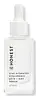
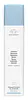
Honest Beauty Stay Hydrated Hyaluronic Acid + NMF Serum Versus Drunk Elephant B-Hydra Intensive Hydration Serum
This hydrating serum is formulated around Argania Spinosa Kernel Oil and Sodium PCA to hydrate skin and strengthen the skin barrier.
This hydrating serum is formulated around Sclerocarya Birrea Seed Oil and Panthenol to hydrate skin and strengthen the skin barrier.

What's inside
What's inside
 Key Ingredients
Benefits
Concerns
Ingredients Side-by-side
Water
Skin ConditioningArgania Spinosa Kernel Oil
Emollient







Propanediol
Solvent
Actinidia Chinensis Seed Oil
Emollient
Glycerin
Humectant
Betaine
Humectant
Serine
Masking
Alanine
Masking
Glycine
Buffering
PCA
Humectant
Threonine
Arginine
Masking
Proline
Skin Conditioning
Glutamic Acid
Humectant
Lysine Hcl
Skin Conditioning
Sodium Lactate
Buffering
Sodium PCA
Humectant
Hydrolyzed Sodium Hyaluronate
Skin Conditioning
Sodium Acetylated Hyaluronate
Humectant

Nephelium Lappaceum Peel Extract
Skin ConditioningTocopherol
Antioxidant



Trisodium Ethylenediamine Disuccinate
Chelating1,2-Hexanediol
Skin Conditioning
Caprylyl Glycol
Emollient
Hydroxyacetophenone
Antioxidant
Lysolecithin
EmulsifyingSclerotium Gum
Emulsion StabilisingXanthan Gum
EmulsifyingPullulan
Silica
Abrasive

Sodium Hydroxide
BufferingWater, Argania Spinosa Kernel Oil, Propanediol, Actinidia Chinensis Seed Oil, Glycerin, Betaine, Serine, Alanine, Glycine, PCA, Threonine, Arginine, Proline, Glutamic Acid, Lysine Hcl, Sodium Lactate, Sodium PCA, Hydrolyzed Sodium Hyaluronate, Sodium Acetylated Hyaluronate, Nephelium Lappaceum Peel Extract, Tocopherol, Trisodium Ethylenediamine Disuccinate, 1,2-Hexanediol, Caprylyl Glycol, Hydroxyacetophenone, Lysolecithin, Sclerotium Gum, Xanthan Gum, Pullulan, Silica, Sodium Hydroxide
Water
Skin ConditioningCoconut Alkanes
Emollient


Ammonium Acryloyldimethyltaurate/Vp Copolymer
Glycerin
Humectant
Pentylene Glycol
Skin Conditioning
Sclerocarya Birrea Seed Oil
Humectant
Wheat Amino Acids
Skin ConditioningAnanas Sativus Fruit Extract
Skin ConditioningBerberis Vulgaris Root Extract
AntimicrobialCitrullus Lanatus Fruit Extract
Skin Conditioning
Lens Esculenta Fruit Extract
Skin ConditioningPyrus Malus Fruit Extract
Skin Conditioning
Coco-Caprylate/Caprate
Emollient
Panthenol
Skin Conditioning
Sodium PCA
Humectant
Sodium Hyaluronate Crosspolymer
Humectant
Dipotassium Glycyrrhizate
Humectant
Niacinamide
Smoothing


Cyclodextrin
AbsorbentSodium Hyaluronate
Humectant
Sodium Lactate
Buffering
Phenoxyethanol
Preservative
Hydroxyproline
Skin ConditioningTrisodium Ethylenediamine Disuccinate
ChelatingCitric Acid
Buffering
Caprylyl Glycol
Emollient
Chlorphenesin
Antimicrobial
Ethylhexylglycerin
Skin ConditioningWater, Coconut Alkanes, Ammonium Acryloyldimethyltaurate/Vp Copolymer, Glycerin, Pentylene Glycol, Sclerocarya Birrea Seed Oil, Wheat Amino Acids, Ananas Sativus Fruit Extract, Berberis Vulgaris Root Extract, Citrullus Lanatus Fruit Extract, Lens Esculenta Fruit Extract, Pyrus Malus Fruit Extract, Coco-Caprylate/Caprate, Panthenol, Sodium PCA, Sodium Hyaluronate Crosspolymer, Dipotassium Glycyrrhizate, Niacinamide, Cyclodextrin, Sodium Hyaluronate, Sodium Lactate, Phenoxyethanol, Hydroxyproline, Trisodium Ethylenediamine Disuccinate, Citric Acid, Caprylyl Glycol, Chlorphenesin, Ethylhexylglycerin
Reviews
Ingredients Explained
These ingredients are found in both products.
Ingredients higher up in an ingredient list are typically present in a larger amount.
Caprylyl Glycol is a humectant, skin conditioner, emollient, and preservative booster derived from either caprylic acid or synthetically created.
Typical use levels vary from 0.3-1% as a preservative booster and go up to 2% to condition skin.
Because it is not a free-fatty acid, this ingredient is fungal acne safe (there's nothing for Malassezia to feed on).
Learn more about Caprylyl GlycolGlycerin (or glycerol) is a compound naturally found in your skin. It's a powerhouse humectant that pulls water into the stratum corneum.
Topically, glycerin does several things at once:
Your skin makes glycerin on its own (mostly from sebaceous oil breakdown) and shuttles it to your outermost layer of skin, or your epidermis, via aquaporin-3.
Aquaporin-3 is a transporter that is essential for normal skin hydration, elasticity, and repair. Interestingly, mice lacking in AQP3 have dry and less elastic skin that can be fully corrected with glycerin.
This ingredient is non-irritating, plays well with almost every ingredient, and works across all skin types. Typical use is anywhere between 3-10% but can go up to 79% in some leave-on products.
Just know very high concentrations (>40%) can feel tacky in low humidity.
Glycerin is the name for this ingredient in American English. British English uses Glycerol/Glycerine.
Learn more about GlycerinSodium Lactate is the sodium salt of lactic acid, an AHA. It is a humectant and sometimes used to adjust the pH of a product.
This ingredient is part of our skin's NMF, or natural moisturizing factor. Our NMF is essential for the hydration of our top skin layers and plasticity of skin. NMF also influences our skin's natural acid mantle and pH, which protects our skin from harmful bacteria.
High percentages of Sodium Lactate can have an exfoliating effect.
Fun fact: Sodium Lactate is produced from fermented sugar.
Learn more about Sodium LactateSodium PCA (the salt of PCA) is one of the most well-established humectants in skincare.
Why is it so special? Your skin already makes it naturally; it's a natural component of your skin's Natural Moisturizing Factor (NMF), or the mix of water-binding compounds inside your skin cells that keeps things soft and hydrated.
As a cosmetic ingredient, it grabs water and holds it in the upper layers of skin to smooth roughness and ease dehydration.
There's some clinical support for the NMF approach with a study showing that a cream built to mimic the skin's NMF significantly boosted hydration.
Safety-wise, this ingredient non-irritating, non-comedogenic, and non-phototoxic in testing, with minimal skin absorption.
It also works really well with other hydrators like glycerin or hyaluronic acid, and typical usage is somewhere between 0.2-4%.
Learn more about Sodium PCATrisodium Ethylenediamine Disuccinate is used to help stabilize a product.
It is a chelating agent, meaning it helps prevent metal ions from binding to other ingredients. This prevents unwanted reactions in products. Metal ions can come into a product via the water ingredient. They are found in trace amounts and are not known to be harmful.
Water. It's the most common cosmetic ingredient of all. You'll usually see it at the top of ingredient lists, meaning that it makes up the largest part of the product.
So why is it so popular? Water most often acts as a solvent - this means that it helps dissolve other ingredients into the formulation.
You'll also recognize water as that liquid we all need to stay alive. If you see this, drink a glass of water. Remember to stay hydrated!
Learn more about Water

