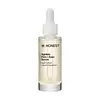
This anti-aging serum is formulated around Niacinamide to soften the look of wrinkles and fade the look of dark spots.
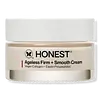
This moisturizer is formulated around Helianthus Annuus Seed Oil to hydrate skin.

What's inside
What's inside
 Key Ingredients
Benefits
Concerns
Ingredients Side-by-side
Water
Skin ConditioningPropanediol
Solvent

Glycerin
Humectant
Pyrus Malus Fruit Extract
Skin Conditioning
Niacinamide
Smoothing









Sh-Polypeptide-121
Skin Conditioning
Sh-Polypeptide-50
Skin Conditioning
Hydrolyzed Sodium Hyaluronate
Skin Conditioning
Sodium Acetylated Hyaluronate
Humectant
Saccharomyces/Sugarcane Juice Extract Ferment Extract
Skin Conditioning

Leucojum Aestivum Bulb Extract
Skin ProtectingPancratium Maritimum Extract
BleachingHydroxyethylcellulose
Emulsion Stabilising1,2-Hexanediol
Skin Conditioning
Caprylhydroxamic Acid
ChelatingTrisodium Ethylenediamine Disuccinate
ChelatingPotassium Sorbate
Preservative
Citric Acid
Buffering
Sodium Benzoate
Masking
Sodium Hydroxide
BufferingSodium Nitrate
SoothingWater, Propanediol, Glycerin, Pyrus Malus Fruit Extract, Niacinamide, Sh-Polypeptide-121, Sh-Polypeptide-50, Hydrolyzed Sodium Hyaluronate, Sodium Acetylated Hyaluronate, Saccharomyces/Sugarcane Juice Extract Ferment Extract, Leucojum Aestivum Bulb Extract, Pancratium Maritimum Extract, Hydroxyethylcellulose, 1,2-Hexanediol, Caprylhydroxamic Acid, Trisodium Ethylenediamine Disuccinate, Potassium Sorbate, Citric Acid, Sodium Benzoate, Sodium Hydroxide, Sodium Nitrate
Water
Skin ConditioningHelianthus Annuus Seed Oil
Emollient
Brassica Alcohol
Emollient
Glycerin
Humectant
Isostearyl Hydroxystearate
EmollientCaprylic/Capric Triglyceride
Masking
Butyrospermum Parkii Butter
Skin Conditioning


Cetyl Alcohol
Emollient
Cetearyl Olivate
Sorbitan Olivate
Emulsifying
Propanediol
Solvent
Dimethicone
Emollient
Magnesium Aluminum Silicate
Absorbent
Sh-Polypeptide-121
Skin Conditioning
Sh-Polypeptide-50
Skin Conditioning
Hydrolyzed Sodium Hyaluronate
Skin Conditioning
Sodium Acetylated Hyaluronate
Humectant
Saccharomyces/Sugarcane Juice Extract Ferment Extract
Skin Conditioning
Thymus Vulgaris Flower/Leaf Extract
MaskingXanthan Gum
EmulsifyingLecithin
Emollient
Tocopherol
Antioxidant

Xylitol
Humectant
Cetyl Palmitate
Emollient
Sorbitan Palmitate
Emulsifying
Caprylic Acid
CleansingMyristyl Alcohol
Emollient
Stearyl Alcohol
Emollient
Lauryl Alcohol
Emollient
1,2-Hexanediol
Skin Conditioning
Caprylhydroxamic Acid
ChelatingIsostearyl Alcohol
Emollient
Hydroxystearic Acid
Cleansing
Citric Acid
Buffering
Trisodium Ethylenediamine Disuccinate
ChelatingPotassium Sorbate
Preservative
Sodium Benzoate
Masking
Water, Helianthus Annuus Seed Oil, Brassica Alcohol, Glycerin, Isostearyl Hydroxystearate, Caprylic/Capric Triglyceride, Butyrospermum Parkii Butter, Cetyl Alcohol, Cetearyl Olivate, Sorbitan Olivate, Propanediol, Dimethicone, Magnesium Aluminum Silicate, Sh-Polypeptide-121, Sh-Polypeptide-50, Hydrolyzed Sodium Hyaluronate, Sodium Acetylated Hyaluronate, Saccharomyces/Sugarcane Juice Extract Ferment Extract, Thymus Vulgaris Flower/Leaf Extract, Xanthan Gum, Lecithin, Tocopherol, Xylitol, Cetyl Palmitate, Sorbitan Palmitate, Caprylic Acid, Myristyl Alcohol, Stearyl Alcohol, Lauryl Alcohol, 1,2-Hexanediol, Caprylhydroxamic Acid, Isostearyl Alcohol, Hydroxystearic Acid, Citric Acid, Trisodium Ethylenediamine Disuccinate, Potassium Sorbate, Sodium Benzoate
Ingredients Explained
These ingredients are found in both products.
Ingredients higher up in an ingredient list are typically present in a larger amount.
1,2-Hexanediol is a synthetic liquid and another multi-functional powerhouse.
It is a:
- Humectant, drawing moisture into the skin
- Emollient, helping to soften skin
- Solvent, dispersing and stabilizing formulas
- Preservative booster, enhancing the antimicrobial activity of other preservatives
Caprylhydroxamic Acid is a chelating agent that helps cosmetics stay fresh, stable, and consistent over time.
Chelating agents help prevent metal ions from binding to other ingredients. This helps prevent unwanted reactions and effects from using the product. It also helps prevent the growth of unwanted microbes in products that contain water.
Caprylhydroxamic Acid is often used with natural antimicrobial products as an alternative to preservatives.
Learn more about Caprylhydroxamic AcidCitric Acid is an alpha hydroxy acid (AHA) naturally found in citrus fruits like oranges, lemons, and limes.
Like other AHAs, citric acid can exfoliate skin by breaking down the bonds that hold dead skin cells together. This helps reveal smoother and brighter skin underneath.
However, this exfoliating effect only happens at high concentrations (20%) which can be hard to find in cosmetic products.
Due to this, citric acid is usually included in small amounts as a pH adjuster. This helps keep products slightly more acidic and compatible with skin's natural pH.
In skincare formulas, citric acid can:
While it can provide some skin benefits, research shows lactic acid and glycolic acid are generally more effective and less irritating exfoliants.
Most citric acid used in skincare today is made by fermenting sugars (usually from molasses). This synthetic version is identical to the natural citrus form but easier to stabilize and use in formulations.
Rosacea skin has a lower threshold for acids generally, with 62.5% of rosacea subjects in one study reacting to lactic acid in a sting test. This is why we mark citric acid as a potential rosacea trigger.
However, this ingredient shows up as a pH adjuster or chelator at roughly 0.1-1% in many products. These low levels are unlikely to be an issue for rosacea skin and becomes a potential trigger at exfoliating concentrations (20%). Because everybody's skin is unique, we recommend a patch test if you are unsure.
Learn more about Citric AcidGlycerin (or glycerol) is a compound naturally found in your skin. It's a powerhouse humectant that pulls water into the stratum corneum.
Topically, glycerin does several things at once:
Your skin makes glycerin on its own (mostly from sebaceous oil breakdown) and shuttles it to your outermost layer of skin, or your epidermis, via aquaporin-3.
Aquaporin-3 is a transporter that is essential for normal skin hydration, elasticity, and repair. Interestingly, mice lacking in AQP3 have dry and less elastic skin that can be fully corrected with glycerin.
This ingredient is non-irritating, plays well with almost every ingredient, and works across all skin types. Typical use is anywhere between 3-10% but can go up to 79% in some leave-on products.
Just know very high concentrations (>40%) can feel tacky in low humidity.
Glycerin is the name for this ingredient in American English. British English uses Glycerol/Glycerine.
Learn more about GlycerinThis ingredient is created by putting sodium hyaluronate through hydrolysis.
You might know this as 'mini' or 'ultra low-molecular weight' hyaluronic acid. The small molecule size means it is able to travel deeper in the skin.
According to studies, low molecular-weight hyaluronic acid can:
One study from 2011 found ultra-low weight HA to show pro-inflammatory properties. Another study from 2022 found it to downregulate UV-B induced inflammation.
Hydrolysis is a process of changing a molecule using water or enzymes.
This ingredient is water-soluble.
Learn more about Hydrolyzed Sodium HyaluronatePotassium Sorbate is a preservative used to prevent yeast and mold in products. It is commonly found in both cosmetic and food products.
This ingredient comes from potassium salt derived from sorbic acid. Sorbic acid is a natural antibiotic and effective against fungus.
Both potassium sorbate and sorbic acid can be found in baked goods, cheeses, dried meats, dried fruit, ice cream, pickles, wine, yogurt, and more.
You'll often find this ingredient used with other preservatives.
Learn more about Potassium SorbatePropanediol is an all-star ingredient. It softens, hydrates, and smooths the skin.
It’s often used to:
Propanediol is not likely to cause sensitivity and considered safe to use. It is derived from corn or petroleum with a clear color and no scent.
Learn more about PropanediolSh-Polypeptide-121 is a peptide.
Sh-Polypeptide-50 is a peptide.
Sodium Acetylated Hyaluronate is a type of Hyaluronic Acid.
Hyaluronic Acids help moisturize, soothe, and protect the skin.
Read about common types of Hyaluronic Acid here:
Learn more about Sodium Acetylated HyaluronateSodium Benzoate is a preservative. It's used in both cosmetic and food products to inhibit the growth of mold and bacteria. It is typically produced synthetically.
Both the US FDA and EU Health Committee have approved the use of sodium benzoate. In the US, levels of 0.1% (of the total product) are allowed.
Sodium benzoate works as a preservative by inhibiting the growth of bacteria inside of cells. It prevents the cell from fermenting a type of sugar using an enzyme called phosphofructokinase.
It is the salt of benzoic acid. Foods containing sodium benzoate include soda, salad dressings, condiments, fruit juices, wines, and snack foods.
Studies for using ascorbic acid and sodium benzoate in cosmetics are lacking, especially in skincare routines with multiple steps.
We always recommend speaking with a professional, such as a dermatologist, if you have any concerns.
Learn more about Sodium BenzoateTrisodium Ethylenediamine Disuccinate is used to help stabilize a product.
It is a chelating agent, meaning it helps prevent metal ions from binding to other ingredients. This prevents unwanted reactions in products. Metal ions can come into a product via the water ingredient. They are found in trace amounts and are not known to be harmful.
Water. It's the most common cosmetic ingredient of all. You'll usually see it at the top of ingredient lists, meaning that it makes up the largest part of the product.
So why is it so popular? Water most often acts as a solvent - this means that it helps dissolve other ingredients into the formulation.
You'll also recognize water as that liquid we all need to stay alive. If you see this, drink a glass of water. Remember to stay hydrated!
Learn more about WaterSaccharomyces/Sugarcane Juice Extract Ferment Extract isn't fungal acne safe.


