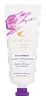
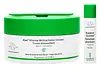
HoliFrog Kissimmee Vitamin F Cleansing Balm Versus Drunk Elephant Slaai™ Makeup-Melting Butter Cleanser
This oil-based makeup remover is made to dissolve makeup, sunscreen, and daily buildup.
This oil-based makeup remover is made to dissolve makeup, sunscreen, and daily buildup.

What's inside
What's inside
 Key Ingredients
Benefits
Concerns
Ingredients Side-by-side
Helianthus Annuus Flower
Skin ConditioningVitis Vinifera Seed Oil
Emollient




Glycerin
Humectant

Caprylic/Capric Triglyceride
Masking
Water
Skin ConditioningSucrose Laurate
Emollient
Sodium Stearoyl Lactylate
EmulsifyingSorbitan Oleate
Emulsifying

Caprylyl Caprylate/Caprate
Emollient
Sclerocarya Birrea Seed Oil
Humectant
Simmondsia Chinensis Seed Oil
Emollient
Carica Papaya Seed Oil
Humectant
Vaccinium Macrocarpon Seed Oil
Skin Conditioning
Moringa Oleifera Seed Oil
Emollient
Schinziophyton Rautanenii Kernel Oil
Emollient
Persea Gratissima Oil
Skin Conditioning
Centella Asiatica Extract
Cleansing

Linoleic Acid
Cleansing
Linolenic Acid
Cleansing

Ubiquinone
Antioxidant
Ginkgo Biloba Leaf Extract
Skin Conditioning
Carum Petroselinum Extract
Skin ConditioningCamellia Sinensis Leaf Extract
Antimicrobial


Tocopherol
Antioxidant
Helianthus Annuus Flower, Vitis Vinifera Seed Oil, Glycerin, Caprylic/Capric Triglyceride, Water, Sucrose Laurate, Sodium Stearoyl Lactylate, Sorbitan Oleate, Caprylyl Caprylate/Caprate, Sclerocarya Birrea Seed Oil, Simmondsia Chinensis Seed Oil, Carica Papaya Seed Oil, Vaccinium Macrocarpon Seed Oil, Moringa Oleifera Seed Oil, Schinziophyton Rautanenii Kernel Oil, Persea Gratissima Oil, Centella Asiatica Extract, Linoleic Acid, Linolenic Acid, Ubiquinone, Ginkgo Biloba Leaf Extract, Carum Petroselinum Extract, Camellia Sinensis Leaf Extract, Tocopherol
Ethylhexyl Palmitate
Emollient
Caprylic/Capric Triglyceride
Masking
Carthamus Tinctorius Seed Oil
Masking
Lauryl Laurate
Skin Conditioning
Polyglyceryl-3 Laurate
EmulsifyingPolyhydroxystearic Acid
Emulsifying
Helianthus Annuus Seed Wax
Skin Conditioning
Polyglyceryl-10 Laurate
Skin Conditioning
Sclerocarya Birrea Seed Oil
Humectant
Euterpe Oleracea Fruit Oil
Skin Conditioning
Actinidia Chinensis Fruit Extract
EmollientFragaria Ananassa Seed Extract
Antioxidant
Vaccinium Macrocarpon Seed Oil
Skin Conditioning
Borago Officinalis Seed Oil
Emollient
Adansonia Digitata Seed Oil
Emollient
Polyglyceryl-2 Caprate
EmulsifyingCitrullus Lanatus Seed Oil
Emollient
Prunus Amygdalus Dulcis Oil
Skin Conditioning
Schinziophyton Rautanenii Kernel Oil
Emollient
Vaccinium Angustifolium Fruit Extract
Skin Protecting
Ximenia Americana Seed Oil
Emollient
Tocopherol
Antioxidant
Glycerin
Humectant
Ethylhexyl Palmitate, Caprylic/Capric Triglyceride, Carthamus Tinctorius Seed Oil, Lauryl Laurate, Polyglyceryl-3 Laurate, Polyhydroxystearic Acid, Helianthus Annuus Seed Wax, Polyglyceryl-10 Laurate, Sclerocarya Birrea Seed Oil, Euterpe Oleracea Fruit Oil, Actinidia Chinensis Fruit Extract, Fragaria Ananassa Seed Extract, Vaccinium Macrocarpon Seed Oil, Borago Officinalis Seed Oil, Adansonia Digitata Seed Oil, Polyglyceryl-2 Caprate, Citrullus Lanatus Seed Oil, Prunus Amygdalus Dulcis Oil, Schinziophyton Rautanenii Kernel Oil, Vaccinium Angustifolium Fruit Extract, Ximenia Americana Seed Oil, Tocopherol, Glycerin
Reviews
Ingredients Explained
These ingredients are found in both products.
Ingredients higher up in an ingredient list are typically present in a larger amount.
Caprylic/Capric Triglyceride (aka MCT Oil) is a lightweight emollient, solvent, and texture enhancer. It is considered a skin-softener by helping to prevent moisture loss.
Though it behaves like an oil, it is not technically one due to its chemical composition. One perk of this ingredient is that it is very stable, resistant to oxidation, and unlikely to go rancid.
In practice, that translates to a long shelf life and a consistently elegant skin feel.
While there is an assumption Caprylic Triglyceride can clog pores due to it being derived from coconut oil, there is no research supporting this. Just patch test if you have concerns.
Fractionated coconut oil and MCT Oil are both listed as Caprylic/Capric Triglyceride according to INCI. This is because INCI names are based on the ingredient’s final chemical composition and not its marketing name or source.
This ingredient is treated as the gold standard fungal acne safe oil. Even though it is coconut derived, the problematic lauric acid is stripped out.
This leaves just caprylic (C8) and capric (C10) acid. These chain lengths actually trend antifungal; a 2020 study found caprylic acid was enough to disrupt Malassezia furfur cell membrane, with a caprylic acid derivative damaging membrane structures at concentrations as low as 0.2%.
Learn more about Caprylic/Capric TriglycerideGlycerin (or glycerol) is a compound naturally found in your skin. It's a powerhouse humectant that pulls water into the stratum corneum.
Topically, glycerin does several things at once:
Your skin makes glycerin on its own (mostly from sebaceous oil breakdown) and shuttles it to your outermost layer of skin, or your epidermis, via aquaporin-3.
Aquaporin-3 is a transporter that is essential for normal skin hydration, elasticity, and repair. Interestingly, mice lacking in AQP3 have dry and less elastic skin that can be fully corrected with glycerin.
This ingredient is non-irritating, plays well with almost every ingredient, and works across all skin types. Typical use is anywhere between 3-10% but can go up to 79% in some leave-on products.
Just know very high concentrations (>40%) can feel tacky in low humidity.
Glycerin is the name for this ingredient in American English. British English uses Glycerol/Glycerine.
Learn more about GlycerinSchinziophyton Rautanenii Kernel Oil is an oil and isn't fungal acne safe.
Sclerocarya Birrea Seed Oil (aka marula oil) is a skin hydrating ingredient.
Its fatty acid profile is dominated by oleic acid (~69%), palmitic acid (~15%), linoleic acid (~9%), and palmitoleic acid (~4%).
These fatty acids are very similar to those naturally found in the epidermis, making this oil biomimetic; basically, your skin recognizes it.
Clinical testing found this ingredient to be moisturizing and non-irritating, with noteworthy effects on reducing transepidermal water loss (TEWL).
Besides fatty acids, marula oil is also rich in oxidative stabilizers like vitamin E, vitamin C precursors, and polyphenols. This gives it excellent shelf stability compared to most facial oils.
This is a great ingredient for dry, dull, or barrier-compromised skin.
Just know it may not be fungal acne safe due to the oleic and palmitic acid content. These fatty acids can as as a food source for the Malassezia yeast.
This ingredient shows up on a lot of "pore-clogging" lists but there's no real evidence behind that. It doesn't even have a comedogenic rating from an actual study; the numbers you'll find online come from blogs citing other blogs.
Some people still find it breaks them out. So if that's you, definitely trust your skin.
Learn more about Sclerocarya Birrea Seed OilTocopherol is a fat-soluble antioxidant known as Vitamin E.
You'll find this ingredient in the vast majority of skincare (for good reason). It works to neutralize free radicals, or unstable molecules generated by UV exposure, pollution, and other environmental stressors, before they can cause oxidative damage to your skin cells.
Topically applied tocopherol has been shown to protect against UV damage by ramping up the skin's own natural defense enzymes.
It also acts as a skin conditioning agent; some studies show that regular topical use can improve the skin's water-binding capacity over 2-4 weeks.
This ingredient is especially loved for being a team player. When combined with Vitamin C, the photoprotective effect of both ingredients roughly doubles and the combo also helps reduce UV-induced DNA damage.
This ingredient has some brightening potential but it's more of a prevention ingredient than spot-fader. Cell studies show it can slow down melanin production but it's worth noting that it's not the most powerful brightener out there.
In formulations, it also serves as a stabilizer that helps protect other oxidation-prone ingredients from degrading.
Concentrations usually range from 0.1-1% in most leave-on products.
Learn more about TocopherolThis is a yellow-greenish oil cold-pressed from cranberry sides that's packed with a balanced 1:1 ratio of omega-3 (linolenic acid) and omega-6 (linolenic acid) fatty acids at around 30-38%.
There's also a solid dose of skin-nourishing omega-9, vitamin E, and polyphenols.
In cosmetics, it functions as an emollient with real staying power for hydration and barrier support.
Studies show it reduces oxidative stress in cells, lowers inflammatory markers, and has wound-healing potential that outperformed standard treatments in animal models.
It's also been shown to have antimicrobial properties against problematic bacteria while promoting beneficial skin flora.
Allergic reactions are rare but patch testing is a good idea if you have sensitive skin or fruit allergies.
Typical use concentrations are usually 2-20%.
Learn more about Vaccinium Macrocarpon Seed Oil

