
What's inside
What's inside
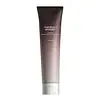 Key Ingredients
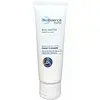
No key ingredients
Benefits
Concerns
Ingredients Side-by-side
Water
Skin ConditioningGlycerin
Humectant



Coco-Betaine
CleansingPropanediol
Solvent
Pentylene Glycol
Skin ConditioningSodium Chloride
Masking


1,2-Hexanediol
Skin Conditioning
Xanthan Gum
EmulsifyingHydroxyethylcellulose
Emulsion StabilisingPotassium Cocoyl Glycinate
Potassium Cocoate
Emulsifying
Oryza Sativa Extract
Absorbent


Phyllostachys Pubescens Shoot Bark Extract
Skin ConditioningPanax Ginseng Root Extract
Emollient
Aspergillus Ferment Extract Filtrate
HumectantBeta-Glucan
Skin Conditioning
Butylene Glycol
Humectant
Trehalose
Humectant
Citric Acid
Buffering



Cyclodextrin
AbsorbentZanthoxylum Piperitum Fruit Extract
Skin ConditioningPulsatilla Koreana Extract
Skin ConditioningUsnea Barbata Extract
Ethylhexylglycerin
Skin ConditioningWater, Glycerin, Coco-Betaine, Propanediol, Pentylene Glycol, Sodium Chloride, 1,2-Hexanediol, Xanthan Gum, Hydroxyethylcellulose, Potassium Cocoyl Glycinate, Potassium Cocoate, Oryza Sativa Extract, Phyllostachys Pubescens Shoot Bark Extract, Panax Ginseng Root Extract, Aspergillus Ferment Extract Filtrate, Beta-Glucan, Butylene Glycol, Trehalose, Citric Acid, Cyclodextrin, Zanthoxylum Piperitum Fruit Extract, Pulsatilla Koreana Extract, Usnea Barbata Extract, Ethylhexylglycerin
Water
Skin ConditioningGlycerin
Humectant
Palmitic Acid
Emollient

Stearic Acid
Cleansing
Myristic Acid
Cleansing
Lauric Acid
Cleansing
Tea-Lauroyl Collagen Amino Acids
Cleansing
Potassium Hydroxide
BufferingGlycol Stearate
Emollient
Ceteareth-25
CleansingGlyceryl Stearate
Emollient
Polyquaternium-43
Niacinamide
Smoothing

Panthenol
Skin Conditioning
Euglena Gracilis Extract
Skin ConditioningTocopherol
Antioxidant

Parfum
Masking

Hydroxyethylcellulose
Emulsion StabilisingSodium Hyaluronate
Humectant
BHT
Antioxidant
Arbutin
Antioxidant
Pentylene Glycol
Skin ConditioningCaprylyl Glycol
Emollient
Ethylhexylglycerin
Skin ConditioningDisodium EDTA
Water, Glycerin, Palmitic Acid, Stearic Acid, Myristic Acid, Lauric Acid, Tea-Lauroyl Collagen Amino Acids, Potassium Hydroxide, Glycol Stearate, Ceteareth-25, Glyceryl Stearate, Polyquaternium-43, Niacinamide, Panthenol, Euglena Gracilis Extract, Tocopherol, Parfum, Hydroxyethylcellulose, Sodium Hyaluronate, BHT, Arbutin, Pentylene Glycol, Caprylyl Glycol, Ethylhexylglycerin, Disodium EDTA
Reviews
Ingredients Explained
These ingredients are found in both products.
Ingredients higher up in an ingredient list are typically present in a larger amount.
Ethylhexylglycerin (we can't pronounce this either) is commonly used as a preservative and skin softener. It is derived from glyceryl.
You might see Ethylhexylglycerin often paired with other preservatives such as phenoxyethanol. Ethylhexylglycerin has been found to increase the effectiveness of these other preservatives.
Glycerin is already naturally found in your skin. It helps moisturize and protect your skin.
A study from 2016 found glycerin to be more effective as a humectant than AHAs and hyaluronic acid.
As a humectant, it helps the skin stay hydrated by pulling moisture to your skin. The low molecular weight of glycerin allows it to pull moisture into the deeper layers of your skin.
Hydrated skin improves your skin barrier; Your skin barrier helps protect against irritants and bacteria.
Glycerin has also been found to have antimicrobial and antiviral properties. Due to these properties, glycerin is often used in wound and burn treatments.
In cosmetics, glycerin is usually derived from plants such as soybean or palm. However, it can also be sourced from animals, such as tallow or animal fat.
This ingredient is organic, colorless, odorless, and non-toxic.
Glycerin is the name for this ingredient in American English. British English uses Glycerol/Glycerine.
Learn more about GlycerinHydroxyethylcellulose is used to improve the texture of products. It is created from a chemical reaction involving ethylene oxide and alkali-cellulose. Cellulose is a sugar found in plant cell walls and help give plants structure.
This ingredient helps stabilize products by preventing ingredients from separating. It can also help thicken the texture of a product.
This ingredient can also be found in pill medicines to help our bodies digest other ingredients.
Learn more about HydroxyethylcellulosePentylene glycol is typically used within a product to thicken it. It also adds a smooth, soft, and moisturizing feel to the product. It is naturally found in plants such as sugar beets.
The hydrophilic trait of Pentylene Glycol makes it a humectant. As a humectant, Pentylene Glycol helps draw moisture from the air to your skin. This can help keep your skin hydrated.
This property also makes Pentylene Glycol a great texture enhancer. It can also help thicken or stabilize a product.
Pentylene Glycol also acts as a mild preservative and helps to keep a product microbe-free.
Some people may experience mild eye and skin irritation from Pentylene Glycol. We always recommend speaking with a professional about using this ingredient in your routine.
Pentylene Glycol has a low molecular weight and is part of the 1,2-glycol family.
Learn more about Pentylene GlycolWater. It's the most common cosmetic ingredient of all. You'll usually see it at the top of ingredient lists, meaning that it makes up the largest part of the product.
So why is it so popular? Water most often acts as a solvent - this means that it helps dissolve other ingredients into the formulation.
You'll also recognize water as that liquid we all need to stay alive. If you see this, drink a glass of water. Stay hydrated!
Learn more about Water
