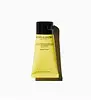
This mineral sunscreen covers the full UV range and blocks ~97% of UVB at SPF 30.
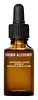
This barrier-repair serum is formulated around Niacinamide and Saccharide Isomerate to strengthen the skin barrier and refine skin texture.

What's inside
What's inside
 Key Ingredients
Benefits
Concerns
Ingredients Side-by-side
Zinc Oxide
Cosmetic Colorant


Caprylic/Capric Triglyceride
Masking


Ricinus Communis Seed Oil
Masking



Rosa Canina Fruit Oil
Emollient
Lavandula Angustifolia Oil
Masking


Zinc Oxide, Caprylic/Capric Triglyceride, Ricinus Communis Seed Oil, Rosa Canina Fruit Oil, Lavandula Angustifolia Oil, Carum Petroselinum Seed Oil, Sodium Hyaluronate, Euphorbia Cerifera Wax, Coco-Caprylate/Caprate, Polyglyceryl-3 Polyricinoleate, Cocos Nucifera Oil, Tocopheryl Acetate, Isostearic Acid, Linalool
Water
Skin ConditioningGlycerin
Humectant
Niacinamide
Smoothing








Saccharide Isomerate
Humectant
Sodium Hyaluronate
Humectant
Butylene Glycol
Humectant
Fructose
Humectant
Levulinic Acid
Perfuming
Polyglyceryl-4 Caprate
EmulsifyingSodium Levulinate
Skin ConditioningSodium Phytate
ChelatingSodium Benzoate
Masking
Echinacea Purpurea Extract
MoisturisingPanthenol
Skin Conditioning
Potassium Sorbate
Preservative
Withania Somnifera Root Extract
Skin Conditioning
Aloe Barbadensis Leaf Juice
Skin Conditioning
Pelargonium Graveolens Oil
Masking
Citric Acid
Buffering
Sodium Citrate
BufferingTocopherol
Antioxidant

Cedrus Atlantica Bark Oil
Masking
Cananga Odorata Flower Oil
Masking
Glycine Soja Oil
Emollient

Oligopeptide-1
Skin Conditioning
Citronellol
Perfuming
Geraniol
Perfuming
Linalool
Perfuming
Water, Glycerin, Niacinamide, Saccharide Isomerate, Sodium Hyaluronate, Butylene Glycol, Fructose, Levulinic Acid, Polyglyceryl-4 Caprate, Sodium Levulinate, Sodium Phytate, Sodium Benzoate, Echinacea Purpurea Extract, Panthenol, Potassium Sorbate, Withania Somnifera Root Extract, Aloe Barbadensis Leaf Juice, Pelargonium Graveolens Oil, Citric Acid, Sodium Citrate, Tocopherol, Cedrus Atlantica Bark Oil, Cananga Odorata Flower Oil, Glycine Soja Oil, Oligopeptide-1, Citronellol, Geraniol, Linalool
Ingredients Explained
These ingredients are found in both products.
Ingredients higher up in an ingredient list are typically present in a larger amount.
Linalool is a small, naturally occurring scent molecule found in plants like lavender, coriander, bergamot, and more.
It is one of the two most-used fragrance ingredients in cosmetics and added purely for smell. Since it's not used for a skin benefit, there's no "effective dose". Concentration depends on the fragrance load of the product.
The EU requires it to be named on the label above 0.001% in leave-on and 0.01% in rinse-off products.
Fresh linalool is a weak sensitizer but air exposure turns some of it into hydroperoxides, which are strong sensitizers. Those oxidation products are the actual allergy concern.
Patch-test clinics see positive reactions to linalool hydroperoxides in about 4% to 12% of dermatitis patients depending on country and test concentration.
Resassuringly, one analytical study found hydroperoxide levels in real fragranced products to be orders of magnitude below what induced sensitization in animal studies with no evidence of oxidation building up during normal storage.
The practical takeaway is that linalool is fine for most people but worth avoiding if you have a confirmed fragrance contact allergy or a badly compromised barrier.
Products stored a long time after opening are also the high-risk scenario since that is when oxidation happens.
The scent of linalool is described as floral, spicy tropical, and citrus-like.
Learn more about LinaloolSodium Hyaluronate is the salt form of hyaluronic acid. It is a long sugar chain that is naturally found in your skin, joints, and connective tissue that maintains hydration and elasticity.
In skincare, it works as a humectant. It pulls water from the environment and deeper layers of skin and binds it to the surface.
Interestingly, the size of the molecule affects its behavior:
Some clinical evidence links low molecular weight versions to improved wrinkle depth, elasticity, anti-inflammatory effects, and barrier repair.
Many serums use a blend of both weights so you can get surface hydration plus longer-lasting and deeper effects.
You'll typically see concentrations between 0.1-2% for this ingredient.
Learn more about Sodium Hyaluronate

