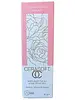
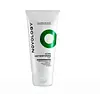
Grace Derma Healthcare Cerasoft OC Moisturizer For Oily Skin Versus Novology Acne Light Moisturizing Gel
This oil-control moisturizer is formulated around Salicylic Acid and Zinc PCA to balance excess oil and clear breakouts.
This acne moisturizer is formulated around Niacinamide and Panthenol to clear breakouts and hydrate skin.

What's inside
What's inside
 Key Ingredients
Benefits
Concerns
Ingredients Side-by-side
Water
Skin ConditioningCaprylic/Capric Triglyceride
Masking


Lecithin
Emollient
Saccharide Isomerate
Humectant
Citric Acid
Buffering


Sodium Citrate
BufferingSalicylic Acid
Masking








Ascorbic Acid
Antioxidant




Cinnamomum Zeylanicum Bark Extract
Antimicrobial
Capryloyl Glycine
CleansingSalix Alba Bark Extract
Astringent
Zinc PCA
Humectant
Curcuma Longa Root Extract
Antioxidant
Sodium Acrylates Copolymer
Sodium Lactate
Buffering
Zingiber Officinale Extract
Skin ConditioningEthylhexylglycerin
Skin ConditioningPhenoxyethanol
Preservative
Sodium Gluconate
ChelatingMelaleuca Alternifolia Leaf Oil
Antioxidant

Water, Caprylic/Capric Triglyceride, Lecithin, Saccharide Isomerate, Citric Acid, Sodium Citrate, Salicylic Acid, Ascorbic Acid, Cinnamomum Zeylanicum Bark Extract, Capryloyl Glycine, Salix Alba Bark Extract, Zinc PCA, Curcuma Longa Root Extract, Sodium Acrylates Copolymer, Sodium Lactate, Zingiber Officinale Extract, Ethylhexylglycerin, Phenoxyethanol, Sodium Gluconate, Melaleuca Alternifolia Leaf Oil
Water
Skin ConditioningDimethicone
Emollient
Butylene Glycol
Humectant
Glycerin
Humectant
Niacinamide
Smoothing
Panthenol
Skin Conditioning
Ammonium Acryloyldimethyltaurate/Vp Copolymer
Phenoxyethanol
Preservative
Palmitic Acid
Emollient


Stearic Acid
Cleansing
Caprylic/Capric Triglyceride
Masking
Ammonium Acryloyldimethyltaurate/Beheneth-25 Methacrylate Crosspolymer
Emulsion StabilisingPentylene Glycol
Skin Conditioning
Linoleamidopropyl Pg-Dimonium Chloride Phosphate
Propylene Glycol
Humectant
Tocopheryl Acetate
Antioxidant
Sodium PCA
Humectant
Sodium Acetylated Hyaluronate
Humectant
Sodium Hyaluronate
Humectant
Sodium Hyaluronate Crosspolymer
Humectant
Hydrolyzed Sodium Hyaluronate
Skin Conditioning
BHT
Antioxidant
Triethanolamine
BufferingDisodium EDTA
ChelatingPEG-4
HumectantPEG-4 Dilaurate
Emulsifying
PEG-4 Laurate
Emulsifying
Hydroxystearic Acid
Cleansing
Iodopropynyl Butylcarbamate
Preservative
Ethylhexylglycerin
Skin ConditioningSaccharide Isomerate
Humectant
Citric Acid
Buffering
Sodium Citrate
BufferingWater, Dimethicone, Butylene Glycol, Glycerin, Niacinamide, Panthenol, Ammonium Acryloyldimethyltaurate/Vp Copolymer, Phenoxyethanol, Palmitic Acid, Stearic Acid, Caprylic/Capric Triglyceride, Ammonium Acryloyldimethyltaurate/Beheneth-25 Methacrylate Crosspolymer, Pentylene Glycol, Linoleamidopropyl Pg-Dimonium Chloride Phosphate, Propylene Glycol, Tocopheryl Acetate, Sodium PCA, Sodium Acetylated Hyaluronate, Sodium Hyaluronate, Sodium Hyaluronate Crosspolymer, Hydrolyzed Sodium Hyaluronate, BHT, Triethanolamine, Disodium EDTA, PEG-4, PEG-4 Dilaurate, PEG-4 Laurate, Hydroxystearic Acid, Iodopropynyl Butylcarbamate, Ethylhexylglycerin, Saccharide Isomerate, Citric Acid, Sodium Citrate
Ingredients Explained
These ingredients are found in both products.
Ingredients higher up in an ingredient list are typically present in a larger amount.
Caprylic/Capric Triglyceride (aka MCT Oil) is a lightweight emollient, solvent, and texture enhancer. It is considered a skin-softener by helping to prevent moisture loss.
Though it behaves like an oil, it is not technically one due to its chemical composition. One perk of this ingredient is that it is very stable, resistant to oxidation, and unlikely to go rancid.
In practice, that translates to a long shelf life and a consistently elegant skin feel.
While there is an assumption Caprylic Triglyceride can clog pores due to it being derived from coconut oil, there is no research supporting this. Just patch test if you have concerns.
Fractionated coconut oil and MCT Oil are both listed as Caprylic/Capric Triglyceride according to INCI. This is because INCI names are based on the ingredient’s final chemical composition and not its marketing name or source.
This ingredient is treated as the gold standard fungal acne safe oil. Even though it is coconut derived, the problematic lauric acid is stripped out.
This leaves just caprylic (C8) and capric (C10) acid. These chain lengths actually trend antifungal; a 2020 study found caprylic acid was enough to disrupt Malassezia furfur cell membrane, with a caprylic acid derivative damaging membrane structures at concentrations as low as 0.2%.
Learn more about Caprylic/Capric TriglycerideCitric Acid is an alpha hydroxy acid (AHA) naturally found in citrus fruits like oranges, lemons, and limes.
Like other AHAs, citric acid can exfoliate skin by breaking down the bonds that hold dead skin cells together. This helps reveal smoother and brighter skin underneath.
However, this exfoliating effect only happens at high concentrations (20%) which can be hard to find in cosmetic products.
Due to this, citric acid is usually included in small amounts as a pH adjuster. This helps keep products slightly more acidic and compatible with skin's natural pH.
In skincare formulas, citric acid can:
While it can provide some skin benefits, research shows lactic acid and glycolic acid are generally more effective and less irritating exfoliants.
Most citric acid used in skincare today is made by fermenting sugars (usually from molasses). This synthetic version is identical to the natural citrus form but easier to stabilize and use in formulations.
Rosacea skin has a lower threshold for acids generally, with 62.5% of rosacea subjects in one study reacting to lactic acid in a sting test. This is why we mark citric acid as a potential rosacea trigger.
However, this ingredient shows up as a pH adjuster or chelator at roughly 0.1-1% in many products. These low levels are unlikely to be an issue for rosacea skin and becomes a potential trigger at exfoliating concentrations (20%). Because everybody's skin is unique, we recommend a patch test if you are unsure.
Learn more about Citric AcidEthylhexylglycerin is created from glycerin. It is a multitasker ingredient that:
The CIR Expert Panel found minimal skin absorption or sensitization of any kind in a safety assessment. Though this ingredient is considered well-tolerated, a small number of cases of allergic dermatitis have been published since 2002. Just be sure to patch test if you are unsure.
Industry-reported use ranges from 8% in rinse-off products and 2% in leave-on formulations.
Learn more about EthylhexylglycerinPhenoxyethanol is one of the most widely used preservatives in skincare (and for good reason!).
It has a large spectrum of antimicrobial activity and especially effective bacteria, yeast, and mold while only having a weak effect on your skin's natural microbiome.
On a cellular level, it disrupts the cell membranes of microbes by poking holes that make the cell leak. This shuts down the chemical reactions the microbe needs to make energy so it can no longer survive.
Another perk of this ingredient is that it stays functional across a wide pH range (3-10).
You'll often see it paired with boosters like Ethylhexylglycerin; one study showed that a 1:9 ratio of Ethylhexylglycerin to Phenoxyethanol damages bacterial membranes as effectively as doubling the Phenoxyethanol concentration on its own.
Typical use concentrations range from 0.3-1% depending on the formula, and this ingredient is capped at 1% int the EU.
Safety-wise, the fear mongering does not hold up to the evidence. The EU's Scientific Committee on Consumer Safety and FDA consider it safe as a preservative at up to 1%, including for children of all ages.
Adverse systemic effects only showed up in animal studies at exposures roughly 200x higher than what people get from cosmetics. And despite its very widespread use, this ingredient is a rare sensitizer and allergic reactions are uncommon.
Learn more about PhenoxyethanolSaccharide Isomerate comes from sugars found in corn. It is a skin hydrator.
The structure of this ingredient can be altered to be more similar to the carbohydrates found in our skin. This ability to mimic our skin gives it hydrating properties.
Specifically, saccharide Isomerate is a humectant. Humectants draw moisture from the air to our skin.
Research shows Saccharide Isomerate to be an effective moisturizer.
Learn more about Saccharide IsomerateSodium Citrate is the sodium salts of citric acid. In skincare, it is used to alter pH levels and acts as a preservative.
Its main functions are to maintain the pH of a product and neutralize metal ions.
The acidity of our skin is maintained by our glands and skin biome; normal pH level of skin is slightly acidic (~4.75-5.5).
Being slightly acidic allows our skin to create an "acid mantle". This acid mantle is a thin barrier that protects our skin from bacteria and contaminants.
Learn more about Sodium CitrateWater. It's the most common cosmetic ingredient of all. You'll usually see it at the top of ingredient lists, meaning that it makes up the largest part of the product.
So why is it so popular? Water most often acts as a solvent - this means that it helps dissolve other ingredients into the formulation.
You'll also recognize water as that liquid we all need to stay alive. If you see this, drink a glass of water. Remember to stay hydrated!
Learn more about Water

