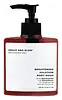
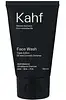
Grace and Glow Brightening Solution Body Wash Versus Kahf Triple Action Oil And Comedo Defense Face Wash
This salicylic acid gel cleanser is formulated around Salicylic Acid to clear breakouts and unclog pores.

What's inside
What's inside
 Key Ingredients
Benefits
Concerns
Ingredients Side-by-side
Water
Skin ConditioningSodium Laureth Sulfate
Cleansing



Cocamidopropyl Betaine
Cleansing

Sodium Chloride
MaskingMethylchloroisothiazolinone
Preservative
Methylisothiazolinone
Preservative
Magnesium Chloride
Magnesium Nitrate
Sodium Lauryl Sulfate
Cleansing
Sodium Sulfate
C12-16 Alcohols
EmollientPalm Kernelamide DEA
EmulsifyingGlycerin
Humectant


Parfum
Masking

Sodium Lauroyl Sarcosinate
CleansingSodium Hydroxypropylsulfonate Laurylglucoside Crosspolymer
CleansingSucrose
Humectant
Sucrose Distearate
Emollient
Hexylene Glycol
EmulsifyingHydroxyacetophenone
Antioxidant
Lactic Acid
Buffering






DMDM Hydantoin
Preservative
Disodium EDTA
CI 16255
Cosmetic ColorantCI 42090
Cosmetic ColorantCitric Acid
Buffering
Niacinamide
Smoothing



Hydroxyapatite
Abrasive
Glutathione
Cysteine
Antioxidant
Ethoxydiglycol
HumectantZeolite
AbsorbentWater, Sodium Laureth Sulfate, Cocamidopropyl Betaine, Sodium Chloride, Methylchloroisothiazolinone, Methylisothiazolinone, Magnesium Chloride, Magnesium Nitrate, Sodium Lauryl Sulfate, Sodium Sulfate, C12-16 Alcohols, Palm Kernelamide DEA, Glycerin, Parfum, Sodium Lauroyl Sarcosinate, Sodium Hydroxypropylsulfonate Laurylglucoside Crosspolymer, Sucrose, Sucrose Distearate, Hexylene Glycol, Hydroxyacetophenone, Lactic Acid, DMDM Hydantoin, Disodium EDTA, CI 16255, CI 42090, Citric Acid, Niacinamide, Hydroxyapatite, Glutathione, Cysteine, Ethoxydiglycol, Zeolite
Water
Skin ConditioningCocamidopropyl Betaine
Cleansing
Glycerin
Humectant
Decyl Glucoside
Cleansing
Sodium Methyl Cocoyl Taurate
Cleansing
Kaolin
Abrasive
Bentonite
Absorbent
Acrylates Copolymer
Propanediol
Solvent
Sodium Chloride
MaskingCharcoal Powder
Abrasive
Gluconolactone
Skin Conditioning
Salicylic Acid
Masking
Lactic Acid
Buffering
Citric Acid
Buffering
Melaleuca Alternifolia Leaf Oil
Antioxidant

Saccharide Isomerate
Humectant
Parfum
Masking
Sodium Hydroxide
BufferingMenthol
Masking
Disodium EDTA
Ricinus Communis Seed Oil
Masking
Sodium Dehydroacetate
Preservative
Sodium Citrate
BufferingLaureth-21
CleansingCI 77266
Cosmetic ColorantWater, Cocamidopropyl Betaine, Glycerin, Decyl Glucoside, Sodium Methyl Cocoyl Taurate, Kaolin, Bentonite, Acrylates Copolymer, Propanediol, Sodium Chloride, Charcoal Powder, Gluconolactone, Salicylic Acid, Lactic Acid, Citric Acid, Melaleuca Alternifolia Leaf Oil, Saccharide Isomerate, Parfum, Sodium Hydroxide, Menthol, Disodium EDTA, Ricinus Communis Seed Oil, Sodium Dehydroacetate, Sodium Citrate, Laureth-21, CI 77266
Reviews
Ingredients Explained
These ingredients are found in both products.
Ingredients higher up in an ingredient list are typically present in a larger amount.
Citric Acid is an alpha hydroxy acid (AHA) naturally found in citrus fruits like oranges, lemons, and limes.
Like other AHAs, citric acid can exfoliate skin by breaking down the bonds that hold dead skin cells together. This helps reveal smoother and brighter skin underneath.
However, this exfoliating effect only happens at high concentrations (20%) which can be hard to find in cosmetic products.
Due to this, citric acid is usually included in small amounts as a pH adjuster. This helps keep products slightly more acidic and compatible with skin's natural pH.
In skincare formulas, citric acid can:
While it can provide some skin benefits, research shows lactic acid and glycolic acid are generally more effective and less irritating exfoliants.
Most citric acid used in skincare today is made by fermenting sugars (usually from molasses). This synthetic version is identical to the natural citrus form but easier to stabilize and use in formulations.
Read more about some other popular AHA's here:
Learn more about Citric AcidCocamidopropyl Betaine is a fatty acid created by mixing similar compounds in coconut oil and dimethylaminopropylamine, a compound with two amino groups.
This ingredient is a surfactant and cleanser. It helps gather the dirt, pollutants, and other impurities in your skin to be washed away. It also helps thicken a product and make the texture more creamy.
Being created from coconut oil means Cocamidopropyl Betaine is hydrating for the skin.
While Cocamidopropyl Betaine was believed to be an allergen, a study from 2012 disproved this. It found two compounds in unpure Cocamidopropyl Betaine to be the irritants: aminoamide and 3-dimethylaminopropylamine. High-grade and pure Cocamidopropyl Betaine did not induce allergic reactions during this study.
Learn more about Cocamidopropyl BetaineDisodium EDTA is a chelating agent. It grabs onto and deactivates metal ions that sneak into your products from water, packaging, or air.
This ingredient mainly works behind the scenes and helps with:
On top of that, this ingredient can counteract the effects of hard water by binding to the minerals in it.
One thing worth knowing is that Disodium EDTA has been shown to be a mild penetration enhancer. It can help other ingredients absorb into skin more effectively which can be a double-edged sword (great for actives, but can also make the active too strong if you have sensitive skin).
Clinical patch testing showed no significant skin irritation at typical use concentrations and minimal dermal absorption.
You'll most likely see this ingredient near the end of an ingredient list. It's typically found in concentrations less than 1%.
Learn more about Disodium EDTAGlycerin (or glycerol) is a compound naturally found in your skin. It's a powerhouse humectant that pulls water into the stratum corneum.
Topically, glycerin does several things at once:
Your skin makes glycerin on its own (mostly from sebaceous oil breakdown) and shuttles it to your outermost layer of skin, or your epidermis, via aquaporin-3.
Aquaporin-3 is a transporter that is essential for normal skin hydration, elasticity, and repair. Interestingly, mice lacking in AQP3 have dry and less elastic skin that can be fully corrected with glycerin.
This ingredient is non-irritating, plays well with almost every ingredient, and works across all skin types. Typical use is anywhere between 3-10% but can go up to 79% in some leave-on products.
Just know very high concentrations (>40%) can feel tacky in low humidity.
Glycerin is the name for this ingredient in American English. British English uses Glycerol/Glycerine.
Learn more about GlycerinLactic Acid is another well-loved alpha hydroxy acid (AHA). It is gentler than glycolic acid but still highly effective.
Its main role is to exfoliate the surface of the skin by loosening the “glue” that holds dead skin cells together. Shedding those old cells leads to smoother, softer, and more even-toned skin.
Because lactic acid molecules are larger than glycolic acid, they don’t penetrate as deeply. This means they’re less likely to sting or irritate, making it a great choice for beginners or those with sensitive skin.
Like glycolic acid, it can:
Lactic acid also acts as a humectant (like hyaluronic acid). It can draw water into the skin to improve hydration and also plays a role in the skin's natural moisturizing factor (NMF) in the form of sodium lactate.
Studies show it can boost ceramide production to strengthen the skin barrier and even help balance the skin’s microbiome.
To get results, choose products with a pH between 3-4.
Lower strengths (5-12%) focus on surface exfoliation; higher strengths (12% and up) can reach deeper in the dermis (deeper, supportive layer) to improve skin texture and firmness over time.
Though it was originally derived from milk, most modern lactic acid used in skincare is vegan. It is made through non-dairy fermentation to create a bio-identical and stable form suitable for all formulations.
When lactic acid shows up near the end of an ingredient list, it usually means the brand added just a tiny amount to adjust the product’s pH.
Legend has it that Cleopatra used to bathe in sour milk to help reduce wrinkles.
Lactic acid is truly a gentle multitasker: it exfoliates, hydrates, strengthens, and brightens. It's a great ingredient for giving your skin a smooth, glowing, and healthy look without the harshness of stronger acids.
Read more about some other popular AHA's here:
Learn more about Lactic AcidParfum is a catch-all term for an ingredient or more that is used to give a scent to products.
Also called "fragrance", this ingredient can be a blend of hundreds of chemicals or plant oils. This means every product with "fragrance" or "parfum" in the ingredients list is a different mixture.
For instance, Habanolide is a proprietary trade name for a specific aroma chemical. When used as a fragrance ingredient in cosmetics, most aroma chemicals fall under the broad labeling category of “FRAGRANCE” or “PARFUM” according to EU and US regulations.
The term 'parfum' or 'fragrance' is not regulated in many countries. In many cases, it is up to the brand to define this term.
For instance, many brands choose to label themselves as "fragrance-free" because they are not using synthetic fragrances. However, their products may still contain ingredients such as essential oils that are considered a fragrance by INCI standards.
One example is Calendula flower extract. Calendula is an essential oil that still imparts a scent or 'fragrance'.
Depending on the blend, the ingredients in the mixture can cause allergies and sensitivities on the skin. Some ingredients that are known EU allergens include linalool and citronellol.
Parfum can also be used to mask or cover an unpleasant scent.
The bottom line is: not all fragrances/parfum/ingredients are created equally. If you are worried about fragrances, we recommend taking a closer look at an ingredient. And of course, we always recommend speaking with a professional.
Learn more about ParfumChances are, you eat sodium chloride every day. Sodium Chloride is also known as table salt. This ingredient has many purposes in skincare: thickener, emulsifier, and exfoliator.
You'll most likely find this ingredient in cleansers where it is used to create a gel-like texture. As an emulsifier, it also prevents ingredients from separating.
You might see people debate whether Sodium Chloride is comedogenic, but there actually haven't been any comedogenic tests done on it. Either way, the overall formulation of a product matters a lot more than any single ingredient.
You might see this ingredient used in scrubs as a primary exfoliating ingredient.
Learn more about Sodium ChlorideWater. It's the most common cosmetic ingredient of all. You'll usually see it at the top of ingredient lists, meaning that it makes up the largest part of the product.
So why is it so popular? Water most often acts as a solvent - this means that it helps dissolve other ingredients into the formulation.
You'll also recognize water as that liquid we all need to stay alive. If you see this, drink a glass of water. Remember to stay hydrated!
Learn more about Water

