
What's inside
What's inside
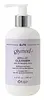 Key Ingredients
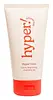
Benefits
Concerns
Ingredients Side-by-side
Anthemis Nobilis Flower Extract
Masking


Camellia Sinensis Leaf Extract
Antimicrobial





Caprylyl Glycol
Emollient
Cocamidopropyl Betaine
Cleansing


Decyl Glucoside
Cleansing
Ethylhexylglycerin
Skin ConditioningGlycerin
Humectant

Hexylene Glycol
EmulsifyingMandelic Acid
Antimicrobial



Panthenol
Skin Conditioning
Pentylene Glycol
Skin Conditioning
Phenoxyethanol
Preservative
Propanediol
Solvent
Symphytum Officinale Rhizome/Root Extract
Skin ConditioningTocopherol
Antioxidant
Sodium C14-16 Olefin Sulfonate
Cleansing
PEG-18 Glyceryl Oleate/Cocoate
Emulsifying

PEG-120 Methyl Glucose Dioleate
Emulsifying
Anthemis Nobilis Flower Extract, Camellia Sinensis Leaf Extract, Caprylyl Glycol, Cocamidopropyl Betaine, Decyl Glucoside, Ethylhexylglycerin, Glycerin, Hexylene Glycol, Mandelic Acid, Panthenol, Pentylene Glycol, Phenoxyethanol, Propanediol, Symphytum Officinale Rhizome/Root Extract, Tocopherol, Sodium C14-16 Olefin Sulfonate, PEG-18 Glyceryl Oleate/Cocoate, PEG-120 Methyl Glucose Dioleate
Water
Skin ConditioningGlycerin
Humectant
Cocamidopropyl Betaine
Cleansing
Salix Alba Bark Extract
Astringent
Polysorbate 20
Emulsifying
Cellulose Gum
Emulsion StabilisingDisodium Cocoyl Glutamate
Cleansing
Phenoxyethanol
Preservative
Sodium Chloride
MaskingMandelic Acid
Antimicrobial
Sodium Lauroyl Methyl Isethionate
CleansingSodium Cocoyl Glutamate
Cleansing
Citrus Grandis Peel Oil
Masking

Coconut Acid
Cleansing
Sodium Methyl Oleoyl Taurate
CleansingAlpha-Arbutin
Antioxidant
Ethylhexylglycerin
Skin ConditioningCoco-Glucoside
Cleansing
Lauryl Glucoside
CleansingGlycyrrhiza Glabra Root Extract
Bleaching
Butylene Glycol
Humectant
Sodium Citrate
BufferingSodium Phytate
Melia Azadirachta Flower Extract
Skin ConditioningSodium Benzoate
Masking
Corallina Officinalis Extract
Skin Conditioning
Chamomilla Recutita Flower Extract
Masking
Cucumis Sativus Fruit Extract
Emollient
Coccinia Indica Fruit Extract
Skin ConditioningMelia Azadirachta Leaf Extract
Skin ConditioningCurcuma Longa Root Extract
Masking
Fomes Officinalis Extract
Skin ProtectingSolanum Melongena Fruit Extract
Skin ConditioningAloe Barbadensis Flower Extract
EmollientSodium Glycolate
BufferingOcimum Sanctum Leaf Extract
Skin ConditioningOcimum Basilicum Flower/Leaf Extract
TonicTocopherol
Antioxidant
Limonene
Perfuming
Water, Glycerin, Cocamidopropyl Betaine, Salix Alba Bark Extract, Polysorbate 20, Cellulose Gum, Disodium Cocoyl Glutamate, Phenoxyethanol, Sodium Chloride, Mandelic Acid, Sodium Lauroyl Methyl Isethionate, Sodium Cocoyl Glutamate, Citrus Grandis Peel Oil, Coconut Acid, Sodium Methyl Oleoyl Taurate, Alpha-Arbutin, Ethylhexylglycerin, Coco-Glucoside, Lauryl Glucoside, Glycyrrhiza Glabra Root Extract, Butylene Glycol, Sodium Citrate, Sodium Phytate, Melia Azadirachta Flower Extract, Sodium Benzoate, Corallina Officinalis Extract, Chamomilla Recutita Flower Extract, Cucumis Sativus Fruit Extract, Coccinia Indica Fruit Extract, Melia Azadirachta Leaf Extract, Curcuma Longa Root Extract, Fomes Officinalis Extract, Solanum Melongena Fruit Extract, Aloe Barbadensis Flower Extract, Sodium Glycolate, Ocimum Sanctum Leaf Extract, Ocimum Basilicum Flower/Leaf Extract, Tocopherol, Limonene
Reviews
Ingredients Explained
These ingredients are found in both products.
Ingredients higher up in an ingredient list are typically present in a larger amount.
Cocamidopropyl Betaine is a fatty acid created by mixing similar compounds in coconut oil and dimethylaminopropylamine, a compound with two amino groups.
This ingredient is a surfactant and cleanser. It helps gather the dirt, pollutants, and other impurities in your skin to be washed away. It also helps thicken a product and make the texture more creamy.
Being created from coconut oil means Cocamidopropyl Betaine is hydrating for the skin.
While Cocamidopropyl Betaine was believed to be an allergen, a study from 2012 disproved this. It found two compounds in unpure Cocamidopropyl Betaine to be the irritants: aminoamide and 3-dimethylaminopropylamine. High-grade and pure Cocamidopropyl Betaine did not induce allergic reactions during this study.
Learn more about Cocamidopropyl BetaineEthylhexylglycerin is created from glycerin. It is a multitasker ingredient that:
The CIR Expert Panel found minimal skin absorption or sensitization of any kind in a safety assessment. Though this ingredient is considered well-tolerated, a small number of cases of allergic dermatitis have been published since 2002. Just be sure to patch test if you are unsure.
Industry-reported use ranges from 8% in rinse-off products and 2% in leave-on formulations.
Learn more about EthylhexylglycerinGlycerin (or glycerol) is a compound naturally found in your skin. It's a powerhouse humectant that pulls water into the stratum corneum.
Topically, glycerin does several things at once:
Your skin makes glycerin on its own (mostly from sebaceous oil breakdown) and shuttles it to your outermost layer of skin, or your epidermis, via aquaporin-3.
Aquaporin-3 is a transporter that is essential for normal skin hydration, elasticity, and repair. Interestingly, mice lacking in AQP3 have dry and less elastic skin that can be fully corrected with glycerin.
This ingredient is non-irritating, plays well with almost every ingredient, and works across all skin types. Typical use is anywhere between 3-10% but can go up to 79% in some leave-on products.
Just know very high concentrations (>40%) can feel tacky in low humidity.
Glycerin is the name for this ingredient in American English. British English uses Glycerol/Glycerine.
Learn more about GlycerinMandelic Acid is an alpha hydroxy acid (AHA).
Like other AHAs, it helps exfoliate the surface of the skin by breaking down the bonds that hold dead skin cells together. This helps reveal smoother and brighter skin underneath.
Mandelic acid helps with:
Due to it having a larger molecular size than glycolic acid, mandelic acid is able to penetrate the skin more slowly and evenly. This makes it gentler and less irritating, making it a great option for sensitive or beginner skin.
Despite being milder, mandelic acid is still an effective exfoliant that improves skin texture and tone over time.
What makes mandelic acid stand out from other AHAs? It has antibacterial and antioxidant properties.
These traits make it a great option for acne-prone or problem skin by reducing active breakouts and fading post-acne marks. Studies show that mandelic acid (especially when combined with salicylic acid) can significantly reduce pimples and hyperpigmentation while causing fewer side effects than stronger acids.
Mandelic acid is effective in concentrations of 5% and up with an ideal pH range of 3-4 for at-home use.
Like other AHAs, it’s important to wear sunscreen daily to protect your newly exfoliated skin.
However, unlike glycolic acid, mandelic acid is light-sensitive. Be sure your mandelic acid is packaged in opaque containers to ensure it stays stable and effective.
In short, mandelic acid is a gentle yet powerful AHA that exfoliates, brightens, and helps clarify skin while keeping irritation low. Its antibacterial action makes it especially beneficial for those with acne-prone, sensitive, or uneven skin, offering smoother, clearer, and more even-toned results over time.
Read more about some other popular AHA's here:
Learn more about Mandelic AcidPhenoxyethanol is a preservative that has germicide, antimicrobial, and aromatic properties. Studies show that phenoxyethanol can prevent microbial growth. By itself, it has a scent that is similar to that of a rose.
It's often used in formulations along with Caprylyl Glycol to preserve the shelf life of products.
Tocopherol is a fat-soluble antioxidant known as Vitamin E.
You'll find this ingredient in the vast majority of skincare (for good reason). It works to neutralize free radicals, or unstable molecules generated by UV exposure, pollution, and other environmental stressors, before they can cause oxidative damage to your skin cells.
Topically applied tocopherol has been shown to protect against UV damage by ramping up the skin's own natural defense enzymes.
It also acts as a skin conditioning agent; some studies show that regular topical use can improve the skin's water-binding capacity over 2-4 weeks.
This ingredient is especially loved for being a team player. When combined with Vitamin C, the photoprotective effect of both ingredients roughly doubles and the combo also helps reduce UV-induced DNA damage.
This ingredient has some brightening potential but it's more of a prevention ingredient than spot-fader. Cell studies show it can slow down melanin production but it's worth noting that it's not the most powerful brightener out there.
In formulations, it also serves as a stabilizer that helps protect other oxidation-prone ingredients from degrading.
Concentrations usually range from 0.1-1% in most leave-on products.
Learn more about Tocopherol
