Glo Melanin Turmeric And Kojic Foaming Face Wash Versus MediCube Kojic Acid Turmeric Resurfacing Toner
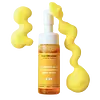
This mild foaming cleanser is mild enough to cleanse without leaving skin feeling tight or stripped.
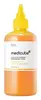
This smoothing toner is formulated around Niacinamide and Glycolic Acid to refine skin texture and fade the look of dark spots.


What's inside
What's inside
 Key Ingredients
Benefits
Concerns
Ingredients Side-by-side




Water
Skin ConditioningNiacinamide
Smoothing











Glycolic Acid
Buffering



1,2-Hexanediol
Skin Conditioning
Sodium Hydroxide
BufferingC12-14 Alketh-12
EmulsifyingCurcuma Longa Root Extract
Antioxidant

Ethylhexylglycerin
Skin ConditioningGardenia Florida Fruit Extract
Skin ConditioningAdenosine
Skin Conditioning
Dextrin
AbsorbentKojic Acid
Antioxidant
Monascus Extract
Skin ConditioningLavandula Angustifolia Oil
Masking


Citrus Aurantium Bergamia Fruit Oil
Masking
Allantoin
Skin Conditioning
Panthenol
Skin Conditioning
Glycerin
Humectant
Butylene Glycol
Humectant
Caprylic/Capric Triglyceride
Masking
Hydrogenated Lecithin
Emulsifying
Sodium Hyaluronate
Humectant
Ceramide NP
Skin Conditioning
Hydroxypropyltrimonium Hyaluronate
Sodium Acetylated Hyaluronate
Humectant
Hydrolyzed Hyaluronic Acid
Humectant
Hyaluronic Acid
Humectant
Sodium Hyaluronate Crosspolymer
Humectant
Hydrolyzed Sodium Hyaluronate
Skin Conditioning
Potassium Hyaluronate
Skin ConditioningWater, Niacinamide, Glycolic Acid, 1,2-Hexanediol, Sodium Hydroxide, C12-14 Alketh-12, Curcuma Longa Root Extract, Ethylhexylglycerin, Gardenia Florida Fruit Extract, Adenosine, Dextrin, Kojic Acid, Monascus Extract, Lavandula Angustifolia Oil, Citrus Aurantium Bergamia Fruit Oil, Allantoin, Panthenol, Glycerin, Butylene Glycol, Caprylic/Capric Triglyceride, Hydrogenated Lecithin, Sodium Hyaluronate, Ceramide NP, Hydroxypropyltrimonium Hyaluronate, Sodium Acetylated Hyaluronate, Hydrolyzed Hyaluronic Acid, Hyaluronic Acid, Sodium Hyaluronate Crosspolymer, Hydrolyzed Sodium Hyaluronate, Potassium Hyaluronate
Reviews
Ingredients Explained
These ingredients are found in both products.
Ingredients higher up in an ingredient list are typically present in a larger amount.
Curcuma Longa Root Extract comes from the rhizome (underground stem) of the turmeric plant.
While the official EU Cosing Database lists this ingredient as a fragrance, it actually does more than give products a scent.
This ingredient contains a group of yellow pigments called curcuminoids (mostly curcumin) that give it genuine antioxidant and anti-inflammatory activity in skin.
Reviews of topical clinical studies have found turmeric/curcumin to be generally well-tolerated and useful across conditions like eczema and mild inflammation.
One thing working in its favor is that curcumin barely penetrates; in lab skin-permeation testing, the curcuminoids mostly stayed in the outermost layer of skin. This is a good thing because its soothing and antioxidant activity is a surface-level job anyway.
At this time, industry data shows there's no single "correct" cosmetic percentage. It's used across a wide range depending on the product and varies from tiny fractions of a percent up to a few percent.
Allergy-wise, curcumin is a documented (but uncommon) contact allergen. It can also cross react with related plants, so anyone with a turmeric/ginger/cinnamon allergy or reactive skin should patch test first.
Learn more about Curcuma Longa Root ExtractKojic Acid is a naturally occurring organic acid that is produced during the fermentation of certain fungi. It is one of the most well-studied brightening ingredients (tyrosinase inhibitors) out there.
That's why you'll see Kojic Acid in products that target dark spots, hyperpigmentation, and general uneven skin tone. It also pairs well with other brightening actives like Alpha Arbutin, Glycolic Acid, and Vitamin C derivatives.
By latching onto the copper that the enzyme tyrosinase needs to function, Kojic Acid prevents less pigment from being made. It's so well-established that researchers regularly use it as the go-to benchmark when testing new brightening ingredients.
Some other perks include documented antioxidant and antimicrobial properties. The The CIR (Cosmetic Ingredient Review) Expert Panel concluded Kojic Acid is safe for use in cosmetic products at concentrations up to 1% and the EU's SCCS (Scientific Committee on Consumer Safety) considers it safe as a skin lightening agent at concentrations up to 0.7%.
One thing to know about Kojic Acid is that stability is its weak spot; it is sensitive to light, heat, and air exposure and will oxidize/turn brown in formulations. Its derivative, Kojic Dipalmitate, was developed as a stable alternative.
Some individuals have reported contact sensitization so be sure to patch test if you have reactive or sensitive skin.
Fun fact: It was first discovered in 1907 and naturally occurs in the production of sake, soy sauce, and miso.
Learn more about Kojic AcidWater. It's the most common cosmetic ingredient of all. You'll usually see it at the top of ingredient lists, meaning that it makes up the largest part of the product.
So why is it so popular? Water most often acts as a solvent - this means that it helps dissolve other ingredients into the formulation.
You'll also recognize water as that liquid we all need to stay alive. If you see this, drink a glass of water. Remember to stay hydrated!
Learn more about Water

