
What's inside
What's inside
 Key Ingredients
Benefits
Concerns
Ingredients Side-by-side
Water
Skin ConditioningC9-12 Alkane
SolventCaprylic/Capric Triglyceride
Masking


Glycerin
Humectant
Pentylene Glycol
Skin Conditioning
Cocos Nucifera Oil
Masking






Caprylyl Caprylate/Caprate
Emollient
Propanediol
Solvent
Stearalkonium Hectorite
Gel FormingTrimethylsiloxysilicate
Emollient
Pullulan
Sorbitan Sesquiisostearate
Emulsifying
Silica
Abrasive


Polyglyceryl-3 Polyricinoleate
Emulsifying
Polyglyceryl-3 Diisostearate
Emulsifying
Mica
Cosmetic ColorantSodium Myristoyl Glutamate
CleansingSodium Chloride
MaskingCentaurea Cyanus Flower Water
Skin Conditioning
Hydroxyacetophenone
Antioxidant
Ethylene Brassylate
MaskingSodium Benzoate
Masking
Tropaeolum Majus Flower/Leaf/Stem Extract
Skin ConditioningAluminum Hydroxide
EmollientSynthetic Fluorphlogopite
Polyhydroxystearic Acid
Emulsifying
Propylene Carbonate
SolventBiosaccharide Gum-2
Skin ConditioningIsostearic Acid
Cleansing
Lecithin
Emollient
Potassium Sorbate
Preservative
Citric Acid
Buffering

Tin Oxide
Abrasive
Tocopherol
Antioxidant


CI 77891
Cosmetic ColorantCI 77491
Cosmetic ColorantCI 77492
Cosmetic ColorantCI 77499
Cosmetic ColorantCI 77163
Cosmetic Colorant
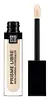
Water, C9-12 Alkane, Caprylic/Capric Triglyceride, Glycerin, Pentylene Glycol, Cocos Nucifera Oil, Caprylyl Caprylate/Caprate, Propanediol, Stearalkonium Hectorite, Trimethylsiloxysilicate, Pullulan, Sorbitan Sesquiisostearate, Silica, Polyglyceryl-3 Polyricinoleate, Polyglyceryl-3 Diisostearate, Mica, Sodium Myristoyl Glutamate, Sodium Chloride, Centaurea Cyanus Flower Water, Hydroxyacetophenone, Ethylene Brassylate, Sodium Benzoate, Tropaeolum Majus Flower/Leaf/Stem Extract, Aluminum Hydroxide, Synthetic Fluorphlogopite, Polyhydroxystearic Acid, Propylene Carbonate, Biosaccharide Gum-2, Isostearic Acid, Lecithin, Potassium Sorbate, Citric Acid, Tin Oxide, Tocopherol, CI 77891, CI 77491, CI 77492, CI 77499, CI 77163
Water
Skin ConditioningDimethicone
Emollient
Hydrogenated Polydecene
EmollientPropanediol
Solvent
Butylene Glycol
Humectant
PEG-9 Polydimethylsiloxyethyl Dimethicone
Emulsifying
Glycerin
Humectant
Disteardimonium Hectorite
StabilisingPEG-10 Dimethicone
Skin Conditioning
Polymethyl Methacrylate
Bis-Butyldimethicone Polyglyceryl-3
Cleansing
Sorbitan Sesquiisostearate
Emulsifying
Dimethicone/Vinyl Dimethicone Crosspolymer
Skin Conditioning
Phenoxyethanol
Preservative
Isostearic Acid
Cleansing
Polysilicone-2
Aluminum Hydroxide
EmollientMaltodextrin
Absorbent
Trisodium EDTA
ChelatingLecithin
Emollient
Silica
Abrasive
Tin Oxide
Abrasive
Triethoxycaprylylsilane
Tocopheryl Acetate
Antioxidant
Sodium Metabisulfite
Antioxidant
Magnolia Officinalis Bark Extract
Antimicrobial
Tocopherol
Antioxidant
Vitis Vinifera Seed Extract
Antimicrobial
Mica
Cosmetic ColorantCI 77891
Cosmetic ColorantCI 77491
Cosmetic ColorantCI 77492
Cosmetic ColorantCI 77499
Cosmetic ColorantCI 77163
Cosmetic Colorant
CI 42090
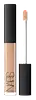
Cosmetic ColorantWater, Dimethicone, Hydrogenated Polydecene, Propanediol, Butylene Glycol, PEG-9 Polydimethylsiloxyethyl Dimethicone, Glycerin, Disteardimonium Hectorite, PEG-10 Dimethicone, Polymethyl Methacrylate, Bis-Butyldimethicone Polyglyceryl-3, Sorbitan Sesquiisostearate, Dimethicone/Vinyl Dimethicone Crosspolymer, Phenoxyethanol, Isostearic Acid, Polysilicone-2, Aluminum Hydroxide, Maltodextrin, Trisodium EDTA, Lecithin, Silica, Tin Oxide, Triethoxycaprylylsilane, Tocopheryl Acetate, Sodium Metabisulfite, Magnolia Officinalis Bark Extract, Tocopherol, Vitis Vinifera Seed Extract, Mica, CI 77891, CI 77491, CI 77492, CI 77499, CI 77163, CI 42090
Reviews
Ingredients Explained
These ingredients are found in both products.
Ingredients higher up in an ingredient list are typically present in a larger amount.
Aluminum Hydroxide is a form of aluminum. It can be naturally found in nature as the mineral gibbsite. In cosmetics, Aluminum Hydroxide is used as a colorant, pH adjuster, and absorbent.
As a colorant, Aluminum Hydroxide may add opacity, or reduce the transparency. Aluminum hydroxide is contains both basic and acidic properties.
According to manufacturers, this ingredient is an emollient and humectant. This means it helps hydrate the skin.
In medicine, this ingredient is used to help relieve heartburn and help heal ulcers.
There is currently no credible scientific evidence linking aluminum hydroxide in cosmetics to increased cancer risk.
Major health organizations allow the use of aluminum hydroxide in personal care products and have not flagged it as a carcinogenic risk at typical usage levels.
Learn more about Aluminum HydroxideCI 77163 is the color-index name for Bismuth Oxychloride, a lab-made white powder that acts as a pearl pigment.
It's what gives a lot of pressed powders, eyeshadows, highlighteres, and mineral foundations that soft pearly glow.
Due to its structure as flat, plate-like crystals that stack like tiles, it feels silky and sticks to skin well. This also makes it very chemically stable and insoluble under normal skin conditions (this just means it sits on top of skin rather than going into it).
It has an interesting quirk: it slowly goes gray in sunlight and the graying is partly reversible in the dark.
At this time, there's no legal cap on how much a brand can use. Both the FDA and the EU permit it without restriction so real-world concentration levels come down to formulation:
Allergy risk is low as well since it's insoluble and doesn't release free metal ions into skin. True allergic contact dermatitis to it is rare enough that there's very little published cases.
However, mineral makeup users do report itching or stinging. The leading explanation for this is irritation from those stiff platelet crystals rubbing on skin (also more likely with heavy, high-percentage loose mineral powders) rather than an immune reaction.
This ingredient shows up on a lot of "pore-clogging" lists but there's no real evidence behind that. It doesn't even have a comedogenic rating from an actual study; the numbers you'll find online come from blogs citing other blogs.
Some people still find it breaks them out. So if that's you, definitely trust your skin.
Learn more about CI 77163Ci 77491 is also hydrated iron III oxide. It's sole purpose is to give a red/pink hue to products.
Iron III oxides are classified as inorganic chemicals for coloring.
Synthetically created Ci 77491 is considered safer than those naturally found. This is because the synthetically created version may contain less impurities. Iron oxides are generally non-toxic and non-allergenic.
Learn more about CI 77491CI 77492 is also hydrated iron III oxide. It's sole purpose is to give a yellow hue to products.
Iron III oxides are classified as inorganic chemicals for coloring.
Synthetically created CI 77492 is considered safer than those naturally found. This is because the synthetically created version may contain less impurities. Iron oxides are generally non-toxic and non-allergenic.
Learn more about CI 77492Ci 77499 is also hydrated iron III oxide. It is created from mixing red and black iron oxides. This helps give shades of darkness to a product.
Iron III oxides are classified as inorganic chemicals for coloring.
Ci 77891 is a white pigment from Titanium dioxide. It is naturally found in minerals such as rutile and ilmenite.
It's main function is to add a white color to cosmetics. It can also be mixed with other colors to create different shades.
Ci 77891 is commonly found in sunscreens due to its ability to block UV rays.
Learn more about CI 77891Glycerin (or glycerol) is a compound naturally found in your skin. It's a powerhouse humectant that pulls water into the stratum corneum.
Topically, glycerin does several things at once:
Your skin makes glycerin on its own (mostly from sebaceous oil breakdown) and shuttles it to your outermost layer of skin, or your epidermis, via aquaporin-3.
Aquaporin-3 is a transporter that is essential for normal skin hydration, elasticity, and repair. Interestingly, mice lacking in AQP3 have dry and less elastic skin that can be fully corrected with glycerin.
This ingredient is non-irritating, plays well with almost every ingredient, and works across all skin types. Typical use is anywhere between 3-10% but can go up to 79% in some leave-on products.
Just know very high concentrations (>40%) can feel tacky in low humidity.
Glycerin is the name for this ingredient in American English. British English uses Glycerol/Glycerine.
Learn more about GlycerinIsostearic Acid is a fatty acid and a structural cousin of stearic acid. It is an emulsifier.
The branched structure of this ingredient enhances fluidity and gives it a lighter, less greasy feel compared to other fatty acids. It helps improve texture and consistency because it prevents oil and water phases from separating.
This ingredient is sourced from plant-based oils like soybean or rapeseed.
Clinical studies found no signs of irritation from this ingredient.
Since Isostearic Acid is an 18-carbon fatty acid, it is in the range that Malassezia can feed on. This ingredient may not be fungal acne safe.
You might have seen sources that this ingredient is comedogenic. The original comedogenic testing on rabbit ear actually tested the ester, Isopropyl Isostearate and not Isostearic acid itself.
Any finished product with this ingredient won't automatically make you break out; it really comes down to concentration, formula, and your skin.
Learn more about Isostearic AcidLecithin is a term for a group of substances found in the cell membranes of plants, animals, and humans. They are made up of phospholipids.
Thanks to its amphiphilic structure (water-loving head and oil-loving tail), it is a true multitasker:
It plays well with most ingredients and is typically used at 0.1-1%. However, concentrations up to 50% have been reported in moisturizers.
Learn more about LecithinMica is a naturally occurring mineral used to add shimmer and color in cosmetics. It can also help improve the texture of a product or give it an opaque, white/silver color.
Serecite is the name for very fine but ragged grains of mica.
This ingredient is often coated with metal oxides like titanium dioxide. Trace amounts of heavy metals may be found in mica, but these metals are not harmful in our personal products.
Mica has been used since prehistoric times throughout the world. Ancient Egyptian, Indian, Greek, Roman, Aztec, and Chinese civilizations have used mica.
Learn more about MicaPropanediol is an all-star ingredient. It softens, hydrates, and smooths the skin.
It’s often used to:
Propanediol is not likely to cause sensitivity and considered safe to use. It is derived from corn or petroleum with a clear color and no scent.
Learn more about PropanediolSilica, also known as silicon dioxide, is a naturally occurring mineral. It is used as a fine, spherical, and porous powder in cosmetics.
Though it has exfoliant properties, the function of silica varies depending on the product.
The unique structure of silica enhances the spreadability and adds smoothness, making it a great texture enhancer.
It is also used as an active carrier, emulsifier, and mattifier due to its ability to absorb excess oil.
In some products, tiny microneedles called spicules are made from silica or hydrolyzed sponge. When you rub them in, they lightly polish away dead skin layers and enhance the penetration of active ingredients.
Learn more about SilicaSorbitan Sesquiisostearate isn't fungal acne safe.
Tin Oxide is an inorganic oxide used to add opacity and volume to a product. In nature, it is already found in mineral form. The main ore of tin is an opaque and shiny mineral called casseterite.
Tin Oxide helps remove translucency in a product, or make it more opaque. Besides adding opacity, tin oxide is used for bulking to add volume.
Tocopherol is a fat-soluble antioxidant known as Vitamin E.
You'll find this ingredient in the vast majority of skincare (for good reason). It works to neutralize free radicals, or unstable molecules generated by UV exposure, pollution, and other environmental stressors, before they can cause oxidative damage to your skin cells.
Topically applied tocopherol has been shown to protect against UV damage by ramping up the skin's own natural defense enzymes.
It also acts as a skin conditioning agent; some studies show that regular topical use can improve the skin's water-binding capacity over 2-4 weeks.
This ingredient is especially loved for being a team player. When combined with Vitamin C, the photoprotective effect of both ingredients roughly doubles and the combo also helps reduce UV-induced DNA damage.
This ingredient has some brightening potential but it's more of a prevention ingredient than spot-fader. Cell studies show it can slow down melanin production but it's worth noting that it's not the most powerful brightener out there.
In formulations, it also serves as a stabilizer that helps protect other oxidation-prone ingredients from degrading.
Concentrations usually range from 0.1-1% in most leave-on products.
Learn more about TocopherolWater. It's the most common cosmetic ingredient of all. You'll usually see it at the top of ingredient lists, meaning that it makes up the largest part of the product.
So why is it so popular? Water most often acts as a solvent - this means that it helps dissolve other ingredients into the formulation.
You'll also recognize water as that liquid we all need to stay alive. If you see this, drink a glass of water. Remember to stay hydrated!
Learn more about Water

