

What's inside
What's inside
 Key Ingredients
Benefits
Concerns
Ingredients Side-by-side
Water
Skin ConditioningSodium Laureth Sulfate
Cleansing



Sodium Lauryl Sulfate
Cleansing
Cocamide Mea
Emulsifying
Glycol Distearate
Emollient
Sodium Chloride
MaskingMel
EmollientPPG-5-Ceteth-20
EmulsifyingArgania Spinosa Kernel Oil
Emollient





Fumaric Acid
BufferingRoyal Jelly
Carbomer
Emulsion StabilisingGlycerin
Humectant
Dimethicone
Emollient
Aloe Barbadensis Leaf Extract
Emollient
Aloe Barbadensis Leaf Juice
Skin Conditioning
Sodium Hydroxide
BufferingAlcohol
Antimicrobial
Propolis Extract
Skin Conditioning

Guar Hydroxypropyltrimonium Chloride
Skin ConditioningCitric Acid
Buffering

Sodium Benzoate
Masking
Salicylic Acid
Masking


CI 19140
Cosmetic ColorantCaramel
Cosmetic ColorantParfum
Masking

Coumarin
Perfuming
Limonene
Perfuming
Benzyl Alcohol
Perfuming
Benzyl Salicylate
Perfuming
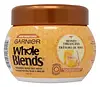
Water, Sodium Laureth Sulfate, Sodium Lauryl Sulfate, Cocamide Mea, Glycol Distearate, Sodium Chloride, Mel, PPG-5-Ceteth-20, Argania Spinosa Kernel Oil, Fumaric Acid, Royal Jelly, Carbomer, Glycerin, Dimethicone, Aloe Barbadensis Leaf Extract, Aloe Barbadensis Leaf Juice, Sodium Hydroxide, Alcohol, Propolis Extract, Guar Hydroxypropyltrimonium Chloride, Citric Acid, Sodium Benzoate, Salicylic Acid, CI 19140, Caramel, Parfum, Coumarin, Limonene, Benzyl Alcohol, Benzyl Salicylate
Water
Skin ConditioningAloe Barbadensis Leaf Juice
Skin Conditioning
Butyrospermum Parkii Butter
Skin Conditioning

Cocos Nucifera Oil
Masking
Behentrimonium Methosulfate
SurfactantCetyl Alcohol
Emollient
Theobroma Cacao Seed Butter
Emollient
Mangifera Indica Seed Butter
Skin Conditioning
Cannabis Sativa Seed Oil
Emollient
Panthenol
Skin Conditioning
Mel
EmollientGlycerin
Humectant
Camellia Sinensis Leaf Extract
Antimicrobial

Simmondsia Chinensis Seed Oil
Emollient
Rosa Canina Fruit Oil
Emollient
Vitis Vinifera Seed Oil
Emollient
Oenothera Biennis Oil
Emollient
Phenoxyethanol
Preservative
Caprylyl Glycol
Emollient
Algae
Skin Conditioning
Biotin
AntiseborrhoeicDimethyl Sulfone
SolventTocopheryl Acetate
Antioxidant
Mentha Piperita Oil
Masking
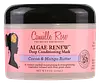
Water, Aloe Barbadensis Leaf Juice, Butyrospermum Parkii Butter, Cocos Nucifera Oil, Behentrimonium Methosulfate, Cetyl Alcohol, Theobroma Cacao Seed Butter, Mangifera Indica Seed Butter, Cannabis Sativa Seed Oil, Panthenol, Mel, Glycerin, Camellia Sinensis Leaf Extract, Simmondsia Chinensis Seed Oil, Rosa Canina Fruit Oil, Vitis Vinifera Seed Oil, Oenothera Biennis Oil, Phenoxyethanol, Caprylyl Glycol, Algae, Biotin, Dimethyl Sulfone, Tocopheryl Acetate, Mentha Piperita Oil
Reviews
Ingredients Explained
These ingredients are found in both products.
Ingredients higher up in an ingredient list are typically present in a larger amount.
Aloe Barbadensis Leaf Juice is the filtered, stabilized liquid pressed from the inner gel of the aloe vera leaf.
In cosmetics, it shows up as either soothing active or a water-replacement base. It is roughly 98-99% water and the last 1-2% is an interesting mix of polysaccharides, amino acids, vitamins, minerals, and enzymes.
The polysaccharides do most of the work: they bind water at the skin surface for a light, non-greasy hydration boost. And one of the polysaccharides, glycomannan, is linked to fibroblast stimulation + collagen synthesis. This is also why aloe has such a long track record in wound and burn healing.
This ingredient is also calming with anti-inflammatory and mild antimicrobial activity, making it a great pick for sensitive, irritated, or post-sun skin.
Realistic expectations matter though; the solid evidence is mostly limited to hydration, soothing, and wound support. Deeper claims about anti-aging or sun protection are not well backed, and science reviews note it does not prevent radiation-induced skin injury.
Because it plays well with almost everything, it's commonly used as a base alongside other actives like niacinamide or vitamin C.
Typical usage concentrations range from 0.5% (where hydration benefits already show up) all the way to 90%+ (where it replaces water as the main base).
The safety for this ingredient is well-establish as well. Overall, this is a great supporting ingredient for those who want a boost in hydration.
Learn more about Aloe Barbadensis Leaf JuiceGlycerin (or glycerol) is a compound naturally found in your skin. It's a powerhouse humectant that pulls water into the stratum corneum.
Topically, glycerin does several things at once:
Your skin makes glycerin on its own (mostly from sebaceous oil breakdown) and shuttles it to your outermost layer of skin, or your epidermis, via aquaporin-3.
Aquaporin-3 is a transporter that is essential for normal skin hydration, elasticity, and repair. Interestingly, mice lacking in AQP3 have dry and less elastic skin that can be fully corrected with glycerin.
This ingredient is non-irritating, plays well with almost every ingredient, and works across all skin types. Typical use is anywhere between 3-10% but can go up to 79% in some leave-on products.
Just know very high concentrations (>40%) can feel tacky in low humidity.
Glycerin is the name for this ingredient in American English. British English uses Glycerol/Glycerine.
Learn more about GlycerinThis ingredient is another INCI name for honey.
Honey mostly shows up in skincare as a humectant and skin conditioning agent. This is because its natural sugars (fructose and glucose) help hold onto water so skin feels softer and more hydrated.
Beyond hydration, honey also has antibacterial and wound-supporting properties. Its antibacterial action comes from a mix of things:
Manuka-type honey has an extra bacteria-killing compound called methylglyoxal, while all Honey contains a natural antibacterial protein called bee defensin-1.
Honey also nudges your immune cells to release signals that start the healing process. This is why medical-grade Honey is actually used in real wound dressings.
Just keep in mind that most of the strong clinical evidence is for wound care and not everyday cosmetic claims.
On concentrations and safety:
According to industry data, honey is used up to 22% in paste/mud packs, 7% as a honey extract in body/hand products, and face skincare levels sit well below that.
A human repeat insult patch test of 7% honey extract in 112 subjects showed no sensitization.
Allergy-wise, honey itself is a rare sensitizer. The bigger culprit is usually propolis that sometimes tags along in less-refined honey.
People allergic to propolis, conifer, poplar, salicylates, or Balsam of Peru are advised to avoid this ingredient due to shared allergens.
You might see this ingredient listed as either Honey or Mel. (they're the same thing). Mel is simply the Latin word for honey.
A lot of people wonder if Honey is vegan, and technically it isn't.
Honey is made by bees; they gather nectar and their natural enzymes turn it into the Honey we know. So because it comes from an animal, it doesn't fit a vegan lifestyle.
And please remember to be kind to bees :). They're vital to so many ecosystems, and many species are struggling so they're worth protecting.
Learn more about MelWater. It's the most common cosmetic ingredient of all. You'll usually see it at the top of ingredient lists, meaning that it makes up the largest part of the product.
So why is it so popular? Water most often acts as a solvent - this means that it helps dissolve other ingredients into the formulation.
You'll also recognize water as that liquid we all need to stay alive. If you see this, drink a glass of water. Remember to stay hydrated!
Learn more about Water

