
What's inside
What's inside
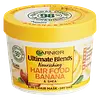 Key Ingredients
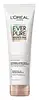
No key ingredients
Benefits
No benefits
Concerns
Ingredients Side-by-side
Water
Skin ConditioningCetearyl Alcohol
Emollient






Glycerin
Humectant


Isopropyl Myristate
Emollient
Stearamidopropyl Dimethylamine
EmulsifyingOlea Europaea Fruit Oil
Masking

Musa Paradisiaca Fruit Juice
Skin ConditioningGlycine Soja Oil
Emollient

Helianthus Annuus Seed Oil
Emollient
Rosmarinus Officinalis Leaf Extract
AntimicrobialCocos Nucifera Oil
Masking
Persea Gratissima Oil
Skin Conditioning
Butyrospermum Parkii Butter
Skin Conditioning
Sodium Hydroxide
BufferingCoco-Caprylate/Caprate
Emollient
Hydroxypropyl Guar Hydroxypropyltrimonium Chloride
Caprylyl Glycol
Emollient
Citric Acid
Buffering

Lactic Acid
Buffering



Tartaric Acid
Buffering
Cetyl Esters
Emollient
Tocopherol
Antioxidant


Potassium Sorbate
Preservative
Sodium Benzoate
Masking
Salicylic Acid
Masking


Caramel
Cosmetic ColorantLinalool
Perfuming
Eugenol
Perfuming
Coumarin
Perfuming
Benzyl Alcohol
Perfuming
Parfum
Masking
Water, Cetearyl Alcohol, Glycerin, Isopropyl Myristate, Stearamidopropyl Dimethylamine, Olea Europaea Fruit Oil, Musa Paradisiaca Fruit Juice, Glycine Soja Oil, Helianthus Annuus Seed Oil, Rosmarinus Officinalis Leaf Extract, Cocos Nucifera Oil, Persea Gratissima Oil, Butyrospermum Parkii Butter, Sodium Hydroxide, Coco-Caprylate/Caprate, Hydroxypropyl Guar Hydroxypropyltrimonium Chloride, Caprylyl Glycol, Citric Acid, Lactic Acid, Tartaric Acid, Cetyl Esters, Tocopherol, Potassium Sorbate, Sodium Benzoate, Salicylic Acid, Caramel, Linalool, Eugenol, Coumarin, Benzyl Alcohol, Parfum



Reviews
Ingredients Explained
These ingredients are found in both products.
Ingredients higher up in an ingredient list are typically present in a larger amount.
Cetearyl alcohol is a waxy mixture of two fatty alcohols: cetyl alcohol and stearyl alcohol. It is an emollient and emulsifier.
Despite having "alcohol" in its name, it has nothing to do with drying solvent alcohols; the FDA also allows "alcohol-free" products to contain fatty alcohols like this ingredient.
It plays several roles in a formula:
Typical use levels for this ingredient sit around 1-10% and the Cosmetic Ingredient Review Expert Panel has affirmed safety at concentrations up to 25% in leave-on products.
Multiple assessments have found it to be non-irritating and non-sensitizing to most people.
However, there have been some cases of allergic contact dermatitis in patients with chronically compromised skin barriers.
Cetearyl alcohol has a comedogenic rating of 2 and irritancy rating of 1. Both of these numbers come from the 1989 study that used rabbit ears; a "2" means mildly comedogenic and a "1" means low irritancy.
Here's the catch: rabbit skin is more sensitive than human skin and throws a lot of false positives. A 1996 reappraisal found that ingredients rated 1-2 in the rabbit ear tests are generally safe for humans.
Remember comedogenic ratings are unable to assess the entire formula of a product or how it will react on your skin. Just be sure to patch test if you are unsure about certain ingredients.
This ingredient is not fungal acne safe. Cetearyl alcohol is a fatty alcohol with chain lengths that fall within the range that Malassezia can metabolize.
A 2019 study has also observed Malassezia growth in the presence of this ingredient, confirming it to be not-fungal acne safe.
Learn more about Cetearyl AlcoholWater. It's the most common cosmetic ingredient of all. You'll usually see it at the top of ingredient lists, meaning that it makes up the largest part of the product.
So why is it so popular? Water most often acts as a solvent - this means that it helps dissolve other ingredients into the formulation.
You'll also recognize water as that liquid we all need to stay alive. If you see this, drink a glass of water. Remember to stay hydrated!
Learn more about Water

