
What's inside
What's inside
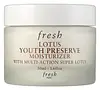 Key Ingredients
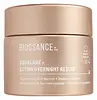
Benefits
Concerns
Ingredients Side-by-side
Water
Skin ConditioningGlycerin
Humectant


Propylene Glycol Dicaprylate/Dicaprate
EmollientPentylene Glycol
Skin Conditioning
Cetearyl Alcohol
Emollient




Caprylic/Capric Triglyceride
Masking
Cetearyl Isononanoate
Emollient
Betaine
Humectant
Steareth-21
CleansingNelumbo Nucifera Extract
Skin ConditioningCitrus Limon Peel Oil
Masking





Cucumis Sativus Fruit Extract
Emollient
Averrhoa Carambola Leaf Extract
HumectantTocopherol
Antioxidant




Silica
Abrasive


Behenyl Alcohol
Emollient
Cetearyl Glucoside
Emulsifying
Sorbitol
Humectant
Dimethicone
Emollient
Sodium PCA
Humectant
Carbomer
Emulsion StabilisingCaprylyl Glycol
Emollient
Butylene Glycol
Humectant
Tromethamine
BufferingCetyl Alcohol
Emollient
Stearyl Alcohol
Emollient
Sodium Hyaluronate
Humectant
Xanthan Gum
EmulsifyingLauroyl Lysine
Skin Conditioning
Adenosine
Skin Conditioning
Glucose
Humectant
Tetrasodium EDTA
Sodium Metabisulfite
Antioxidant
Potassium Sorbate
Preservative
Sodium Benzoate
Masking
Phenoxyethanol
Preservative
Limonene
Perfuming

Citral
Perfuming
Water, Glycerin, Propylene Glycol Dicaprylate/Dicaprate, Pentylene Glycol, Cetearyl Alcohol, Caprylic/Capric Triglyceride, Cetearyl Isononanoate, Betaine, Steareth-21, Nelumbo Nucifera Extract, Citrus Limon Peel Oil, Cucumis Sativus Fruit Extract, Averrhoa Carambola Leaf Extract, Tocopherol, Silica, Behenyl Alcohol, Cetearyl Glucoside, Sorbitol, Dimethicone, Sodium PCA, Carbomer, Caprylyl Glycol, Butylene Glycol, Tromethamine, Cetyl Alcohol, Stearyl Alcohol, Sodium Hyaluronate, Xanthan Gum, Lauroyl Lysine, Adenosine, Glucose, Tetrasodium EDTA, Sodium Metabisulfite, Potassium Sorbate, Sodium Benzoate, Phenoxyethanol, Limonene, Citral
Water
Skin ConditioningGlycerin
Humectant
Squalane
Emollient
Shorea Stenoptera Seed Butter
Emollient
Caprylic/Capric Triglyceride
Masking
C12-16 Alcohols
EmollientSodium Acrylates Copolymer
Ectoin
Skin Conditioning
Jojoba Esters
Emollient
Palmitic Acid
Emollient
Phenoxyethanol
Preservative
Hydrogenated Lecithin
Emulsifying
Hydroxyethyl Acrylate/Sodium Acryloyldimethyl Taurate Copolymer
Emulsion StabilisingLecithin
Emollient
Magnesium Chloride
Ethylhexylglycerin
Skin ConditioningSodium Gluconate
Skin ConditioningCaprylyl Glycol
Emollient
Acetyl Hexapeptide-8
Humectant
Water, Glycerin, Squalane, Shorea Stenoptera Seed Butter, Caprylic/Capric Triglyceride, C12-16 Alcohols, Sodium Acrylates Copolymer, Ectoin, Jojoba Esters, Palmitic Acid, Phenoxyethanol, Hydrogenated Lecithin, Hydroxyethyl Acrylate/Sodium Acryloyldimethyl Taurate Copolymer, Lecithin, Magnesium Chloride, Ethylhexylglycerin, Sodium Gluconate, Caprylyl Glycol, Acetyl Hexapeptide-8
Reviews
Ingredients Explained
These ingredients are found in both products.
Ingredients higher up in an ingredient list are typically present in a larger amount.
Caprylic/Capric Triglyceride (aka MCT Oil) is a lightweight emollient, solvent, and texture enhancer. It is considered a skin-softener by helping to prevent moisture loss.
Though it behaves like an oil, it is not technically one due to its chemical composition. One perk of this ingredient is that it is very stable, resistant to oxidation, and unlikely to go rancid.
In practice, that translates to a long shelf life and a consistently elegant skin feel.
While there is an assumption Caprylic Triglyceride can clog pores due to it being derived from coconut oil, there is no research supporting this. Just patch test if you have concerns.
Fractionated coconut oil and MCT Oil are both listed as Caprylic/Capric Triglyceride according to INCI. This is because INCI names are based on the ingredient’s final chemical composition and not its marketing name or source.
This ingredient is treated as the gold standard fungal acne safe oil. Even though it is coconut derived, the problematic lauric acid is stripped out.
This leaves just caprylic (C8) and capric (C10) acid. These chain lengths actually trend antifungal; a 2020 study found caprylic acid was enough to disrupt Malassezia furfur cell membrane, with a caprylic acid derivative damaging membrane structures at concentrations as low as 0.2%.
Learn more about Caprylic/Capric TriglycerideCaprylyl Glycol is a humectant, skin conditioner, emollient, and preservative booster derived from either caprylic acid or synthetically created.
Typical use levels vary from 0.3-1% as a preservative booster and go up to 2% to condition skin.
Because it is not a free-fatty acid, this ingredient is fungal acne safe (there's nothing for Malassezia to feed on).
Learn more about Caprylyl GlycolGlycerin (or glycerol) is a compound naturally found in your skin. It's a powerhouse humectant that pulls water into the stratum corneum.
Topically, glycerin does several things at once:
Your skin makes glycerin on its own (mostly from sebaceous oil breakdown) and shuttles it to your outermost layer of skin, or your epidermis, via aquaporin-3.
Aquaporin-3 is a transporter that is essential for normal skin hydration, elasticity, and repair. Interestingly, mice lacking in AQP3 have dry and less elastic skin that can be fully corrected with glycerin.
This ingredient is non-irritating, plays well with almost every ingredient, and works across all skin types. Typical use is anywhere between 3-10% but can go up to 79% in some leave-on products.
Just know very high concentrations (>40%) can feel tacky in low humidity.
Glycerin is the name for this ingredient in American English. British English uses Glycerol/Glycerine.
Learn more about GlycerinPhenoxyethanol is a preservative that has germicide, antimicrobial, and aromatic properties. Studies show that phenoxyethanol can prevent microbial growth. By itself, it has a scent that is similar to that of a rose.
It's often used in formulations along with Caprylyl Glycol to preserve the shelf life of products.
Water. It's the most common cosmetic ingredient of all. You'll usually see it at the top of ingredient lists, meaning that it makes up the largest part of the product.
So why is it so popular? Water most often acts as a solvent - this means that it helps dissolve other ingredients into the formulation.
You'll also recognize water as that liquid we all need to stay alive. If you see this, drink a glass of water. Remember to stay hydrated!
Learn more about Water
