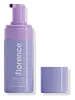
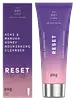
Florence by Mills Clear The Way Clarifying Face Wash Versus PSA SKIN Reset Acai & Manuka Honey Nourishing Cleanser
This salicylic acid gel cleanser is formulated around Salicylic Acid to clear breakouts and unclog pores.


What's inside
What's inside
 Key Ingredients
Benefits
Concerns
Ingredients Side-by-side
Water
Skin ConditioningGlycerin
Humectant


Sodium C14-16 Olefin Sulfonate
Cleansing

Sodium Cocoamphoacetate
CleansingPropanediol
Solvent
Lavandula Angustifolia Oil
Masking



Salicylic Acid
Masking








Niacinamide
Smoothing




Gluconolactone
Chelating
Lactic Acid
Buffering
Glycolic Acid
Buffering
Cocamidopropyl Hydroxysultaine
Cleansing
Ethylhexylglycerin
Skin ConditioningSodium Benzoate
Masking
Xanthan Gum
EmulsifyingCalcium Gluconate
HumectantAmylopectin
Dextrin
AbsorbentPolydextrose
HumectantPhenoxyethanol
Preservative
Tocopherol
Antioxidant

Linalool
Perfuming
Water, Glycerin, Sodium C14-16 Olefin Sulfonate, Sodium Cocoamphoacetate, Propanediol, Lavandula Angustifolia Oil, Salicylic Acid, Niacinamide, Gluconolactone, Lactic Acid, Glycolic Acid, Cocamidopropyl Hydroxysultaine, Ethylhexylglycerin, Sodium Benzoate, Xanthan Gum, Calcium Gluconate, Amylopectin, Dextrin, Polydextrose, Phenoxyethanol, Tocopherol, Linalool
Water
Skin ConditioningPolyacrylate-1 Crosspolymer
Sodium C14-16 Olefin Sulfonate
Cleansing
Glycerin
Humectant
Cocamidopropyl Hydroxysultaine
Cleansing
Vitis Vinifera Seed Oil
Emollient
Sodium Cocoamphoacetate
CleansingPropanediol
Solvent
Carthamus Tinctorius Oleosomes
Emollient
Leuconostoc/Radish Root Ferment Filtrate
Antimicrobial
Helianthus Annuus Seed Oil
Emollient
Hydrolyzed Jojoba Esters
Skin Conditioning
Euterpe Oleracea Fruit Extract
Punica Granatum Extract
AstringentYogurt
Skin ProtectingMel
EmollientEuterpe Oleracea Fruit Oil
Skin Conditioning
Lecithin
Emollient
Tocopherol
Antioxidant
Vanilla Planifolia Fruit Extract
Skin Conditioning
Lactic Acid
Buffering
Gluconolactone
Chelating
Ethylhexylglycerin
Skin ConditioningSodium Benzoate
Masking
Sodium Glycolate
BufferingSodium Hydroxide
BufferingGlycol Distearate
Emollient
Xanthan Gum
EmulsifyingLauryl Glucoside
CleansingSodium Cocoyl Glutamate
Cleansing
Sodium Lauryl Glucose Carboxylate
CleansingCitric Acid
Buffering
O-Cymen-5-Ol
Antimicrobial
Tetrasodium EDTA
ChelatingPhenoxyethanol
Preservative
Water, Polyacrylate-1 Crosspolymer, Sodium C14-16 Olefin Sulfonate, Glycerin, Cocamidopropyl Hydroxysultaine, Vitis Vinifera Seed Oil, Sodium Cocoamphoacetate, Propanediol, Carthamus Tinctorius Oleosomes, Leuconostoc/Radish Root Ferment Filtrate, Helianthus Annuus Seed Oil, Hydrolyzed Jojoba Esters, Euterpe Oleracea Fruit Extract, Punica Granatum Extract, Yogurt, Mel, Euterpe Oleracea Fruit Oil, Lecithin, Tocopherol, Vanilla Planifolia Fruit Extract, Lactic Acid, Gluconolactone, Ethylhexylglycerin, Sodium Benzoate, Sodium Glycolate, Sodium Hydroxide, Glycol Distearate, Xanthan Gum, Lauryl Glucoside, Sodium Cocoyl Glutamate, Sodium Lauryl Glucose Carboxylate, Citric Acid, O-Cymen-5-Ol, Tetrasodium EDTA, Phenoxyethanol
Ingredients Explained
These ingredients are found in both products.
Ingredients higher up in an ingredient list are typically present in a larger amount.
Cocamidopropyl Hydroxysultaine is a synthetic cleansing agent, though it is derived from coconut oil.
It is used to enhance the texture of products by boosting lather and thickening the texture. As a cleanser, Cocamidopropyl Hydroxysultaine is mild.
Ethylhexylglycerin is created from glycerin. It is a multitasker ingredient that:
The CIR Expert Panel found minimal skin absorption or sensitization of any kind in a safety assessment. Though this ingredient is considered well-tolerated, a small number of cases of allergic dermatitis have been published since 2002. Just be sure to patch test if you are unsure.
Industry-reported use ranges from 8% in rinse-off products and 2% in leave-on formulations.
Learn more about EthylhexylglycerinGluconolactone is a PHA. PHAs are a great gentle alternative to traditional AHAs.
When applied, Gluconolactone has the same affect on skin as AHAs such as lactic acid. It helps dissolve the dead skin cells in the top layer of your skin. This improves texture and brightens the skin.
PHAs are more gentle than AHAs due to their larger structure. They do not penetrate as deeply as AHAs and take a longer time to dissolve dead cells. Studies show PHAs do not cause as much irritation.
Gluconolactone has some interesting properties:
In a 2004 study, Gluconolactone was found to prevent UV damage in mouse skin cells and has not been found to increase sun sensitivity. However, we still recommend wearing SPF daily.
This ingredient is is an created by reacting gluconic acid with an alcohol.
Learn more about GluconolactoneGlycerin (or glycerol) is a compound naturally found in your skin. It's a powerhouse humectant that pulls water into the stratum corneum.
Topically, glycerin does several things at once:
Your skin makes glycerin on its own (mostly from sebaceous oil breakdown) and shuttles it to your outermost layer of skin, or your epidermis, via aquaporin-3.
Aquaporin-3 is a transporter that is essential for normal skin hydration, elasticity, and repair. Interestingly, mice lacking in AQP3 have dry and less elastic skin that can be fully corrected with glycerin.
This ingredient is non-irritating, plays well with almost every ingredient, and works across all skin types. Typical use is anywhere between 3-10% but can go up to 79% in some leave-on products.
Just know very high concentrations (>40%) can feel tacky in low humidity.
Glycerin is the name for this ingredient in American English. British English uses Glycerol/Glycerine.
Learn more about GlycerinLactic Acid is another well-loved alpha hydroxy acid (AHA). It is gentler than glycolic acid but still highly effective.
Its main role is to exfoliate the surface of the skin by loosening the “glue” that holds dead skin cells together. Shedding those old cells leads to smoother, softer, and more even-toned skin.
Because lactic acid molecules are larger than glycolic acid, they don’t penetrate as deeply. This means they’re less likely to sting or irritate, making it a great choice for beginners or those with sensitive skin.
Like glycolic acid, it can:
Lactic acid also acts as a humectant (like hyaluronic acid). It can draw water into the skin to improve hydration and also plays a role in the skin's natural moisturizing factor (NMF) in the form of sodium lactate.
Studies show it can boost ceramide production to strengthen the skin barrier and even help balance the skin’s microbiome.
To get results, choose products with a pH between 3-4.
Lower strengths (5-12%) focus on surface exfoliation; higher strengths (12% and up) can reach deeper in the dermis (deeper, supportive layer) to improve skin texture and firmness over time.
Though it was originally derived from milk, most modern lactic acid used in skincare is vegan. It is made through non-dairy fermentation to create a bio-identical and stable form suitable for all formulations.
When lactic acid shows up near the end of an ingredient list, it usually means the brand added just a tiny amount to adjust the product’s pH.
Legend has it that Cleopatra used to bathe in sour milk to help reduce wrinkles.
Lactic acid is truly a gentle multitasker: it exfoliates, hydrates, strengthens, and brightens. It's a great ingredient for giving your skin a smooth, glowing, and healthy look without the harshness of stronger acids.
Read more about some other popular AHA's here:
Learn more about Lactic AcidPhenoxyethanol is one of the most widely used preservatives in skincare (and for good reason!).
It has a large spectrum of antimicrobial activity and especially effective bacteria, yeast, and mold while only having a weak effect on your skin's natural microbiome.
On a cellular level, it disrupts the cell membranes of microbes by poking holes that make the cell leak. This shuts down the chemical reactions the microbe needs to make energy so it can no longer survive.
Another perk of this ingredient is that it stays functional across a wide pH range (3-10).
You'll often see it paired with boosters like Ethylhexylglycerin; one study showed that a 1:9 ratio of Ethylhexylglycerin to Phenoxyethanol damages bacterial membranes as effectively as doubling the Phenoxyethanol concentration on its own.
Typical use concentrations range from 0.3-1% depending on the formula, and this ingredient is capped at 1% int the EU.
Safety-wise, the fear mongering does not hold up to the evidence. The EU's Scientific Committee on Consumer Safety and FDA consider it safe as a preservative at up to 1%, including for children of all ages.
Adverse systemic effects only showed up in animal studies at exposures roughly 200x higher than what people get from cosmetics. And despite its very widespread use, this ingredient is a rare sensitizer and allergic reactions are uncommon.
Learn more about PhenoxyethanolPropanediol is an all-star ingredient. It softens, hydrates, and smooths the skin.
It’s often used to:
Propanediol is not likely to cause sensitivity and considered safe to use. It is derived from corn or petroleum with a clear color and no scent.
Learn more about PropanediolSodium Benzoate is a preservative. It's used in both cosmetic and food products to inhibit the growth of mold and bacteria. It is typically produced synthetically.
Both the US FDA and EU Health Committee have approved the use of sodium benzoate. In the US, levels of 0.1% (of the total product) are allowed.
Sodium benzoate works as a preservative by inhibiting the growth of bacteria inside of cells. It prevents the cell from fermenting a type of sugar using an enzyme called phosphofructokinase.
It is the salt of benzoic acid. Foods containing sodium benzoate include soda, salad dressings, condiments, fruit juices, wines, and snack foods.
Studies for using ascorbic acid and sodium benzoate in cosmetics are lacking, especially in skincare routines with multiple steps.
We always recommend speaking with a professional, such as a dermatologist, if you have any concerns.
Learn more about Sodium BenzoateSodium C14-16 Olefin Sulfonate is a surfactant that helps water and oil mix so that dirt, sweat, sebum, and sunscreen can rinse away easily. It's not technically a sulfate, but behaves similarly in formulas.
What it does:
Sodium C14-16 Olefin Sulfonate is a strong cleansing surfactant and is much stronger than many mild cleansers. Because it works deeply, it can disrupt the skin's barrier. This can lead to dryness or irritation for those with sensitive skin.
Compared to gentler surfactants, it's effective but more likely to dry or irritate if not balanced with soothing ingredients.
CIR considers sodium α-olefin sulfonates (including C14-16) to be safe for use in rinse-off products when properly formulated. It is poorly absorbed through normal skin but absorption increases if the skin barrier is already damaged.
Learn more about Sodium C14-16 Olefin SulfonateWe don't have a description for Sodium Cocoamphoacetate yet.
Tocopherol is a fat-soluble antioxidant known as Vitamin E.
You'll find this ingredient in the vast majority of skincare (for good reason). It works to neutralize free radicals, or unstable molecules generated by UV exposure, pollution, and other environmental stressors, before they can cause oxidative damage to your skin cells.
Topically applied tocopherol has been shown to protect against UV damage by ramping up the skin's own natural defense enzymes.
It also acts as a skin conditioning agent; some studies show that regular topical use can improve the skin's water-binding capacity over 2-4 weeks.
This ingredient is especially loved for being a team player. When combined with Vitamin C, the photoprotective effect of both ingredients roughly doubles and the combo also helps reduce UV-induced DNA damage.
This ingredient has some brightening potential but it's more of a prevention ingredient than spot-fader. Cell studies show it can slow down melanin production but it's worth noting that it's not the most powerful brightener out there.
In formulations, it also serves as a stabilizer that helps protect other oxidation-prone ingredients from degrading.
Concentrations usually range from 0.1-1% in most leave-on products.
Learn more about TocopherolWater. It's the most common cosmetic ingredient of all. You'll usually see it at the top of ingredient lists, meaning that it makes up the largest part of the product.
So why is it so popular? Water most often acts as a solvent - this means that it helps dissolve other ingredients into the formulation.
You'll also recognize water as that liquid we all need to stay alive. If you see this, drink a glass of water. Remember to stay hydrated!
Learn more about WaterXanthan gum is used as a stabilizer and thickener within cosmetic products. It helps give products a sticky, thick feeling - preventing them from being too runny.
On the technical side of things, xanthan gum is a polysaccharide - a combination consisting of multiple sugar molecules bonded together.
Xanthan gum is a pretty common and great ingredient. It is a natural, non-toxic, non-irritating ingredient that is also commonly used in food products.
Learn more about Xanthan Gum

