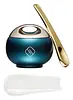
This barrier-repair lip moisturizer is formulated around Bis-Diglyceryl Polyacyladipate-2 and Simmondsia Chinensis Seed Oil to strengthen the lip barrier and hydrate lips.
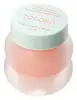
This hydrating lip mask is formulated around Olea Europaea Fruit Oil and Tocopheryl Acetate to hydrate lips.


What's inside
What's inside
 Key Ingredients
Benefits
Concerns
Ingredients Side-by-side
Pentaerythrityl Tetraisostearate
Emollient

Tridecyl Trimellitate
EmollientHydrogenated Polydecene
EmollientCera Microcristallina
Emulsion StabilisingBis-Diglyceryl Polyacyladipate-2
Emollient
Ozokerite
Emulsion StabilisingSilica Dimethyl Silylate
EmollientCandelilla Cera
Emollient
Euphorbia Cerifera Wax
Simmondsia Chinensis Seed Oil
Emollient


Phytosteryl Isostearate
Skin ConditioningPhytosteryl/Octyldodecyl Lauroyl Glutamate
Skin ConditioningRosa Damascena Flower Oil
Masking



Dendrobium Candidum Extract
EmollientMyrothamnus Flabellifolia Leaf/Stem Extract
HumectantSelaginella Tamariscina Extract
Skin ConditioningScutellaria Baicalensis Root Extract
Astringent
Sophora Angustifolia Root Extract
Skin ConditioningGlycyrrhiza Inflata Root Extract
Skin Conditioning
Polygonatum Officinale Rhizome/Root Extract
Skin ConditioningPhysalis Alkekengi Calyx Extract
Skin ConditioningGlycerin
Humectant
Hydroxystearic Acid
Cleansing
Mentha Piperita Oil
Masking

Menthol
Masking
Tocopherol
Antioxidant




Water
Skin ConditioningGlyceryl Glucoside
Humectant
Butylene Glycol
Humectant
Propanediol
Solvent
1,2-Hexanediol
Skin Conditioning
Hydroxyacetophenone
Antioxidant
Pentaerythrityl Tetraisostearate, Tridecyl Trimellitate, Hydrogenated Polydecene, Cera Microcristallina, Bis-Diglyceryl Polyacyladipate-2, Ozokerite, Silica Dimethyl Silylate, Candelilla Cera, Euphorbia Cerifera Wax, Simmondsia Chinensis Seed Oil, Phytosteryl Isostearate, Phytosteryl/Octyldodecyl Lauroyl Glutamate, Rosa Damascena Flower Oil, Dendrobium Candidum Extract, Myrothamnus Flabellifolia Leaf/Stem Extract, Selaginella Tamariscina Extract, Scutellaria Baicalensis Root Extract, Sophora Angustifolia Root Extract, Glycyrrhiza Inflata Root Extract, Polygonatum Officinale Rhizome/Root Extract, Physalis Alkekengi Calyx Extract, Glycerin, Hydroxystearic Acid, Mentha Piperita Oil, Menthol, Tocopherol, Water, Glyceryl Glucoside, Butylene Glycol, Propanediol, 1,2-Hexanediol, Hydroxyacetophenone
Hydrogenated Polyisobutene
EmollientEthylene/Propylene/Styrene Copolymer
Butylene/Ethylene/Styrene Copolymer
Pentaerythrityl Tetra-Di-T-Butyl Hydroxyhydrocinnamate
Antioxidant
Phytosteryl/Isostearyl/Cetyl/Stearyl/Behenyl Dimer Dilinoleate
Skin Conditioning
Diisostearyl Malate
EmollientPolyglyceryl-2 Triisostearate
Emulsifying
Microcrystalline Wax
Emulsion StabilisingHydrogenated Poly(C6-14 Olefin)
EmollientOlea Europaea Fruit Oil
Masking
Bis-Behenyl/Isostearyl/Phytosteryl Dimer Dilinoleyl Dimer Dilinoleate
EmollientPolyethylene
Abrasive
Silica Dimethyl Silylate
EmollientSorbitan Sesquioleate
Emulsifying
Tocopheryl Acetate
Antioxidant
Eclipta Prostrata Extract
Skin Conditioning
Melia Azadirachta Leaf Extract
Skin ConditioningMoringa Oleifera Seed Oil
Emollient
Hippophae Rhamnoides Fruit Oil
Skin Protecting
Parfum
Masking
Dehydroacetic Acid
Preservative
Dimethicone
Emollient
Simmondsia Chinensis Seed Oil
Emollient
Punica Granatum Flower Extract
Skin Conditioning
Raspberry Seed Oil/Tocopheryl Succinate Aminopropanediol Esters
Skin Conditioning
Water
Skin ConditioningButylene Glycol
Humectant
1,2-Hexanediol
Skin Conditioning
Lactobionic Acid
Buffering




Hydrogenated Polyisobutene, Ethylene/Propylene/Styrene Copolymer, Butylene/Ethylene/Styrene Copolymer, Pentaerythrityl Tetra-Di-T-Butyl Hydroxyhydrocinnamate, Phytosteryl/Isostearyl/Cetyl/Stearyl/Behenyl Dimer Dilinoleate, Diisostearyl Malate, Polyglyceryl-2 Triisostearate, Microcrystalline Wax, Hydrogenated Poly(C6-14 Olefin), Olea Europaea Fruit Oil, Bis-Behenyl/Isostearyl/Phytosteryl Dimer Dilinoleyl Dimer Dilinoleate, Polyethylene, Silica Dimethyl Silylate, Sorbitan Sesquioleate, Tocopheryl Acetate, Eclipta Prostrata Extract, Melia Azadirachta Leaf Extract, Moringa Oleifera Seed Oil, Hippophae Rhamnoides Fruit Oil, Parfum, Dehydroacetic Acid, Dimethicone, Simmondsia Chinensis Seed Oil, Punica Granatum Flower Extract, Raspberry Seed Oil/Tocopheryl Succinate Aminopropanediol Esters, Water, Butylene Glycol, 1,2-Hexanediol, Lactobionic Acid
Reviews
Alternatives
Ingredients Explained
These ingredients are found in both products.
Ingredients higher up in an ingredient list are typically present in a larger amount.
1,2-Hexanediol is a synthetic liquid and another multi-functional powerhouse.
It is a:
- Humectant, drawing moisture into the skin
- Emollient, helping to soften skin
- Solvent, dispersing and stabilizing formulas
- Preservative booster, enhancing the antimicrobial activity of other preservatives
Butylene Glycol (or BG) is used within cosmetic products for a few different reasons:
Overall, Butylene Glycol is a safe and well-rounded ingredient that works well with other ingredients.
Though this ingredient works well with most skin types, some people with sensitive skin may experience a reaction such as allergic rashes, closed comedones, or itchiness.
Learn more about Butylene GlycolThis silica is mainly used to thicken oils and suspend particles in oils. It is not water soluble.
According to the manufacturer, it:
The manufacturer also claims this ingredient to be useful in makeup.
In lipstick formulations, this ingredient improves color payoff, reduces pigment settling, and reduces oil bleeding. This ingredient also improves the grip of powder products such as dry shampoos.
Learn more about Silica Dimethyl SilylateJojoba oil is one of the most well-studied plant-derived ingredients in cosmetics. It is an emollient with a special structure.
Because it is made up of 97-98% wax esters, it closely mirrors the linear monoesters found in human sebum. This makes it skin compatible, non-greasy, and lightweight.
Unlike other plant oils, jojoba wax doesn't easily penetrate skin. It mostly works in the uppermost layers as an emollient. This just means it forms a light barrier on the skin to help retain moisture.
Formulations with jojoba esters up to 90% reduced transepidermal water loss (TEWL) and increased barrier recovery by 81% (outperforming bisabolol at 47%).
Besides barrier support, the science also suggests jojoba to have anti-inflammatory effects and potential applications for skin infections, aging, and wound healing.
Fun fact: Indigenous cultures have used jojoba as a moisturizer and to help treat burns for centuries.
Fungal acne: The Malassezia yeast is known to metabolize fatty acids in the C11-24 range and jojoba's dominant fatty acid components fall into this range. This ingredient may not be fungal acne safe.
Learn more about Simmondsia Chinensis Seed OilWater. It's the most common cosmetic ingredient of all. You'll usually see it at the top of ingredient lists, meaning that it makes up the largest part of the product.
So why is it so popular? Water most often acts as a solvent - this means that it helps dissolve other ingredients into the formulation.
You'll also recognize water as that liquid we all need to stay alive. If you see this, drink a glass of water. Remember to stay hydrated!
Learn more about Water

