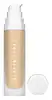
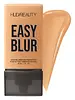
Fenty Beauty Soft’Lit Naturally Luminous Longwear Foundation Versus Huda Beauty Easy Blur Natural Airbrush Foundation

What's inside
What's inside
 Key Ingredients
Benefits
Concerns
Ingredients Side-by-side
Water
Skin ConditioningDimethicone
Emollient

Butylene Glycol Dicaprylate/Dicaprate
EmollientDiphenylsiloxy Phenyl Trimethicone
Skin Conditioning
Glycerin
Humectant

Synthetic Fluorphlogopite
Cetyl PEG/PPG-10/1 Dimethicone
Emulsifying
Trisiloxane
Skin Conditioning
Butylene Glycol
Humectant
1,2-Hexanediol
Skin Conditioning
Trimethylsiloxysilicate
Emollient
Disteardimonium Hectorite
StabilisingPEG-10 Dimethicone
Skin Conditioning
Polyphenylsilsesquioxane
Magnesium Sulfate
Dimethicone Crosspolymer
Emulsion Stabilising
Lauroyl Lysine
Skin Conditioning
Triethoxycaprylylsilane
Aluminum Hydroxide
EmollientPolyhydroxystearic Acid
Emulsifying

Ethylhexyl Palmitate
Emollient


Isopropyl Myristate
Emollient
Isostearic Acid
Cleansing
Lecithin
Emollient
Terminalia Ferdinandiana Fruit Extract
Antioxidant
Trisodium Ethylenediamine Disuccinate
Polyglyceryl-3 Polyricinoleate
Emulsifying
Cyperus Rotundus Root Extract
Skin ConditioningCI 77891
Cosmetic ColorantIron Oxides
Water, Dimethicone, Butylene Glycol Dicaprylate/Dicaprate, Diphenylsiloxy Phenyl Trimethicone, Glycerin, Synthetic Fluorphlogopite, Cetyl PEG/PPG-10/1 Dimethicone, Trisiloxane, Butylene Glycol, 1,2-Hexanediol, Trimethylsiloxysilicate, Disteardimonium Hectorite, PEG-10 Dimethicone, Polyphenylsilsesquioxane, Magnesium Sulfate, Dimethicone Crosspolymer, Lauroyl Lysine, Triethoxycaprylylsilane, Aluminum Hydroxide, Polyhydroxystearic Acid, Ethylhexyl Palmitate, Isopropyl Myristate, Isostearic Acid, Lecithin, Terminalia Ferdinandiana Fruit Extract, Trisodium Ethylenediamine Disuccinate, Polyglyceryl-3 Polyricinoleate, Cyperus Rotundus Root Extract, CI 77891, Iron Oxides
Water
Skin ConditioningCyclopentasiloxane
Emollient
Isododecane
EmollientEthylhexyl Palmitate
Emollient
Cetyl PEG/PPG-10/1 Dimethicone
Emulsifying
Polyglyceryl-4 Isostearate
Emulsifying
Propylene Glycol
Humectant
Diphenyl Dimethicone
Emollient
Acetylated Glycol Stearate
Emollient
Niacinamide
Smoothing








Trimethylsiloxysilicate
Emollient
Vinyl Dimethicone/Methicone Silsesquioxane Crosspolymer
Disteardimonium Hectorite
StabilisingMethyl Methacrylate Crosspolymer
Sodium Chloride
MaskingPrunus Cerasus Fruit Water
EmollientDimethicone Crosspolymer
Emulsion Stabilising
Phenoxyethanol
Preservative
Silica
Abrasive
Sodium Dehydroacetate
Preservative
Magnesium Stearate
Cosmetic ColorantZeolite
AbsorbentMica
Cosmetic ColorantSilica Dimethyl Silylate
EmollientTriethoxycaprylylsilane
Aluminum Hydroxide
EmollientSodium Phytate
Butylene Glycol
Humectant
Trimethylsiloxysilylcarbamoyl Pullulan
Citric Acid
Buffering
Phenylpropanol
Masking

Aloe Barbadensis Leaf Extract
Emollient
Laminaria Saccharina Extract
Skin Protecting
Zinc Sulfate
Antimicrobial
Pyridoxine Hcl
Skin ConditioningCI 77491
Cosmetic ColorantCI 77492
Cosmetic ColorantCI 77499
Cosmetic ColorantCI 77891
Cosmetic ColorantWater, Cyclopentasiloxane, Isododecane, Ethylhexyl Palmitate, Cetyl PEG/PPG-10/1 Dimethicone, Polyglyceryl-4 Isostearate, Propylene Glycol, Diphenyl Dimethicone, Acetylated Glycol Stearate, Niacinamide, Trimethylsiloxysilicate, Vinyl Dimethicone/Methicone Silsesquioxane Crosspolymer, Disteardimonium Hectorite, Methyl Methacrylate Crosspolymer, Sodium Chloride, Prunus Cerasus Fruit Water, Dimethicone Crosspolymer, Phenoxyethanol, Silica, Sodium Dehydroacetate, Magnesium Stearate, Zeolite, Mica, Silica Dimethyl Silylate, Triethoxycaprylylsilane, Aluminum Hydroxide, Sodium Phytate, Butylene Glycol, Trimethylsiloxysilylcarbamoyl Pullulan, Citric Acid, Phenylpropanol, Aloe Barbadensis Leaf Extract, Laminaria Saccharina Extract, Zinc Sulfate, Pyridoxine Hcl, CI 77491, CI 77492, CI 77499, CI 77891
Reviews
Ingredients Explained
These ingredients are found in both products.
Ingredients higher up in an ingredient list are typically present in a larger amount.
Aluminum Hydroxide is a form of aluminum. It can be naturally found in nature as the mineral gibbsite. In cosmetics, Aluminum Hydroxide is used as a colorant, pH adjuster, and absorbent.
As a colorant, Aluminum Hydroxide may add opacity, or reduce the transparency. Aluminum hydroxide is contains both basic and acidic properties.
According to manufacturers, this ingredient is an emollient and humectant. This means it helps hydrate the skin.
In medicine, this ingredient is used to help relieve heartburn and help heal ulcers.
There is currently no credible scientific evidence linking aluminum hydroxide in cosmetics to increased cancer risk.
Major health organizations allow the use of aluminum hydroxide in personal care products and have not flagged it as a carcinogenic risk at typical usage levels.
Learn more about Aluminum HydroxideButylene Glycol (or BG) is used within cosmetic products for a few different reasons:
Overall, Butylene Glycol is a safe and well-rounded ingredient that works well with other ingredients.
Though this ingredient works well with most skin types, some people with sensitive skin may experience a reaction such as allergic rashes, closed comedones, or itchiness.
Learn more about Butylene GlycolThis ingredient is a silicone-based emulsifer that helps the water and oil phases play nicely together.
It's pretty effective because one end of the molecule loves oil and the other one loves water.
Besides holding formulas together, it also leaves a silky and lightweight feel on skin without the greasiness. A manufacturer also claims it can help with the controlled release of active ingredients.
The CIR Expert Panel found this ingredient to not be sensitizing in concentrations up to 15% in human maximazation testing and dimethicone-based compounds were not comedogenic.
It has a high molecular weight well above 1,000 g/mol which means it limits meaningful skin penetration.
A 2019 study specifically tested this ingredient and found no observable Malassezia growth in its presence.
Learn more about Cetyl PEG/PPG-10/1 DimethiconeCi 77891 is a white pigment from Titanium dioxide. It is naturally found in minerals such as rutile and ilmenite.
It's main function is to add a white color to cosmetics. It can also be mixed with other colors to create different shades.
Ci 77891 is commonly found in sunscreens due to its ability to block UV rays.
Learn more about CI 77891Dimethicone Crosspolymer is a silicone created by modifying dimethicone with hydrocarbon side chains. Due to its large size, it does not penetrate skin. It is considered non-occlusive.
Dimethicone Crosspolymer is used to stabilize and thicken products. It also helps give products a silky feel.
Disteardimonium Hectorite comes from the clay mineral named hectorite. It is used to add thickness to a product.
It can also help stabilize a product by helping to disperse other ingredients.
Hectorite is a rare, white clay mineral.
Learn more about Disteardimonium HectoriteEthylhexyl Palmitate, also known as octyl palmitate, is created from 2-ethylhexyl alcohol and palmitic acid.
In cosmetics, it plays many roles:
One thing worth noting: a controlled study found this ingredient applied under occlusion to acne-prone subjects increased microcomedones. Just keep in mind this was under occlusive conditions and don't reflect how most products are used day-to-day.
For most people, this is a well-tolerated and lightweight ingredient.
This ingredient may not be fungal acne safe because it is an ester of palmitic acid, a C16 fatty acid that falls within the C11-24 range that Malassezia can metabolize.
Learn more about Ethylhexyl PalmitateTriethoxycaprylylsilane is a silicon-based surface modifier that makes sunscreens feel silky and makeup stay put.
Its main job is to coat mineral particles like titanium dioxide, zinc oxide, and color pigments in a thin, oily layer so they spread smoothly, don't clump, and stick to skin better.
This ingredient is typically used at low levels (up to 2.5% in eyeshadow and 1% in lipstick).
Learn more about TriethoxycaprylylsilaneThis silicone is an emollient. Emollients create a thin film on the skin to prevent moisture from escaping.
It is not soluble in water and helps increase water-resistance in products.
According to a manufacturer, it can blend seamlessly with silicone oils, such as Cyclopentasiloxane.
Learn more about TrimethylsiloxysilicateWater. It's the most common cosmetic ingredient of all. You'll usually see it at the top of ingredient lists, meaning that it makes up the largest part of the product.
So why is it so popular? Water most often acts as a solvent - this means that it helps dissolve other ingredients into the formulation.
You'll also recognize water as that liquid we all need to stay alive. If you see this, drink a glass of water. Remember to stay hydrated!
Learn more about Water

