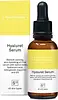
This brightening serum is formulated around Niacinamide and Sodium Ascorbyl Phosphate to fade the look of dark spots and refine skin texture.
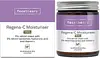
This anti-aging night moisturizer is formulated around Retinol and Sodium Ascorbyl Phosphate to soften the look of wrinkles and brighten dull-looking skin.

What's inside
What's inside
 Key Ingredients
Benefits
Concerns
Ingredients Side-by-side
Water
Skin ConditioningPropanediol
Solvent

Niacinamide
Smoothing










Sodium Ascorbyl Phosphate
Antioxidant

Lactic Acid
Buffering



Anethum Graveolens Herb Extract
Perfuming
Glycyrrhiza Glabra Root Extract
Bleaching
Sodium Levulinate
Skin ConditioningSodium Benzoate
Masking
Gellan Gum
Sodium Retinoyl Hyaluronate
Magnesium Carboxymethyl Beta-Glucan
Skin ConditioningSodium Carboxymethyl Beta-Glucan
CleansingCalcium PCA
Humectant
Citric Acid
Buffering
Potassium Sorbate
Preservative
Water, Propanediol, Niacinamide, Sodium Ascorbyl Phosphate, Lactic Acid, Anethum Graveolens Herb Extract, Glycyrrhiza Glabra Root Extract, Sodium Levulinate, Sodium Benzoate, Gellan Gum, Sodium Retinoyl Hyaluronate, Magnesium Carboxymethyl Beta-Glucan, Sodium Carboxymethyl Beta-Glucan, Calcium PCA, Citric Acid, Potassium Sorbate
Water
Skin ConditioningGlycerin
Humectant
Butyrospermum Parkii Butter
Skin Conditioning


Prunus Amygdalus Dulcis Oil
Skin Conditioning
Glyceryl Stearate Se
Emulsifying
Caprylic/Capric Triglyceride
Masking
Cetyl Alcohol
Emollient
Prunus Armeniaca Kernel Oil
Masking
Olea Europaea Fruit Oil
Masking
Stearic Acid
Cleansing
Oryza Sativa Bran Oil
Emollient
Aloe Barbadensis Leaf Juice
Skin Conditioning
Sodium Levulinate
Skin ConditioningSodium Anisate
AntimicrobialCitrus Nobilis Peel Oil 0.485%
Masking
Cetyl Hydroxyethylcellulose
Emulsion StabilisingGlyceryl Caprylate
EmollientXanthan Gum
EmulsifyingRetinol
Skin Conditioning
Phospholipids
Skin Conditioning
Tocopherol
Antioxidant
Rosmarinus Officinalis Leaf Extract
AntimicrobialArgania Spinosa Kernel Oil
Emollient
Sodium Ascorbyl Phosphate
Antioxidant
Ferulic Acid
Antimicrobial
Sodium Phytate
ChelatingWater, Glycerin, Butyrospermum Parkii Butter, Prunus Amygdalus Dulcis Oil, Glyceryl Stearate Se, Caprylic/Capric Triglyceride, Cetyl Alcohol, Prunus Armeniaca Kernel Oil, Olea Europaea Fruit Oil, Stearic Acid, Oryza Sativa Bran Oil, Aloe Barbadensis Leaf Juice, Sodium Levulinate, Sodium Anisate, Citrus Nobilis Peel Oil 0.485%, Cetyl Hydroxyethylcellulose, Glyceryl Caprylate, Xanthan Gum, Retinol, Phospholipids, Tocopherol, Rosmarinus Officinalis Leaf Extract, Argania Spinosa Kernel Oil, Sodium Ascorbyl Phosphate, Ferulic Acid, Sodium Phytate
Ingredients Explained
These ingredients are found in both products.
Ingredients higher up in an ingredient list are typically present in a larger amount.
Sodium Ascorbyl Phosphate (SAP) is a water-soluble form of Vitamin C. It is the salt of ascorbic acid.
This ingredient is commonly used in skincare because it's more formulation-stable while still offering the same benefits as pure ascorbic acid. Ascorbic acid is notorious for breaking down when exposed to sunlight and oxygen whereas SAP has been shown to be more stable.
Studies show SAP has anti-acne and antioxidant benefits. One study found 5% of SAP lotion to be an effective ingredient for treating acne vulgaris. This is because research shows that SAP may help control acne by reducing acne-causing bacteria and slowing the oxidation of skin oils caused by UV exposure.
In addition to acne, vitamin C is important for skin structure. Lab studies suggest SAP may support collagen production in skin cells, making it a great ingredient in anti-aging routines.
Vitamin C has many benefits: it helps reduce redness, improve skin texture, fade the appearance of dark spots, and brighten the skin.
Read more about other types of Vitamin C:
Learn more about Sodium Ascorbyl PhosphateSodium levulinate is the a sodium salt of Levulinic Acid. Oncedissolved in an aqueous solution, the two ingredients become identical. It is usually derived from renewable plant sources like corn starch or sugarcane.
In skincare, it mostly acts as a skin conditioning agent that keeps skin soft and hydrated. It also acts as a preservative booster by inhibiting the growth of mold, yeast, and bacteria.
It's often paired with Sodium Anisate as the two create a broad-spectrum preservative system that is popular in "natural" formulations.
This ingredient is water-soluble.
The CIR Expert Panel for Cosmetic Ingredient Safety has concluded this ingredient to be non-irritated and there are no restrictions for use in EU cosmetics. The FDA also allows this ingredient to be used as a food-grade flavoring agent.
Learn more about Sodium LevulinateWater. It's the most common cosmetic ingredient of all. You'll usually see it at the top of ingredient lists, meaning that it makes up the largest part of the product.
So why is it so popular? Water most often acts as a solvent - this means that it helps dissolve other ingredients into the formulation.
You'll also recognize water as that liquid we all need to stay alive. If you see this, drink a glass of water. Remember to stay hydrated!
Learn more about Water

