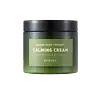
This calming moisturizer is formulated around Dipotassium Glycyrrhizate to calm redness.
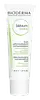
This barrier-repair moisturizer is formulated around Glycyrrhetinic Acid and Allantoin to strengthen the skin barrier and hydrate skin.


What's inside
What's inside
 Key Ingredients
Benefits
Concerns
Ingredients Side-by-side
Water
Skin ConditioningGlycerin
Humectant


Dipropylene Glycol
HumectantCaprylic/Capric Triglyceride
Masking
Betaine
Humectant
Xylitol
Humectant
Butylene Glycol
Humectant
Ethylhexyl Palmitate
Emollient




Isohexadecane
EmollientPolysorbate 80
Emulsifying
Actinidia Chinensis Fruit Extract
EmollientVitis Vinifera Fruit Extract
Skin ConditioningSpinacia Oleracea Leaf Extract
Skin ConditioningBrassica Oleracea Acephala Leaf Extract
HumectantBrassica Oleracea Gemmifera Extract
AstringentBrassica Oleracea Capitata Leaf Extract
Skin ConditioningBrassica Oleracea Italica Extract
AstringentBrassica Oleracea Botrytis Extract
Skin ConditioningApium Graveolens Extract
Skin ConditioningArtemisia Princeps Leaf Extract
Skin ConditioningPisum Sativum Extract
Skin ConditioningPrunus Mume Fruit Extract
Humectant
Copper Chlorophyll
Cosmetic ColorantCoptis Japonica Root Extract
Skin ConditioningHydroxyethyl Acrylate/Sodium Acryloyldimethyl Taurate Copolymer
Emulsion StabilisingCarbomer
Emulsion StabilisingSodium Polyacrylate
Absorbent
Sodium Acrylate/Sodium Acryloyldimethyl Taurate Copolymer
Emulsion StabilisingDipotassium Glycyrrhizate
Humectant
Disodium EDTA
ChelatingTromethamine
BufferingHydroxyacetophenone
Antioxidant
1,2-Hexanediol
Skin Conditioning
Ethylhexylglycerin
Skin ConditioningParfum
Masking


Water, Glycerin, Dipropylene Glycol, Caprylic/Capric Triglyceride, Betaine, Xylitol, Butylene Glycol, Ethylhexyl Palmitate, Isohexadecane, Polysorbate 80, Actinidia Chinensis Fruit Extract, Vitis Vinifera Fruit Extract, Spinacia Oleracea Leaf Extract, Brassica Oleracea Acephala Leaf Extract, Brassica Oleracea Gemmifera Extract, Brassica Oleracea Capitata Leaf Extract, Brassica Oleracea Italica Extract, Brassica Oleracea Botrytis Extract, Apium Graveolens Extract, Artemisia Princeps Leaf Extract, Pisum Sativum Extract, Prunus Mume Fruit Extract, Copper Chlorophyll, Coptis Japonica Root Extract, Hydroxyethyl Acrylate/Sodium Acryloyldimethyl Taurate Copolymer, Carbomer, Sodium Polyacrylate, Sodium Acrylate/Sodium Acryloyldimethyl Taurate Copolymer, Dipotassium Glycyrrhizate, Disodium EDTA, Tromethamine, Hydroxyacetophenone, 1,2-Hexanediol, Ethylhexylglycerin, Parfum
Water
Skin ConditioningGlycerin
Humectant
Paraffinum Liquidum
Emollient
Ethylhexyl Palmitate
Emollient
Dipropylene Glycol
HumectantXylitol
Humectant
Bis-PEG/PPG-16/16 PEG/PPG-16/16 Dimethicone
Emollient
Sodium Acrylate/Sodium Acryloyldimethyl Taurate Copolymer
Emulsion StabilisingIsohexadecane
EmollientCaprylic/Capric Triglyceride
Masking
Glycyrrhetinic Acid
Skin Conditioning
Tocopheryl Acetate
Antioxidant

Polysorbate 80
Emulsifying
Disodium EDTA
ChelatingAllantoin
Skin Conditioning
Fructooligosaccharides
Humectant
Mannitol
Humectant
Propylene Glycol
Humectant
Cetrimonium Bromide
Antimicrobial
Ceramide NP
Skin Conditioning

Rhamnose
HumectantGinkgo Biloba Leaf Extract
Skin Conditioning
Dodecyl Gallate
Antioxidant
Laminaria Ochroleuca Extract
Skin Conditioning
Parfum
Masking
Water, Glycerin, Paraffinum Liquidum, Ethylhexyl Palmitate, Dipropylene Glycol, Xylitol, Bis-PEG/PPG-16/16 PEG/PPG-16/16 Dimethicone, Sodium Acrylate/Sodium Acryloyldimethyl Taurate Copolymer, Isohexadecane, Caprylic/Capric Triglyceride, Glycyrrhetinic Acid, Tocopheryl Acetate, Polysorbate 80, Disodium EDTA, Allantoin, Fructooligosaccharides, Mannitol, Propylene Glycol, Cetrimonium Bromide, Ceramide NP, Rhamnose, Ginkgo Biloba Leaf Extract, Dodecyl Gallate, Laminaria Ochroleuca Extract, Parfum
Reviews
Ingredients Explained
These ingredients are found in both products.
Ingredients higher up in an ingredient list are typically present in a larger amount.
Caprylic/Capric Triglyceride (aka MCT Oil) is a lightweight emollient, solvent, and texture enhancer. It is considered a skin-softener by helping to prevent moisture loss.
Though it behaves like an oil, it is not technically one due to its chemical composition. One perk of this ingredient is that it is very stable, resistant to oxidation, and unlikely to go rancid.
In practice, that translates to a long shelf life and a consistently elegant skin feel.
While there is an assumption Caprylic Triglyceride can clog pores due to it being derived from coconut oil, there is no research supporting this. Just patch test if you have concerns.
Fractionated coconut oil and MCT Oil are both listed as Caprylic/Capric Triglyceride according to INCI. This is because INCI names are based on the ingredient’s final chemical composition and not its marketing name or source.
This ingredient is treated as the gold standard fungal acne safe oil. Even though it is coconut derived, the problematic lauric acid is stripped out.
This leaves just caprylic (C8) and capric (C10) acid. These chain lengths actually trend antifungal; a 2020 study found caprylic acid was enough to disrupt Malassezia furfur cell membrane, with a caprylic acid derivative damaging membrane structures at concentrations as low as 0.2%.
Learn more about Caprylic/Capric TriglycerideDipropylene Glycol is a synthetically created humectant, stabilizer, and solvent.
This ingredient helps:
Dipropylene glycol is technically an alcohol, but it belongs to the glycol family (often considered part of the ‘good’ alcohols). This means it is hydrating and gentle on skin unlike drying solvent alcohols like denatured alcohol.
As a masking agent, Dipropylene Glycol can be used to cover the smell of other ingredients. However, it does not have a scent.
Studies show Dipropylene Glycol is considered safe to use in skincare.
Learn more about Dipropylene GlycolDisodium EDTA is a chelating agent. It grabs onto and deactivates metal ions that sneak into your products from water, packaging, or air.
This ingredient mainly works behind the scenes and helps with:
On top of that, this ingredient can counteract the effects of hard water by binding to the minerals in it.
One thing worth knowing is that Disodium EDTA has been shown to be a mild penetration enhancer. It can help other ingredients absorb into skin more effectively which can be a double-edged sword (great for actives, but can also make the active too strong if you have sensitive skin).
Clinical patch testing showed no significant skin irritation at typical use concentrations and minimal dermal absorption.
You'll most likely see this ingredient near the end of an ingredient list. It's typically found in concentrations less than 1%.
Learn more about Disodium EDTAEthylhexyl Palmitate, also known as octyl palmitate, is created from 2-ethylhexyl alcohol and palmitic acid.
In cosmetics, it plays many roles:
One thing worth noting: a controlled study found this ingredient applied under occlusion to acne-prone subjects increased microcomedones. Just keep in mind this was under occlusive conditions and don't reflect how most products are used day-to-day.
For most people, this is a well-tolerated and lightweight ingredient.
This ingredient may not be fungal acne safe because it is an ester of palmitic acid, a C16 fatty acid that falls within the C11-24 range that Malassezia can metabolize.
You'll see this one rated 4 comedogenic all over the internet. That number isn't from a single study, and the actual research is more interesting.
The original rating comes from 1980s rabbit ear tests (which are a shaky basis for anything). But Ethylhexyl Palmitate is one of the few ingredients with real human data behind it. A 2021 controlled trial found this ingredient increased microcomedones by an average of 365% over four weeks.
Just know that test used the pure ingredient under an occlusive pad on back skin; most products use it at much lower levels alongside other ingredients and plenty of people use those with no issue.
Learn more about Ethylhexyl PalmitateGlycerin (or glycerol) is a compound naturally found in your skin. It's a powerhouse humectant that pulls water into the stratum corneum.
Topically, glycerin does several things at once:
Your skin makes glycerin on its own (mostly from sebaceous oil breakdown) and shuttles it to your outermost layer of skin, or your epidermis, via aquaporin-3.
Aquaporin-3 is a transporter that is essential for normal skin hydration, elasticity, and repair. Interestingly, mice lacking in AQP3 have dry and less elastic skin that can be fully corrected with glycerin.
This ingredient is non-irritating, plays well with almost every ingredient, and works across all skin types. Typical use is anywhere between 3-10% but can go up to 79% in some leave-on products.
Just know very high concentrations (>40%) can feel tacky in low humidity.
Glycerin is the name for this ingredient in American English. British English uses Glycerol/Glycerine.
Learn more about GlycerinIsohexadecane is added to enhance texture, emulsify, and to help cleanse. It is an isoparrafin. It is a component of petrolatum.
Due to its large size, Isohexadecane is not absorbed by the skin. Instead, it sits on top and acts as an emollient. Emollients help keep your skin soft and smooth by trapping moisture within.
Isohexadecane is often used in products designed to help oily skin. It is lightweight and non-greasy while helping to moisturize. When mixed with silicones, it gives a product a silky feel.
Learn more about IsohexadecaneParfum is a catch-all term for an ingredient or more that is used to give a scent to products.
Also called "fragrance", this ingredient can be a blend of hundreds of chemicals or plant oils. This means every product with "fragrance" or "parfum" in the ingredients list is a different mixture.
For instance, Habanolide is a proprietary trade name for a specific aroma chemical. When used as a fragrance ingredient in cosmetics, most aroma chemicals fall under the broad labeling category of “FRAGRANCE” or “PARFUM” according to EU and US regulations.
The term 'parfum' or 'fragrance' is not regulated in many countries. In many cases, it is up to the brand to define this term.
For instance, many brands choose to label themselves as "fragrance-free" because they are not using synthetic fragrances. However, their products may still contain ingredients such as essential oils that are considered a fragrance by INCI standards.
One example is Calendula flower extract. Calendula is an essential oil that still imparts a scent or 'fragrance'.
Depending on the blend, the ingredients in the mixture can cause allergies and sensitivities on the skin. Some ingredients that are known EU allergens include linalool and citronellol.
Parfum can also be used to mask or cover an unpleasant scent.
The bottom line is: not all fragrances/parfum/ingredients are created equally. If you are worried about fragrances, we recommend taking a closer look at an ingredient. And of course, we always recommend speaking with a professional.
Learn more about ParfumPolysorbate 80 is a synthetic surfactant and emulsifier derived from sorbitol and oleic acid.
It reduces the surface tension between oil and water phases to help them stay mixed and stable in a formulation. In other words, it prevents your formulas from separating into an oily mess.
The CIR Expert Panel has evaluated the scientific data and found this ingredient to be safe, non-irritating, and non-sensitizing at concentrations up to 5% (it's even approved by the FDA as an OTC eye drop ingredient).
Learn more about Polysorbate 80This long ingredient is a copolymer of sodium acrylate and sodium acryloyldimethyl taurate monomers.
It is used to help stabilize other ingredients and create a thicker gel-like texture.
Emulsifiers prevent oils and waters from separating.
Learn more about Sodium Acrylate/Sodium Acryloyldimethyl Taurate CopolymerWater. It's the most common cosmetic ingredient of all. You'll usually see it at the top of ingredient lists, meaning that it makes up the largest part of the product.
So why is it so popular? Water most often acts as a solvent - this means that it helps dissolve other ingredients into the formulation.
You'll also recognize water as that liquid we all need to stay alive. If you see this, drink a glass of water. Remember to stay hydrated!
Learn more about WaterXylitol is a humectant and prebiotic. It can help with dry skin.
In studies, xylitol has been shown to improve dry skin. It decreased transepidermal water loss, or when water passes through the skin and evaporates. Xylitol also showed to help improve the biomechanical properties of the skin barrier.
The prebiotic property of xylitol may also help reinforce our skin's natural microbiome. Having a healthy microbiome prevents infection by bad bacteria and helps with hydration.
As a humectant, Xylitol helps draw moisture from both the air and from deeper skin layers. This helps keep skin hydrated.
Xylitol is a sugar alcohol and commonly used as a sugar substitute. It is naturally occurring in plants such as strawberries and pumpkin.
Learn more about Xylitol

