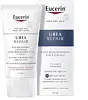
This barrier-repair night moisturizer is formulated around Urea to strengthen the skin barrier and hydrate skin.
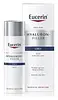
This anti-aging day moisturizer is formulated around Urea and Sodium Hyaluronate to soften the look of wrinkles and hydrate skin.

What's inside
What's inside
 Key Ingredients
Benefits
Concerns
Ingredients Side-by-side
Water
Skin ConditioningGlycerin
Humectant


Urea
Buffering

Cyclomethicone
Emollient
Ethylhexyl Cocoate
Emollient




Caprylic/Capric Triglyceride
Masking
Helianthus Annuus Seed Oil
Emollient
Isopropyl Stearate
Emollient
Polyglyceryl-2 Dipolyhydroxystearate
Skin Conditioning
Squalane
Emollient
Sodium Lactate
Buffering
Butyrospermum Parkii Butter
Skin Conditioning

Polyglyceryl-3 Diisostearate
Emulsifying
Hydrogenated Castor Oil
Emollient
Benzyl Alcohol
Perfuming





Magnesium Sulfate
Sodium Starch Octenylsuccinate
AbsorbentLactic Acid
Buffering




Methylparaben
Preservative

Disodium EDTA
Ceramide NP
Skin Conditioning


BHT
Antioxidant
Water, Glycerin, Urea, Cyclomethicone, Ethylhexyl Cocoate, Caprylic/Capric Triglyceride, Helianthus Annuus Seed Oil, Isopropyl Stearate, Polyglyceryl-2 Dipolyhydroxystearate, Squalane, Sodium Lactate, Butyrospermum Parkii Butter, Polyglyceryl-3 Diisostearate, Hydrogenated Castor Oil, Benzyl Alcohol, Magnesium Sulfate, Sodium Starch Octenylsuccinate, Lactic Acid, Methylparaben, Disodium EDTA, Ceramide NP, BHT
Water
Skin ConditioningGlycerin
Humectant
Cetearyl Alcohol
Emollient
Urea
Buffering
Butyl Methoxydibenzoylmethane
UV Absorber
Octocrylene
UV Absorber
Sodium Lactate
Buffering
Butylene Glycol Dicaprylate/Dicaprate
EmollientButyrospermum Parkii Butter
Skin Conditioning
Dimethicone
Emollient
Hydrogenated Coco-Glycerides
Emollient
Prunus Amygdalus Dulcis Oil
Skin Conditioning
Bis-Ethylhexyloxyphenol Methoxyphenyl Triazine
UV Absorber
Arginine Hcl
Skin ConditioningGlyceryl Stearate Se
Emulsifying
Polymethylsilsesquioxane
Sodium Hyaluronate
Humectant
Chondrus Crispus
Masking
Glycine Soja Germ Extract
Emollient1,2-Hexanediol
Skin Conditioning
C18-36 Acid Triglyceride
EmollientSodium Cetearyl Sulfate
Cleansing
Sodium Acrylates/C10-30 Alkyl Acrylate Crosspolymer
Polyglyceryl-3 Methylglucose Distearate
Emulsifying
BHT
Antioxidant
Trisodium EDTA
Lactic Acid
Buffering
Ethylhexylglycerin
Skin ConditioningPhenoxyethanol
Preservative
Water, Glycerin, Cetearyl Alcohol, Urea, Butyl Methoxydibenzoylmethane, Octocrylene, Sodium Lactate, Butylene Glycol Dicaprylate/Dicaprate, Butyrospermum Parkii Butter, Dimethicone, Hydrogenated Coco-Glycerides, Prunus Amygdalus Dulcis Oil, Bis-Ethylhexyloxyphenol Methoxyphenyl Triazine, Arginine Hcl, Glyceryl Stearate Se, Polymethylsilsesquioxane, Sodium Hyaluronate, Chondrus Crispus, Glycine Soja Germ Extract, 1,2-Hexanediol, C18-36 Acid Triglyceride, Sodium Cetearyl Sulfate, Sodium Acrylates/C10-30 Alkyl Acrylate Crosspolymer, Polyglyceryl-3 Methylglucose Distearate, BHT, Trisodium EDTA, Lactic Acid, Ethylhexylglycerin, Phenoxyethanol
Ingredients Explained
These ingredients are found in both products.
Ingredients higher up in an ingredient list are typically present in a larger amount.
BHT is a synthetic antioxidant and preservative.
As an antioxidant, it helps your body fight off free-radicals. Free-radicals are molecules that may damage your skin cells.
As a preservative, it is used to stabilize products and prevent them from degrading. Specifically, BHT prevents degradation from oxidation.
The concerns related to BHT come from oral studies; this ingredient is currently allowed for use by both the FDA and EU.
However, it was recently restricted for use in the UK as of April 2024.
Learn more about BHTThis ingredient is also known as shea butter. It is a plant-derived extract from the nuts of the Africa shea tree and one of the most well-studied emollients.
Because it has a high concentration of fatty acids (primarily oleic, stearic, and linoleic) it is able to form a protective barrier on the skin's surface. This helps seal in moisture and prevents transepidermal water loss (TEWL).
In vitro research found an increase in skin hydration by 58% and a decrease in TEWL by 37.8% after 24 hours of applying this ingredient (pretty impressive for a single ingredient!).
Besides hydration, shea butter also contains triterpenes that have anti-inflammatory potential. In particule, lupeol cinnamate has shown the highest anti-inflammatory activity in vivo.
Shea butter also contains vitamins A and E which may contribute to antioxidant activity.
While Shea Butter has an SPF rating of about 3-4, it is not a sunscreen replacement.
This ingredient may not be fungal acne safe because its fatty acids fall within the C11-C24 range that the Malassezia yeast can metabolize.
This ingredient shows up on a lot of "pore-clogging" lists but there's no real evidence behind that. It doesn't even have a comedogenic rating from an actual study; the numbers you'll find online come from blogs citing other blogs.
Ratings for other ingredients mostly come from a 1980s rabbit ear test. This test doesn't translate well to human skin or to real products because the ingredient sits at a much lower percentage.
Some people still find it breaks them out. So if that's you, definitely trust your skin. Just know this one's based on experience and not evidence.
Learn more about Butyrospermum Parkii ButterGlycerin (or glycerol) is a compound naturally found in your skin. It's a powerhouse humectant that pulls water into the stratum corneum.
Topically, glycerin does several things at once:
Your skin makes glycerin on its own (mostly from sebaceous oil breakdown) and shuttles it to your outermost layer of skin, or your epidermis, via aquaporin-3.
Aquaporin-3 is a transporter that is essential for normal skin hydration, elasticity, and repair. Interestingly, mice lacking in AQP3 have dry and less elastic skin that can be fully corrected with glycerin.
This ingredient is non-irritating, plays well with almost every ingredient, and works across all skin types. Typical use is anywhere between 3-10% but can go up to 79% in some leave-on products.
Just know very high concentrations (>40%) can feel tacky in low humidity.
Glycerin is the name for this ingredient in American English. British English uses Glycerol/Glycerine.
Learn more about GlycerinLactic Acid is another well-loved alpha hydroxy acid (AHA). It is gentler than glycolic acid but still highly effective.
Its main role is to exfoliate the surface of the skin by loosening the “glue” that holds dead skin cells together. Shedding those old cells leads to smoother, softer, and more even-toned skin.
Because lactic acid molecules are larger than glycolic acid, they don’t penetrate as deeply. This means they’re less likely to sting or irritate, making it a great choice for beginners or those with sensitive skin.
Like glycolic acid, it can:
Lactic acid also acts as a humectant (like hyaluronic acid). It can draw water into the skin to improve hydration and also plays a role in the skin's natural moisturizing factor (NMF) in the form of sodium lactate.
Studies show it can boost ceramide production to strengthen the skin barrier and even help balance the skin’s microbiome.
To get results, choose products with a pH between 3-4.
Lower strengths (5-12%) focus on surface exfoliation; higher strengths (12% and up) can reach deeper in the dermis (deeper, supportive layer) to improve skin texture and firmness over time.
Though it was originally derived from milk, most modern lactic acid used in skincare is vegan. It is made through non-dairy fermentation to create a bio-identical and stable form suitable for all formulations.
When lactic acid shows up near the end of an ingredient list, it usually means the brand added just a tiny amount to adjust the product’s pH.
Legend has it that Cleopatra used to bathe in sour milk to help reduce wrinkles.
Lactic acid is truly a gentle multitasker: it exfoliates, hydrates, strengthens, and brightens. It's a great ingredient for giving your skin a smooth, glowing, and healthy look without the harshness of stronger acids.
Read more about some other popular AHA's here:
Learn more about Lactic AcidSodium Lactate is the sodium salt of lactic acid, an AHA. It is a humectant and sometimes used to adjust the pH of a product.
This ingredient is part of our skin's NMF, or natural moisturizing factor. Our NMF is essential for the hydration of our top skin layers and plasticity of skin. NMF also influences our skin's natural acid mantle and pH, which protects our skin from harmful bacteria.
High percentages of Sodium Lactate can have an exfoliating effect.
Fun fact: Sodium Lactate is produced from fermented sugar.
Learn more about Sodium LactateUrea is also called carbamide and is the diamide of carbonic acid. In cosmetics, urea is used to hydrate the skin. It also provides exfoliation in higher concentrations.
As a humectant, urea helps draw moisture from the air and from deep within the skin. This helps hydrate your skin. Studies show urea is an effective moisturizer for dry skin conditions. 40% urea is typical in medications for treating eczema and other skin conditions.
Urea has the strongest exfoliation effect in concentrations higher than 10%. It is a keratolytic agent, meaning it breaks down the keratin protein in the top layer of skin. This helps remove dead skin cells and flaking skin.
In medicine, urea has been shown to help increase the potency of other ingredients, such as fungal treatments.
Humans and animals use urea to metabolize nitrogen-containing compounds. Urea is highly soluble in water. Once dissolved, it is neither acidic nor alkaline.
Urea is actually one of the more well-studied and well-supported ingredients out there if you have eczema.
Clinical trials have shown that urea creams in the 5 - 10% range can:
Higher concentrations (20 -30%) can also help with thickened, scaly patches but is also more likely to sting on active flares.
Skip urea if you have rosacea. The AAD (American Academy of Dermatology) lists it alongside alcohol, menthol, and fragrance as a potential irritant for rosacea-prone skin. Urea's keratolytic and penetration-enhancing properties can trigger stinging, burning, and redness.
As always, your skin is unique, so definitely check in with your dermatologist.
Learn more about UreaWater. It's the most common cosmetic ingredient of all. You'll usually see it at the top of ingredient lists, meaning that it makes up the largest part of the product.
So why is it so popular? Water most often acts as a solvent - this means that it helps dissolve other ingredients into the formulation.
You'll also recognize water as that liquid we all need to stay alive. If you see this, drink a glass of water. Remember to stay hydrated!
Learn more about Water

