Eucerin Q10 Anti-Wrinkle Night Cream + Pro-Retinol Versus RoC Retinol Correxion Line Smoothing Max Hydration Cream
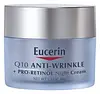
This anti-aging night moisturizer is formulated around Ubiquinone and Retinyl Palmitate to soften the look of wrinkles.
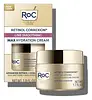
This anti-aging moisturizer is formulated around Retinol and Sodium Hyaluronate to soften the look of wrinkles and hydrate skin.


What's inside
What's inside
 Key Ingredients
Benefits
Concerns
Ingredients Side-by-side
Water
Skin ConditioningGlycerin
Humectant


Ethylhexyl Cocoate
Emollient




Cetyl Alcohol
Emollient
Hydrogenated Coco-Glycerides
Emollient
Stearyl Alcohol
Emollient
Butylene Glycol
Humectant
Caprylic/Capric Triglyceride
Masking
Butyrospermum Parkii Butter
Skin Conditioning

Glyceryl Stearate Citrate
Emollient
Macadamia Ternifolia Seed Oil
Emollient
Octyldodecanol
Emollient
Ubiquinone
Antioxidant

Retinyl Palmitate
Skin Conditioning


Tocopherol
Antioxidant

1,2-Hexanediol
Skin Conditioning
Dehydroacetic Acid
Preservative
Carbomer
Emulsion StabilisingSodium Hydroxide
BufferingTrisodium EDTA
ChelatingWater, Glycerin, Ethylhexyl Cocoate, Cetyl Alcohol, Hydrogenated Coco-Glycerides, Stearyl Alcohol, Butylene Glycol, Caprylic/Capric Triglyceride, Butyrospermum Parkii Butter, Glyceryl Stearate Citrate, Macadamia Ternifolia Seed Oil, Octyldodecanol, Ubiquinone, Retinyl Palmitate, Tocopherol, 1,2-Hexanediol, Dehydroacetic Acid, Carbomer, Sodium Hydroxide, Trisodium EDTA
Water
Skin ConditioningPentaerythrityl Tetraethylhexanoate
Emollient
Glycerin
Humectant
PPG-15 Stearyl Ether
EmollientDimethicone
Emollient
Butylene Glycol
Humectant
Dimethicone Crosspolymer
Emulsion Stabilising
Caprylyl Glycol
Emollient
Glyceryl Behenate
Emollient
Retinol
Skin Conditioning




Sodium Hyaluronate
Humectant
Ascorbic Acid
Antioxidant
Ascorbyl Palmitate
Antioxidant
Hydrolyzed Myrtus Communis Leaf Extract
Skin ProtectingTocopherol
Antioxidant
Stearyl Alcohol
Emollient
Isododecane
EmollientCetearyl Alcohol
Emollient
Polysorbate 20
Emulsifying
Allyl Methacrylates Crosspolymer
Emulsion StabilisingBHT
Antioxidant
Ceteareth-20
Cleansing
Sodium Acryloyldimethyltaurate/Vp Crosspolymer
Emulsion StabilisingPentylene Glycol
Skin Conditioning
Sodium Polyacrylate
Absorbent
Polyacrylamide
C13-14 Isoparaffin
Emollient
Laureth-7
EmulsifyingHydroxyphenyl Propamidobenzoic Acid
Skin ConditioningCaprylhydroxamic Acid
ChelatingDisodium EDTA
ChelatingPhenoxyethanol
Preservative
Ethylhexylglycerin
Skin ConditioningSodium Hydroxide
BufferingParfum
Masking

Water, Pentaerythrityl Tetraethylhexanoate, Glycerin, PPG-15 Stearyl Ether, Dimethicone, Butylene Glycol, Dimethicone Crosspolymer, Caprylyl Glycol, Glyceryl Behenate, Retinol, Sodium Hyaluronate, Ascorbic Acid, Ascorbyl Palmitate, Hydrolyzed Myrtus Communis Leaf Extract, Tocopherol, Stearyl Alcohol, Isododecane, Cetearyl Alcohol, Polysorbate 20, Allyl Methacrylates Crosspolymer, BHT, Ceteareth-20, Sodium Acryloyldimethyltaurate/Vp Crosspolymer, Pentylene Glycol, Sodium Polyacrylate, Polyacrylamide, C13-14 Isoparaffin, Laureth-7, Hydroxyphenyl Propamidobenzoic Acid, Caprylhydroxamic Acid, Disodium EDTA, Phenoxyethanol, Ethylhexylglycerin, Sodium Hydroxide, Parfum
Reviews
Ingredients Explained
These ingredients are found in both products.
Ingredients higher up in an ingredient list are typically present in a larger amount.
Butylene Glycol (or BG) is used within cosmetic products for a few different reasons:
Overall, Butylene Glycol is a safe and well-rounded ingredient that works well with other ingredients.
Though this ingredient works well with most skin types, some people with sensitive skin may experience a reaction such as allergic rashes, closed comedones, or itchiness.
Learn more about Butylene GlycolGlycerin (or glycerol) is a compound naturally found in your skin. It's a powerhouse humectant that pulls water into the stratum corneum.
Topically, glycerin does several things at once:
Your skin makes glycerin on its own (mostly from sebaceous oil breakdown) and shuttles it to your outermost layer of skin, or your epidermis, via aquaporin-3.
Aquaporin-3 is a transporter that is essential for normal skin hydration, elasticity, and repair. Interestingly, mice lacking in AQP3 have dry and less elastic skin that can be fully corrected with glycerin.
This ingredient is non-irritating, plays well with almost every ingredient, and works across all skin types. Typical use is anywhere between 3-10% but can go up to 79% in some leave-on products.
Just know very high concentrations (>40%) can feel tacky in low humidity.
Glycerin is the name for this ingredient in American English. British English uses Glycerol/Glycerine.
Learn more about GlycerinSodium Hydroxide is also known as lye or caustic soda. It is used to adjust the pH of products; many ingredients require a specific pH to be effective.
In small amounts, sodium hydroxide is considered safe to use. However, large amounts may cause chemical burns due to its high alkaline.
Your skin has a natural pH and acid mantle. This acid mantle helps prevent harmful bacteria from breaking through. The acid mantle also helps keep your skin hydrated.
"Alkaline" refers to a high pH level. A low pH level would be considered acidic.
Learn more about Sodium HydroxideStearyl Alcohol is a type of fatty alcohol from stearic acid. It is a white, waxy compound used to emulsify ingredients used as an emollient or to thicken a product.
Emollients help soothe and hydrate the skin by trapping moisture.
Fatty alcohols are usually derived from natural fats and oils and therefore do not have the same drying or irritating effect as solvent (ethanol) alcohols.
The FDA allows products labeled "alcohol-free" to have fatty alcohols.
This ingredient may not be fungal acne safe. It is a primary fatty alcohol with a chain length above 12 carbons. A study from 2019 show Malassezia can feed on fatty alcohols in this range, so it may trigger fungal acne in those prone to it.
Learn more about Stearyl AlcoholTocopherol is a fat-soluble antioxidant known as Vitamin E.
You'll find this ingredient in the vast majority of skincare (for good reason). It works to neutralize free radicals, or unstable molecules generated by UV exposure, pollution, and other environmental stressors, before they can cause oxidative damage to your skin cells.
Topically applied tocopherol has been shown to protect against UV damage by ramping up the skin's own natural defense enzymes.
It also acts as a skin conditioning agent; some studies show that regular topical use can improve the skin's water-binding capacity over 2-4 weeks.
This ingredient is especially loved for being a team player. When combined with Vitamin C, the photoprotective effect of both ingredients roughly doubles and the combo also helps reduce UV-induced DNA damage.
This ingredient has some brightening potential but it's more of a prevention ingredient than spot-fader. Cell studies show it can slow down melanin production but it's worth noting that it's not the most powerful brightener out there.
In formulations, it also serves as a stabilizer that helps protect other oxidation-prone ingredients from degrading.
Concentrations usually range from 0.1-1% in most leave-on products.
Learn more about TocopherolWater. It's the most common cosmetic ingredient of all. You'll usually see it at the top of ingredient lists, meaning that it makes up the largest part of the product.
So why is it so popular? Water most often acts as a solvent - this means that it helps dissolve other ingredients into the formulation.
You'll also recognize water as that liquid we all need to stay alive. If you see this, drink a glass of water. Remember to stay hydrated!
Learn more about Water

