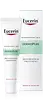
This acne treatment is formulated around Glycolic Acid and Gluconolactone to clear breakouts and refine skin texture.
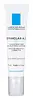
This acne treatment is formulated around Niacinamide and Capryloyl Salicylic Acid to clear breakouts and balance excess oil.


What's inside
What's inside
 Key Ingredients
Benefits
Concerns
Ingredients Side-by-side
Water
Skin ConditioningGlycolic Acid
Buffering











Dimethicone
Emollient
Glycerin
Humectant

Tapioca Starch
Cetearyl Alcohol
Emollient





Glyceryl Stearate
Emollient
Sodium Hydroxide
BufferingGluconolactone
Chelating
PEG-40 Stearate
Emulsifying
Salicylic Acid
Masking


PEG-150 Distearate
Emulsifying
Glycyrrhiza Inflata Root Extract
Skin Conditioning
Panthenol
Skin Conditioning
Xanthan Gum
EmulsifyingTrisodium EDTA
ChelatingPhenoxyethanol
Preservative
Parfum
Masking

Water
Skin ConditioningCyclohexasiloxane
Emollient
Isononyl Isononanoate
EmollientPropylene Glycol
Humectant
Isohexadecane
EmollientNiacinamide
Smoothing
PEG-100 Stearate
Surfactant
Glyceryl Stearate
Emollient
Cetyl Alcohol
Emollient
Argilla
Abrasive
Carbomer
Emulsion StabilisingSodium Hydroxide
BufferingCapryloyl Glycine
CleansingCapryloyl Salicylic Acid
Exfoliating
Citric Acid
Buffering
Xanthan Gum
EmulsifyingAcrylates Copolymer
Salicylic Acid
Masking
Iodopropynyl Butylcarbamate
Preservative
Chlorhexidine Digluconate
Antimicrobial
Piroctone Olamine
Preservative
Parfum
Masking
Water, Cyclohexasiloxane, Isononyl Isononanoate, Propylene Glycol, Isohexadecane, Niacinamide, PEG-100 Stearate, Glyceryl Stearate, Cetyl Alcohol, Argilla, Carbomer, Sodium Hydroxide, Capryloyl Glycine, Capryloyl Salicylic Acid, Citric Acid, Xanthan Gum, Acrylates Copolymer, Salicylic Acid, Iodopropynyl Butylcarbamate, Chlorhexidine Digluconate, Piroctone Olamine, Parfum
Reviews
Ingredients Explained
These ingredients are found in both products.
Ingredients higher up in an ingredient list are typically present in a larger amount.
Glyceryl Stearate is made by reacting glycerin with stearic acid (typically sourced from plant oils like palm or coconut). It's an emulsifier, emollient, and mild occlusive.
Emulsifiers help ingredients like oil and water stay mixed so your formula stays nicely blended and uniform in texture.
This ingredient is typically used in concentrations between 1-10%. Studies have found it to be non-sensitizing, non-phototoxic, and non-photoallergenic.
A close cousin of this ingredient is Glyceryl Stearate SE ("self-emulsifying"). This just has a small amount of sodium or potassium stearate added so it can emulsify without a co-emulsifier.
Since this ingredient is an ester of a C18 fatty acid, it may not be fungal acne safe. The Malassezia yeast can potentially metabolize within the C11-C24 range.
Fun fact: The human body also creates Glyceryl Stearate naturally.
Learn more about Glyceryl StearateParfum is a catch-all term for an ingredient or more that is used to give a scent to products.
Also called "fragrance", this ingredient can be a blend of hundreds of chemicals or plant oils. This means every product with "fragrance" or "parfum" in the ingredients list is a different mixture.
For instance, Habanolide is a proprietary trade name for a specific aroma chemical. When used as a fragrance ingredient in cosmetics, most aroma chemicals fall under the broad labeling category of “FRAGRANCE” or “PARFUM” according to EU and US regulations.
The term 'parfum' or 'fragrance' is not regulated in many countries. In many cases, it is up to the brand to define this term.
For instance, many brands choose to label themselves as "fragrance-free" because they are not using synthetic fragrances. However, their products may still contain ingredients such as essential oils that are considered a fragrance by INCI standards.
One example is Calendula flower extract. Calendula is an essential oil that still imparts a scent or 'fragrance'.
Depending on the blend, the ingredients in the mixture can cause allergies and sensitivities on the skin. Some ingredients that are known EU allergens include linalool and citronellol.
Parfum can also be used to mask or cover an unpleasant scent.
The bottom line is: not all fragrances/parfum/ingredients are created equally. If you are worried about fragrances, we recommend taking a closer look at an ingredient. And of course, we always recommend speaking with a professional.
Learn more about ParfumSalicylic Acid (also known as beta hydroxy acid or BHA) is a well-known ingredient for treating skin that struggles with acne and clogged pores. It exfoliates both the skin's surface and deep within the pores to help clear out buildup, control oil, and reduce inflammation.
Unlike AHAs (alpha hydroxy acids), salicylic acid is oil-soluble. This allows it to penetrate into pores which makes it especially effective for treating blackheads and preventing future breakouts.
Salicylic acid is also known for its soothing properties. It has a similar structure to aspirin and can calm inflamed or irritated skin, making it a good option for acne-prone skin that is also sensitive.
Concentrations of 0.5-2% are recognized by the U.S. FDA as an over-the-counter topical acne product.
It can cause irritation and/or dryness if one's skin already has a compromised moisture barrier, so it's best to focus on repairing that before introducing this ingredient into your routine.
While salicylic acid does not increase sun sensitivity, it’s still important to wear sunscreen daily to protect your skin.
If you are looking for the ingredient called BHA or Butylated Hydroxyanisole, click here.
Learn more about Salicylic AcidSodium Hydroxide is also known as lye or caustic soda. It is used to adjust the pH of products; many ingredients require a specific pH to be effective.
In small amounts, sodium hydroxide is considered safe to use. However, large amounts may cause chemical burns due to its high alkaline.
Your skin has a natural pH and acid mantle. This acid mantle helps prevent harmful bacteria from breaking through. The acid mantle also helps keep your skin hydrated.
"Alkaline" refers to a high pH level. A low pH level would be considered acidic.
Learn more about Sodium HydroxideWater. It's the most common cosmetic ingredient of all. You'll usually see it at the top of ingredient lists, meaning that it makes up the largest part of the product.
So why is it so popular? Water most often acts as a solvent - this means that it helps dissolve other ingredients into the formulation.
You'll also recognize water as that liquid we all need to stay alive. If you see this, drink a glass of water. Remember to stay hydrated!
Learn more about WaterXanthan gum is used as a stabilizer and thickener within cosmetic products. It helps give products a sticky, thick feeling - preventing them from being too runny.
On the technical side of things, xanthan gum is a polysaccharide - a combination consisting of multiple sugar molecules bonded together.
Xanthan gum is a pretty common and great ingredient. It is a natural, non-toxic, non-irritating ingredient that is also commonly used in food products.
Learn more about Xanthan Gum

