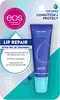
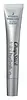
EOS The Hero Extra Dry Lip Treatment Versus ChapStick Total Hydration Vitamin Enriched Lip Night Serum
This barrier-repair lip moisturizer is formulated around Bis-Diglyceryl Polyacyladipate-2 and Petrolatum to strengthen the lip barrier and hydrate lips.
This barrier-repair lip moisturizer is formulated around Oenothera Biennis Oil and Tocopherol to strengthen the lip barrier and hydrate lips.

What's inside
What's inside
 Key Ingredients
Benefits
Concerns
Ingredients Side-by-side
Octyldodecanol
Emollient
C18-38 Alkyl Hydroxystearoyl Stearate
EmollientBis-Diglyceryl Polyacyladipate-2
Emollient


Ricinus Communis Seed Oil
Masking

Petrolatum
Emollient

Aroma

Polyglyceryl-3 Diisostearate
Emulsifying

Butyrospermum Parkii Butter
Skin Conditioning
Persea Gratissima Oil
Skin Conditioning
Theobroma Cacao Seed Butter
Emollient
Jojoba Esters
Emollient
Fragaria Vesca Fruit Extract
AstringentHelianthus Annuus Seed Wax
Skin Conditioning
Olea Europaea Fruit Oil
Masking
Helianthus Annuus Seed Oil
Emollient
Acacia Decurrens Flower Wax
Emollient
Stevia Rebaudiana Leaf/Stem Extract
MaskingTocopheryl Acetate
Antioxidant


Ascorbyl Palmitate
Antioxidant

Sorbitan Oleate
Emulsifying
Polyglycerin-3
Humectant
Phytosterols
Skin Conditioning
Silica
Abrasive


Citric Acid
Buffering
Octyldodecanol, C18-38 Alkyl Hydroxystearoyl Stearate, Bis-Diglyceryl Polyacyladipate-2, Ricinus Communis Seed Oil, Petrolatum, Aroma, Polyglyceryl-3 Diisostearate, Butyrospermum Parkii Butter, Persea Gratissima Oil, Theobroma Cacao Seed Butter, Jojoba Esters, Fragaria Vesca Fruit Extract, Helianthus Annuus Seed Wax, Olea Europaea Fruit Oil, Helianthus Annuus Seed Oil, Acacia Decurrens Flower Wax, Stevia Rebaudiana Leaf/Stem Extract, Tocopheryl Acetate, Ascorbyl Palmitate, Sorbitan Oleate, Polyglycerin-3, Phytosterols, Silica, Citric Acid
Petrolatum
Emollient
Bis-Diglyceryl Polyacyladipate-2
Emollient
C12-15 Alkyl Benzoate
AntimicrobialHydrogenated Microcrystalline Wax
Emulsion StabilisingC18-38 Alkyl Hydroxystearoyl Stearate
EmollientCaprylic/Capric Triglyceride
Masking
Linum Usitatissimum Seed Oil
Perfuming
Oenothera Biennis Oil
Emollient
Olea Europaea Fruit Oil
Masking
Aroma
Tocopherol
Antioxidant

Ascorbyl Palmitate
Antioxidant
Triacetin
AntimicrobialPropylene Glycol
Humectant
Glycine Soja Oil
Emollient
Citric Acid
Buffering
Petrolatum, Bis-Diglyceryl Polyacyladipate-2, C12-15 Alkyl Benzoate, Hydrogenated Microcrystalline Wax, C18-38 Alkyl Hydroxystearoyl Stearate, Caprylic/Capric Triglyceride, Linum Usitatissimum Seed Oil, Oenothera Biennis Oil, Olea Europaea Fruit Oil, Aroma, Tocopherol, Ascorbyl Palmitate, Triacetin, Propylene Glycol, Glycine Soja Oil, Citric Acid
Reviews
Ingredients Explained
These ingredients are found in both products.
Ingredients higher up in an ingredient list are typically present in a larger amount.
Aroma refers to an ingredient, or mixture of ingredients, that impart or mask a flavor.
The name is slightly confusing. This is because INCI associates aroma with flavor instead of smell.
Here is the official definition from the The International Cosmetic Ingredient Dictionary and Handbook:
“Aroma is a term for ingredient labeling used to identify that a product contains a material or combination of materials normally added to a cosmetic to produce or to mask a particular flavor.”
INCI shows the only purpose of aroma to be "flavouring".
However, due to regulation differences, some companies may use aroma in place of parfum.
In Canada, this ingredient only has to be listed in concentrations above 1%.
Learn more about AromaAscorbyl Palmitate is a fat-soluble form of vitamin C (Ascorbic Acid) made by combining it with palmitic acid.
It is able to blend easily into creams and oil-based formulas because it dissolves in oils rather than water.
As you may know, regular vitamin C is notorious for breaking down when exposed to sunlight and air. Ascorbyl Palmitate is more stable and degrades at a slower rate.
Research on whether it converts efficiently into active vitamin C once it's applied on your skin is still limited.
Some in-vitro studies suggest it may support collagen production, but it is not considered one of the stronger vitamin C derivatives, like:
Due to the palmitic acid base, this ingredient may not be fungal acne safe. Comedogenic studies have also shown this ingredient to have a rating of 2.
It's also worth keeping in mind that comedogenic and irritancy ratings are tested on individual ingredients, not finished formulas. The final product's formulation, concentration, and other ingredients all play a role in how something actually behaves on your skin.
Learn more about Ascorbyl PalmitateBis-Diglyceryl Polyacyladipate-2 is a synthetic emollient that works as a lanolin substitute.
This ingredient is a great vegan option for those avoiding animal-derived ingredients.
It mostly stays on the surface of skin where it helps hydrate due to its large molecular size and low water solubility.
Due to it being derived from fatty acids, this ingredient may not be Malassezia or fungal acne safe.
Learn more about Bis-Diglyceryl Polyacyladipate-2This ingredient is a fatty-acid ester commonly used in makeup. It is use an emollient and emulsifier, and insoluble in water.
According to a manufacturer, it is a waxy solid and prevents other waxes from crystallizing.
It is created from stearic acid.
Learn more about C18-38 Alkyl Hydroxystearoyl StearateCitric Acid is an alpha hydroxy acid (AHA) naturally found in citrus fruits like oranges, lemons, and limes.
Like other AHAs, citric acid can exfoliate skin by breaking down the bonds that hold dead skin cells together. This helps reveal smoother and brighter skin underneath.
However, this exfoliating effect only happens at high concentrations (20%) which can be hard to find in cosmetic products.
Due to this, citric acid is usually included in small amounts as a pH adjuster. This helps keep products slightly more acidic and compatible with skin's natural pH.
In skincare formulas, citric acid can:
While it can provide some skin benefits, research shows lactic acid and glycolic acid are generally more effective and less irritating exfoliants.
Most citric acid used in skincare today is made by fermenting sugars (usually from molasses). This synthetic version is identical to the natural citrus form but easier to stabilize and use in formulations.
Rosacea skin has a lower threshold for acids generally, with 62.5% of rosacea subjects in one study reacting to lactic acid in a sting test. This is why we mark citric acid as a potential rosacea trigger.
However, this ingredient shows up as a pH adjuster or chelator at roughly 0.1-1% in many products. These low levels are unlikely to be an issue for rosacea skin and becomes a potential trigger at exfoliating concentrations (20%). Because everybody's skin is unique, we recommend a patch test if you are unsure.
Learn more about Citric AcidThis ingredient is also known as olive oil. It has been used in skincare for centuries and science largely backs up its reputation as a nourishing emollient.
The main components of olive oil are oleic acid (55-83%), linoleic acid (3.5-20%), and palmitic acid (7-20%). Oleic acid promotes skin regeneration and helps regulate inflammatory responses.
Squalene is also naturally present in olive oil and exhibits moisturizing and antioxidant properties.
The polyphenols in olive oil also show anti-aging promise; one clinical study found a measurable improvement in skin appearance after 30 days of topical serum use.
Just be aware that applying olive oil directly to skin can weaken the barrier and cause redness. One study with volunteers found even people without sensitive skin experienced a significant reduction in stratum corneum integrity and induced mild erythema.
It's best to use this ingredient as part of a carefully crafted formula (instead of putting it on skin directly from the bottle).
Because it has a 0-2 on the comedogenic scale, it is low risk for acne-prone skin. Just remember the overall formulation of a product matters more than a few ingredients with comedogenic ratings.
This ingredient may not be fungal acne safe because of the oleic and palmitic acid content. These fall within the C11-24 fatty acid range that the Malassezia yeast can metabolize to grow.
Overall, olive oil is a well-studied and nourishing skincare ingredient.
Learn more about Olea Europaea Fruit OilPetrolatum is more commonly known as petroleum jelly. It is created by mixing waxes and mineral oils.
This ingredient is effective at reducing water loss by 99%. This is because it is an occlusive. Occlusives create a hydrophobic barrier on the skin to prevent evaporation. This property makes it great for hydrating dry skin.
Pro tip: Use occlusives, such as this ingredient, on damp skin for the best results.
The quality or origin of petrolatum is only known when disclosed by the brand. Most cosmetic petrolatum has gone through several purification stages.
Another benefit of occlusives is it protects your skin against infection or allergies.
Petrolatum is fungal acne safe. It is a hydrocarbon with no fatty acid structure, so Malassezia cannot metabolize it. In-vitro studies support negligible growth stimulation as well.
It's also worth noting that petrolatum has a comedogenic rating of 0. In updated rabbit ear testing (and in human testing), petrolatum was found to be not comedogenic. This means it didn’t promote comedone formation in standard models.
Learn more about Petrolatum

