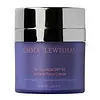
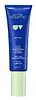
Emma Lewisham Sunceutical SPF 50 Mineral Face Crème Versus Ultra Violette Clean Screen SPF 30 Fragrance Free Weightless Gel Skinscreen
This mineral sunscreen covers the full UV range and blocks ~98% of UVB at SPF 50.
This hybrid sunscreen covers the full UV range and blocks ~97% of UVB at SPF 30.


What's inside
What's inside
 Key Ingredients
Benefits
Concerns
Ingredients Side-by-side
Zinc Oxide
Cosmetic Colorant


Water
Skin ConditioningCoco-Caprylate/Caprate
Emollient
Isohexadecane
EmollientCoco-Caprylate
Emollient
Caprylic/Capric Triglyceride
Masking
Polyglyceryl-2 Dipolyhydroxystearate
Skin Conditioning

Isoamyl Laurate
Emollient
Pentylene Glycol
Skin Conditioning
Isododecane
EmollientPolyglyceryl-3 Polyricinoleate
Emulsifying
Glyceryl Polymethacrylate
Polyglyceryl-3 Diisostearate
Emulsifying


Sorbitan Olivate
Emulsifying
Magnesium Sulfate
Niacinamide
Smoothing









Polyhydroxystearic Acid
Emulsifying
Saccharide Isomerate
Humectant
Isostearic Acid
Cleansing
Parfum
Masking


Disteardimonium Hectorite
StabilisingHydroxyacetophenone
Antioxidant
Propylene Glycol
Humectant
Pongamol
MaskingPropylene Carbonate
SolventCI 77492
Cosmetic ColorantCI 77491
Cosmetic ColorantCitric Acid
Buffering
Sodium Citrate
BufferingCI 77499
Cosmetic ColorantPalmitoyl Oligopeptide
Cleansing
Zinc Oxide, Water, Coco-Caprylate/Caprate, Isohexadecane, Coco-Caprylate, Caprylic/Capric Triglyceride, Polyglyceryl-2 Dipolyhydroxystearate, Isoamyl Laurate, Pentylene Glycol, Isododecane, Polyglyceryl-3 Polyricinoleate, Glyceryl Polymethacrylate, Polyglyceryl-3 Diisostearate, Sorbitan Olivate, Magnesium Sulfate, Niacinamide, Polyhydroxystearic Acid, Saccharide Isomerate, Isostearic Acid, Parfum, Disteardimonium Hectorite, Hydroxyacetophenone, Propylene Glycol, Pongamol, Propylene Carbonate, CI 77492, CI 77491, Citric Acid, Sodium Citrate, CI 77499, Palmitoyl Oligopeptide
Titanium Dioxide 3%
Cosmetic Colorant
Methylene Bis-Benzotriazolyl Tetramethylbutylphenol 2.25%
UV Filter
Diethylamino Hydroxybenzoyl Hexyl Benzoate 1.6%
UV Filter
Water
Skin ConditioningButylene Glycol
Humectant
Caprylic/Capric Triglyceride
Masking
Silica
Abrasive
Caprylyl Glycol
Emollient
Polysorbate 60
Emulsifying
Ammonium Acryloyldimethyltaurate/Vp Copolymer
Saccharide Isomerate
Humectant
Decyl Glucoside
Cleansing
Caprylhydroxamic Acid
ChelatingGlycerin
Humectant
Propylene Glycol
Humectant
Xanthan Gum
EmulsifyingCitric Acid
Buffering
Dimethicone
Emollient
Sodium Chloride
MaskingCI 77491
Cosmetic ColorantCI 77492
Cosmetic ColorantCI 77499
Cosmetic ColorantTitanium Dioxide 3%, Methylene Bis-Benzotriazolyl Tetramethylbutylphenol 2.25%, Diethylamino Hydroxybenzoyl Hexyl Benzoate 1.6%, Water, Butylene Glycol, Caprylic/Capric Triglyceride, Silica, Caprylyl Glycol, Polysorbate 60, Ammonium Acryloyldimethyltaurate/Vp Copolymer, Saccharide Isomerate, Decyl Glucoside, Caprylhydroxamic Acid, Glycerin, Propylene Glycol, Xanthan Gum, Citric Acid, Dimethicone, Sodium Chloride, CI 77491, CI 77492, CI 77499
Reviews
Ingredients Explained
These ingredients are found in both products.
Ingredients higher up in an ingredient list are typically present in a larger amount.
Caprylic/Capric Triglyceride (aka MCT Oil) is a lightweight emollient, solvent, and texture enhancer. It is considered a skin-softener by helping to prevent moisture loss.
Though it behaves like an oil, it is not technically one due to its chemical composition. One perk of this ingredient is that it is very stable, resistant to oxidation, and unlikely to go rancid.
In practice, that translates to a long shelf life and a consistently elegant skin feel.
While there is an assumption Caprylic Triglyceride can clog pores due to it being derived from coconut oil, there is no research supporting this. Just patch test if you have concerns.
Fractionated coconut oil and MCT Oil are both listed as Caprylic/Capric Triglyceride according to INCI. This is because INCI names are based on the ingredient’s final chemical composition and not its marketing name or source.
This ingredient is treated as the gold standard fungal acne safe oil. Even though it is coconut derived, the problematic lauric acid is stripped out.
This leaves just caprylic (C8) and capric (C10) acid. These chain lengths actually trend antifungal; a 2020 study found caprylic acid was enough to disrupt Malassezia furfur cell membrane, with a caprylic acid derivative damaging membrane structures at concentrations as low as 0.2%.
Learn more about Caprylic/Capric TriglycerideCi 77491 is also hydrated iron III oxide. It's sole purpose is to give a red/pink hue to products.
Iron III oxides are classified as inorganic chemicals for coloring.
Synthetically created Ci 77491 is considered safer than those naturally found. This is because the synthetically created version may contain less impurities. Iron oxides are generally non-toxic and non-allergenic.
Learn more about CI 77491CI 77492 is also hydrated iron III oxide. It's sole purpose is to give a yellow hue to products.
Iron III oxides are classified as inorganic chemicals for coloring.
Synthetically created CI 77492 is considered safer than those naturally found. This is because the synthetically created version may contain less impurities. Iron oxides are generally non-toxic and non-allergenic.
Learn more about CI 77492Ci 77499 is also hydrated iron III oxide. It is created from mixing red and black iron oxides. This helps give shades of darkness to a product.
Iron III oxides are classified as inorganic chemicals for coloring.
Citric Acid is an alpha hydroxy acid (AHA) naturally found in citrus fruits like oranges, lemons, and limes.
Like other AHAs, citric acid can exfoliate skin by breaking down the bonds that hold dead skin cells together. This helps reveal smoother and brighter skin underneath.
However, this exfoliating effect only happens at high concentrations (20%) which can be hard to find in cosmetic products.
Due to this, citric acid is usually included in small amounts as a pH adjuster. This helps keep products slightly more acidic and compatible with skin's natural pH.
In skincare formulas, citric acid can:
While it can provide some skin benefits, research shows lactic acid and glycolic acid are generally more effective and less irritating exfoliants.
Most citric acid used in skincare today is made by fermenting sugars (usually from molasses). This synthetic version is identical to the natural citrus form but easier to stabilize and use in formulations.
Rosacea skin has a lower threshold for acids generally, with 62.5% of rosacea subjects in one study reacting to lactic acid in a sting test. This is why we mark citric acid as a potential rosacea trigger.
However, this ingredient shows up as a pH adjuster or chelator at roughly 0.1-1% in many products. These low levels are unlikely to be an issue for rosacea skin and becomes a potential trigger at exfoliating concentrations (20%). Because everybody's skin is unique, we recommend a patch test if you are unsure.
Learn more about Citric AcidPropylene Glycol is a synthetic, colorless, odorless liquid that has been a staple in cosmetics for decades. It is a skin conditioning agent, humectant, and solvent.
As a humectant, it draw water to the skin to reduce flaking and restore suppleness. It's also a solvent that helps dissolve other actives and keeps formulas stable across temperature changes.
The CIR Expert Panel has confirmed this ingredient to be nontoxic and clinical studies show no sensitization at cosmetic use concentrations.
True allergic reactions are quite rare: a 15-year retrospective study of 6,751 patients found only 0.31% had a positive reaction (and less than half were considered clinically relevant).
It seemed that when sensitization does occur, it's most commonly linked to topical medication (like corticosteroids) and not cosmetics. Allergic contact dermatitis also appears largely limited to individuals with underlying skin conditions.
Overall, propylene glycol is a well-studied ingredient that most people can tolerate without issue.
Learn more about Propylene GlycolSaccharide Isomerate comes from sugars found in corn. It is a skin hydrator.
The structure of this ingredient can be altered to be more similar to the carbohydrates found in our skin. This ability to mimic our skin gives it hydrating properties.
Specifically, saccharide Isomerate is a humectant. Humectants draw moisture from the air to our skin.
Research shows Saccharide Isomerate to be an effective moisturizer.
Learn more about Saccharide IsomerateWater. It's the most common cosmetic ingredient of all. You'll usually see it at the top of ingredient lists, meaning that it makes up the largest part of the product.
So why is it so popular? Water most often acts as a solvent - this means that it helps dissolve other ingredients into the formulation.
You'll also recognize water as that liquid we all need to stay alive. If you see this, drink a glass of water. Remember to stay hydrated!
Learn more about Water

