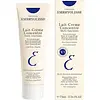
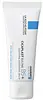
Embryolisse Lait-Crème Concentré Multi-Function Moisturizer Versus La Roche-Posay Cicaplast Baume B5+

What's inside
What's inside
 Key Ingredients
No key ingredients
Benefits
Concerns
Ingredients Side-by-side
Water
Skin ConditioningParaffinum Liquidum
Emollient


Stearic Acid
Cleansing
Palmitic Acid
Emollient
Glyceryl Stearate Se
Emulsifying
Triethanolamine
BufferingCera Alba
Emollient
Cetyl Palmitate
Emollient
Butyrospermum Parkii Butter
Skin Conditioning
1,2-Hexanediol
Skin Conditioning
Caprylyl Glycol
Emollient
Steareth-10
Emulsifying
Polyacrylamide
C13-14 Isoparaffin
Emollient
Parfum
Masking


Laureth-7
EmulsifyingPropylene Glycol
Humectant
Tropolone
Skin ConditioningHydrolyzed Soy Protein
Humectant
Aloe Barbadensis Leaf Extract
Emollient

Water, Paraffinum Liquidum, Stearic Acid, Palmitic Acid, Glyceryl Stearate Se, Triethanolamine, Cera Alba, Cetyl Palmitate, Butyrospermum Parkii Butter, 1,2-Hexanediol, Caprylyl Glycol, Steareth-10, Polyacrylamide, C13-14 Isoparaffin, Parfum, Laureth-7, Propylene Glycol, Tropolone, Hydrolyzed Soy Protein, Aloe Barbadensis Leaf Extract
Water
Skin ConditioningHydrogenated Polyisobutene
EmollientDimethicone
Emollient
Glycerin
Humectant


Butyrospermum Parkii Butter
Skin Conditioning
Panthenol
Skin Conditioning
Zea Mays Starch
AbsorbentPropanediol
Solvent
Butylene Glycol
Humectant
Cetyl PEG/PPG-10/1 Dimethicone
Emulsifying
Trihydroxystearin
Skin Conditioning
Centella Asiatica Leaf Extract
Skin Conditioning
Polymnia Sonchifolia Root Juice
Skin ConditioningZinc Gluconate
Skin Conditioning

Madecassoside
Antioxidant
Manganese Gluconate
Skin ConditioningAlpha-Glucan Oligosaccharide
CleansingSilica
Abrasive
Aluminum Hydroxide
EmollientMagnesium Sulfate
Mannose
HumectantCapryloyl Glycine
CleansingCaprylyl Glycol
Emollient
Vitreoscilla Ferment
Skin ConditioningCitric Acid
Buffering



Trisodium Ethylenediamine Disuccinate
Lactobacillus
Skin ConditioningAcetylated Glycol Stearate
Emollient
Maltodextrin
Absorbent
Polyglyceryl-4 Isostearate
Emulsifying
Tocopherol
Antioxidant
Pentaerythrityl Tetra-Di-T-Butyl Hydroxyhydrocinnamate
Antioxidant
Titanium Dioxide
Cosmetic Colorant

Water, Hydrogenated Polyisobutene, Dimethicone, Glycerin, Butyrospermum Parkii Butter, Panthenol, Zea Mays Starch, Propanediol, Butylene Glycol, Cetyl PEG/PPG-10/1 Dimethicone, Trihydroxystearin, Centella Asiatica Leaf Extract, Polymnia Sonchifolia Root Juice, Zinc Gluconate, Madecassoside, Manganese Gluconate, Alpha-Glucan Oligosaccharide, Silica, Aluminum Hydroxide, Magnesium Sulfate, Mannose, Capryloyl Glycine, Caprylyl Glycol, Vitreoscilla Ferment, Citric Acid, Trisodium Ethylenediamine Disuccinate, Lactobacillus, Acetylated Glycol Stearate, Maltodextrin, Polyglyceryl-4 Isostearate, Tocopherol, Pentaerythrityl Tetra-Di-T-Butyl Hydroxyhydrocinnamate, Titanium Dioxide
Reviews
Ingredients Explained
These ingredients are found in both products.
Ingredients higher up in an ingredient list are typically present in a larger amount.
This ingredient is also known as shea butter. It is an effective skin hydrator and emollient.
Emollients help soothe and soften your skin. It does this by creating a protective film on your skin. This barrier helps trap moisture and keeps your skin hydrated. Emollients may be effective at treating dry or itchy skin.
Shea butter is rich in antioxidants. Antioxidants help fight free-radicals, or molecules that may harm the body. It is also full of fatty acids including stearic acid and linoleic acid. These acids help replenish the skin and keep skin moisturized.
While Shea Butter has an SPF rating of about 3-4, it is not a sunscreen replacement.
Shea butter may not be fungal acne safe. We recommend speaking with a professional if you have any concerns.
Learn more about Butyrospermum Parkii ButterCaprylyl Glycol is a humectant and emollient, meaning it attracts and preserves moisture.
It is a common ingredient in many products, especially those designed to hydrate skin. The primary benefits are retaining moisture, skin softening, and promoting a healthy skin barrier.
Though Caprylyl Glycol is an alcohol derived from fatty acids, it is not the kind that can dry out skin.
This ingredient is also used as a preservative to extend the life of products. It has slight antimicrobial properties.
Learn more about Caprylyl GlycolWater. It's the most common cosmetic ingredient of all. You'll usually see it at the top of ingredient lists, meaning that it makes up the largest part of the product.
So why is it so popular? Water most often acts as a solvent - this means that it helps dissolve other ingredients into the formulation.
You'll also recognize water as that liquid we all need to stay alive. If you see this, drink a glass of water. Stay hydrated!
Learn more about Water
