Ellana Mineral Cosmetics Eyes Up Lifting & Brightening Eye Serum Versus Isntree Onion Newpair B5 Ampoule
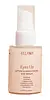
This brightening eye moisturizer is formulated around Coffea Arabica Seed Extract and Sodium Ascorbyl Phosphate to brighten dull-looking skin and soften the look of wrinkles.
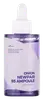
This calming ampoule is formulated around Allium Cepa Bulb Extract and Panthenol to calm redness and fade the look of dark spots.


What's inside
What's inside
 Key Ingredients
Benefits
Ingredients Side-by-side
Water
Skin ConditioningGlycerin
Humectant


Coffea Arabica Seed Extract
Masking

Sodium Ascorbyl Phosphate
Antioxidant





Punica Granatum Flower Extract
Skin Conditioning
Acacia Senegal Gum
MaskingRhizobian Gum
Sodium Hyaluronate
Humectant
Saccharide Isomerate
Humectant
Glycyrrhiza Glabra Root Extract
Bleaching
Ziziphus Jujuba Fruit Extract
Skin ConditioningArtemisia Capillaris Flower Extract
Skin ConditioningScutellaria Baicalensis Root Extract
Astringent
Morus Alba Root Extract
BleachingLysine
Skin ConditioningHistidine
Humectant
Arginine
Masking
Aspartic Acid
Masking
Threonine
Serine
Masking
Glutamic Acid
Humectant
Methionine
Skin ConditioningIsoleucine
Skin ConditioningLeucine
Skin ConditioningTyrosine
MaskingPhenylalanine
Masking
Cysteine
Antioxidant
Caprylyl Glycol
Emollient
Maltodextrin
Absorbent
Ethylhexylglycerin
Skin ConditioningPhenoxyethanol
Preservative
Sodium Citrate
BufferingWater, Glycerin, Coffea Arabica Seed Extract, Sodium Ascorbyl Phosphate, Punica Granatum Flower Extract, Acacia Senegal Gum, Rhizobian Gum, Sodium Hyaluronate, Saccharide Isomerate, Glycyrrhiza Glabra Root Extract, Ziziphus Jujuba Fruit Extract, Artemisia Capillaris Flower Extract, Scutellaria Baicalensis Root Extract, Morus Alba Root Extract, Lysine, Histidine, Arginine, Aspartic Acid, Threonine, Serine, Glutamic Acid, Methionine, Isoleucine, Leucine, Tyrosine, Phenylalanine, Cysteine, Caprylyl Glycol, Maltodextrin, Ethylhexylglycerin, Phenoxyethanol, Sodium Citrate
Allium Cepa Bulb Extract 85%
Skin Conditioning
Panthenol 5%
Skin Conditioning
1,2-Hexanediol
Skin Conditioning
Niacinamide
Smoothing


Trehalose
Humectant
Betaine
Humectant
Acrylates/C10-30 Alkyl Acrylate Crosspolymer
Emulsion StabilisingArginine
Masking
Butylene Glycol
Humectant
Caprylyl Glycol
Emollient
Water
Skin ConditioningAllantoin
Skin Conditioning
Pentylene Glycol
Skin Conditioning
Hydroxyacetophenone
Antioxidant
Caffeine
Skin Conditioning
Acetyl Glucosamine
Skin Conditioning
Melia Azadirachta Flower Extract
Skin ConditioningAdenosine
Skin Conditioning
Ammonium Acryloyldimethyltaurate/Vp Copolymer
Coccinia Indica Fruit Extract
Skin Conditioning
Disodium EDTA
ChelatingTranexamic Acid
Astringent
Sodium Hyaluronate
Humectant
Hydrolyzed Hyaluronic Acid
Humectant
Sodium Acetylated Hyaluronate
Humectant
Ferulic Acid
Antimicrobial
Allium Cepa Bulb Extract 85%, Panthenol 5%, 1,2-Hexanediol, Niacinamide, Trehalose, Betaine, Acrylates/C10-30 Alkyl Acrylate Crosspolymer, Arginine, Butylene Glycol, Caprylyl Glycol, Water, Allantoin, Pentylene Glycol, Hydroxyacetophenone, Caffeine, Acetyl Glucosamine, Melia Azadirachta Flower Extract, Adenosine, Ammonium Acryloyldimethyltaurate/Vp Copolymer, Coccinia Indica Fruit Extract, Disodium EDTA, Tranexamic Acid, Sodium Hyaluronate, Hydrolyzed Hyaluronic Acid, Sodium Acetylated Hyaluronate, Ferulic Acid
Reviews
Ingredients Explained
These ingredients are found in both products.
Ingredients higher up in an ingredient list are typically present in a larger amount.
Arginine is a semi-essential amino acid. This just means our bodies can product a bit on its own, but sometimes needs a little boost from food sources.
It is a part of your skin's natural moisturizing factor (NMF), or the water-loving molecules in your outermost layer of skin (stratum corneum) that keeps everything hydrated and happy.
Here's an interesting thing about Arginine: your skin converts it into urea through the Krebs-Henseleit urea cycle. Urea is one of the most effective humectants your skin naturally produces.
A clinical study showed applying 2.5% arginine hydrochloride to atopic dermatitis skin showed significant urea levels in the stratum corneum and improved moisture in just four weeks.
Arginine is also a precursor to nitric oxide; nitric oxide improves microcirculation and supports wound healing and collagen synthesis.
One study found that an amino acid complex containing Arginine reduced skin irritation, improved hydration, and accelerated skin repair in clinical / in-vivo studies.
Arginine itself is an amino acid and not a fatty acid, oil, or ester. On its own, it's not a direct food source for Malassezia, or the yeast that causes fungal acne.
Learn more about ArginineCaprylyl Glycol is a humectant, skin conditioner, emollient, and preservative booster derived from either caprylic acid or synthetically created.
Typical use levels vary from 0.3-1% as a preservative booster and go up to 2% to condition skin.
Because it is not a free-fatty acid, this ingredient is fungal acne safe (there's nothing for Malassezia to feed on).
Learn more about Caprylyl GlycolSodium Hyaluronate is the salt form of hyaluronic acid. It is a long sugar chain that is naturally found in your skin, joints, and connective tissue that maintains hydration and elasticity.
In skincare, it works as a humectant. It pulls water from the environment and deeper layers of skin and binds it to the surface.
Interestingly, the size of the molecule affects its behavior:
Some clinical evidence links low molecular weight versions to improved wrinkle depth, elasticity, anti-inflammatory effects, and barrier repair.
Many serums use a blend of both weights so you can get surface hydration plus longer-lasting and deeper effects.
You'll typically see concentrations between 0.1-2% for this ingredient.
Learn more about Sodium HyaluronateWater. It's the most common cosmetic ingredient of all. You'll usually see it at the top of ingredient lists, meaning that it makes up the largest part of the product.
So why is it so popular? Water most often acts as a solvent - this means that it helps dissolve other ingredients into the formulation.
You'll also recognize water as that liquid we all need to stay alive. If you see this, drink a glass of water. Remember to stay hydrated!
Learn more about Water

