Elizabeth Arden Hyaluronic Acid Ceramide Hydra-Plumping Serum Capsules Versus Elizabeth Arden RETINOL + HPR Ceramide Capsules Rapid Skin Renewing Serum
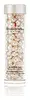
This hydrating serum is formulated around Ceramide Ng and Ceramide NP to hydrate skin and strengthen the skin barrier.
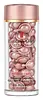
This anti-aging treatment is formulated around Ceramide NP and Hydroxypinacolone Retinoate to soften the look of wrinkles and refine skin texture.

What's inside
What's inside
 Key Ingredients
Benefits
Concerns
Ingredients Side-by-side
Dimethicone
Emollient

Caprylic/Capric Triglyceride
Masking


Dimethicone/Vinyltrimethylsiloxysilicate Crosspolymer
Silica
Abrasive


Ethylhexyl Palmitate
Emollient




C12-15 Alkyl Benzoate
AntimicrobialDimethiconol
Emollient
Butylene Glycol
Humectant
Ceramide Ng
Skin Conditioning


Ceramide NP
Skin Conditioning
Ceramide Ns
Skin Conditioning
Cyclopentasiloxane
Emollient
Diethylhexyl Syringylidenemalonate
Skin Protecting
Ethylhexyl Cocoate
Emollient
Helianthus Annuus Seed Oil
Emollient
Hydrogenated Castor Oil
Emollient
Hydrolyzed Sodium Hyaluronate
Skin Conditioning
Lactic Acid
Buffering




Lecithin
Emollient
Olea Europaea Fruit Oil
Masking
Palmitoyl Hexapeptide-12
Skin Conditioning
PEG-10 Phytosterol
EmulsifyingPentylene Glycol
Skin Conditioning
Persea Gratissima Oil
Skin Conditioning
Phytosphingosine
Skin Conditioning
Phytosterols
Skin Conditioning
Propylene Glycol Dicaprylate/Dicaprate
EmollientRicinus Communis Seed Oil
Masking
Silica Dimethyl Silylate
EmollientSodium Hyaluronate
Humectant
Tribehenin
Emollient
Zingiber Zerumbet Extract
Skin ConditioningPhenoxyethanol
Preservative
Dimethicone, Caprylic/Capric Triglyceride, Dimethicone/Vinyltrimethylsiloxysilicate Crosspolymer, Silica, Ethylhexyl Palmitate, C12-15 Alkyl Benzoate, Dimethiconol, Butylene Glycol, Ceramide Ng, Ceramide NP, Ceramide Ns, Cyclopentasiloxane, Diethylhexyl Syringylidenemalonate, Ethylhexyl Cocoate, Helianthus Annuus Seed Oil, Hydrogenated Castor Oil, Hydrolyzed Sodium Hyaluronate, Lactic Acid, Lecithin, Olea Europaea Fruit Oil, Palmitoyl Hexapeptide-12, PEG-10 Phytosterol, Pentylene Glycol, Persea Gratissima Oil, Phytosphingosine, Phytosterols, Propylene Glycol Dicaprylate/Dicaprate, Ricinus Communis Seed Oil, Silica Dimethyl Silylate, Sodium Hyaluronate, Tribehenin, Zingiber Zerumbet Extract, Phenoxyethanol
Cyclopentasiloxane
Emollient
Dimethicone
Emollient
C12-15 Alkyl Benzoate
AntimicrobialVinyl Dimethicone/Methicone Silsesquioxane Crosspolymer
Diisopropyl Adipate
EmollientDimethicone/Vinyl Dimethicone Crosspolymer
Skin Conditioning
Dimethicone Crosspolymer
Emulsion Stabilising
Bisabolol
Antioxidant
Butyrospermum Parkii Butter
Skin Conditioning
C18-36 Acid Glycol Ester
EmollientC18-36 Acid Triglyceride
EmollientCeramide NP
Skin Conditioning
Colloidal Oatmeal
Absorbent
Farnesol
Perfuming
Glycine Soja Oil
Emollient
Hydroxypinacolone Retinoate
Skin Conditioning

Limnanthes Alba Seed Oil
Skin Conditioning
Macadamia Integrifolia Seed Oil
Skin Conditioning
Moringa Oleifera Seed Oil
Emollient
Palmitoyl Tetrapeptide-7
Skin Conditioning
Palmitoyl Tripeptide-1
Skin Conditioning
Phytosphingosine
Skin Conditioning
Retinol
Skin Conditioning
Silica Silylate
Emollient
Sorbitan Laurate
Emulsifying
Tocopheryl Acetate
Antioxidant
Cyclopentasiloxane, Dimethicone, C12-15 Alkyl Benzoate, Vinyl Dimethicone/Methicone Silsesquioxane Crosspolymer, Diisopropyl Adipate, Dimethicone/Vinyl Dimethicone Crosspolymer, Dimethicone Crosspolymer, Bisabolol, Butyrospermum Parkii Butter, C18-36 Acid Glycol Ester, C18-36 Acid Triglyceride, Ceramide NP, Colloidal Oatmeal, Farnesol, Glycine Soja Oil, Hydroxypinacolone Retinoate, Limnanthes Alba Seed Oil, Macadamia Integrifolia Seed Oil, Moringa Oleifera Seed Oil, Palmitoyl Tetrapeptide-7, Palmitoyl Tripeptide-1, Phytosphingosine, Retinol, Silica Silylate, Sorbitan Laurate, Tocopheryl Acetate
Ingredients Explained
These ingredients are found in both products.
Ingredients higher up in an ingredient list are typically present in a larger amount.
C12-15 Alkyl Benzoate is a lightweight emollient made by combinig benzoic acid with fatty alcohols that are 12-15 carbons long.
In cosmetics, it plays several roles:
The Cosmetic Review Expert Panel has concluded the alkyl benzoate group to be safe as used in cosmetics; it wasn't found to be a skin irritant and unlikely to be absorbed due to its low water solubility.
This report recorded almost 1000 reported uses with concentrations up to 59% in leave-on products but your cosmetics will typically use 0.5-15% depending on the product.
It's often called a "SPF booster": this is because it keeps UV filters properly dissolved and evenly distributed to support a sunscreen's performance. It doesn't actually raise SPF on its own.
Overall, this ingredient is well tolerated.
This ingredient is fungal acne safe because it is an ester of benzoic acid.
Think of this ingredient as two parts stuck together: an oily part and an acid part. Malassezia only gets a meal when it can snip off a fatty acid to eat. With C12-15 Alkyl Benzoate, the acid part is benzoic acid, which isn't a fatty acid and which the yeast can't use as food.
Benzoic acid is actually used as a preservative to stop yeast from growing.
The oily part is a blend of C12-15 fatty alcohols but fatty alcohols in this size range can support only a little Malassezia growth (mostly for one species of Malassezia as well).
In the ingredient, those alcohols stay locked inside the molecule. The yeast can only reach them by snipping the benzoate bond, and that type of bond is harder for it to cut than a normal fatty bond.
So not much gets released. And whatever does get snipped comes packaged with benzoic acid, which discourages yeast growth.
Learn more about C12-15 Alkyl BenzoateCeramide NP (formerly known as Ceramide 3) is one of the skin's naturally occurring lipids.
Since ceramides are the major lipid components of the skin, they are crucial for maintaining skin barrier and hydration. Ceramide NP most closely mirrors the dominant kind in human skin amongst ceramide subtypes.
This ceramide works by slotting into gaps within the stratum corneum's lipid matrix to limit trans-epidermal water loss (TEWL) and shield the skin against external irritants.
A study with 312 patients found that using a ceramide-containing routine for 4 weeks reduced the severity of atopic dermatitis by over 61%.
Another clinical study in subjects aged 60 and older found that a ceramide body wash and moisturizer improved skin dryness and itchy skin in 15 days.
Overall, ceramides are considered non-irritating and safety tests have found little to no observable adverse effects from using this ingredient.
Ceramide NP is usually sourced from plants (like soybean or rice bran), or produced synthetically.
Learn more about Ceramide NPCyclopentasiloxane (D5) is a lightweight silicone that mostly acts as an emollient and solvent in cosmetics. Its the reason your products feel silky, fast-spreading, and non-greasy.
Since D5 is volatile, it does its thing and then evaporates off the skin quickly.
The safety profile of this ingredient is reassuring; the US CIR Expert Panel concluded D5 is safe as used in cosmetics and Health Canada concluded that D5 is not harmful to human health or the environment as currently used in cosmetics
There's a study that people mention about D5 in a rat study showing tumors. This study is related to long-term inhalation of high D5 levels.
Regulatory bodies have judged this study to be not applicable in topical skincare since skin absorption of D5 is very low and we're not really inhaling huge amounts of D5.
The only restriction for this ingredient is environmental. The European Chemicals Agency (ECHA) restricted D5 in wash-off cosmetics at or above 0.1% due to their persistence in water.
Learn more about CyclopentasiloxaneDimethicone is a type of synthetic silicone created from natural materials such as quartz. It is also known as polydimethylsiloxane.
What it does:
Dimethicone comes in different viscosities:
Depending on the viscosity, dimethicone has different properties.
Ingredients lists don't always show which type is used, so we recommend reaching out to the brand if you have questions about the viscosity.
This ingredient is unlikely to cause irritation because it does not get absorbed into skin. However, people with silicone allergies should be careful about using this ingredient.
Note: Dimethicone may contribute to pilling. This is because it is not oil or water soluble, so pilling may occur when layered with products. When mixed with heavy oils in a formula, the outcome is also quite greasy.
Learn more about DimethiconePhytosphingosine is a phospholipid naturally found in our skin as a building block for ceramides.. It helps moisturize, soothe, and protect skin.
Phytosphingosine contributes to your skin's natural moisturizing factor (NMF). The NMF is responsible for hydration, a strong barrier, and plasticity. Our NMF decreases with age. Increasing NMF leads to more healthy and hydrated skin.
Studies show products formulated with NMF ingredients help strengthen our skin's barrier. Having a healthy skin barrier reduces irritation and increases hydration. Our skin barrier is responsible for having plump and firm skin. It also helps protect our skin against infection, allergies, and inflammation.
Fun fact: Phytosphingosine is abundant in plants and fungi.
More ingredients that help boost collagen in skin:
Learn more about Phytosphingosine


