Eileen Grace Moisturize Rose Jelly Mask Versus SKIN1004 Madagascar Centella Poremizing Quick Clay Stick Mask
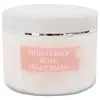
This wash off mask is made with Honey Extract and Hyaluronic Acid for a rinse-off hydration boost.


What's inside
What's inside
 Key Ingredients
Benefits
Concerns
Ingredients Side-by-side
Water
Skin ConditioningCarbomer
Emulsion StabilisingPropanediol
Solvent

Acrylates/C10-30 Alkyl Acrylate Crosspolymer
Emulsion StabilisingHydrolyzed Adansonia Digitata Extract
EmollientHoney Extract
Humectant
Hyaluronic Acid
Humectant


Triethanolamine
BufferingChlorphenesin
Antimicrobial
PPG-1-PEG-9 Lauryl Glycol Ether
EmulsifyingPEG-40 Hydrogenated Castor Oil
Emulsifying


Coceth-7
EmulsifyingRosa Gallica Flower Powder
Skin ConditioningParfum
Masking



Ascorbic Acid
Antioxidant




Aloe Barbadensis Leaf Extract
Emollient

Ruscus Aculeatus Root Extract
Astringent
Hydrolyzed Yeast Protein
Skin ConditioningChondrus Crispus Extract
Skin Conditioning
Butylene Glycol
Humectant
Ammonium Glycyrrhizate
MaskingPanthenol
Skin Conditioning
Escin
TonicCentella Asiatica Extract
Cleansing
Calendula Officinalis Flower Extract
Masking
Sodium Hyaluronate
Humectant
Water, Carbomer, Propanediol, Acrylates/C10-30 Alkyl Acrylate Crosspolymer, Hydrolyzed Adansonia Digitata Extract, Honey Extract, Hyaluronic Acid, Triethanolamine, Chlorphenesin, PPG-1-PEG-9 Lauryl Glycol Ether, PEG-40 Hydrogenated Castor Oil, Coceth-7, Rosa Gallica Flower Powder, Parfum, Ascorbic Acid, Aloe Barbadensis Leaf Extract, Ruscus Aculeatus Root Extract, Hydrolyzed Yeast Protein, Chondrus Crispus Extract, Butylene Glycol, Ammonium Glycyrrhizate, Panthenol, Escin, Centella Asiatica Extract, Calendula Officinalis Flower Extract, Sodium Hyaluronate
Water
Skin ConditioningKaolin 18%
Abrasive



Dipropylene Glycol
HumectantGlycerin
Humectant
CI 77891
Cosmetic ColorantButylene Glycol
Humectant
Sodium Stearate
Cleansing1,2-Hexanediol
Skin Conditioning
Aloe Barbadensis Leaf Extract
Emollient
Phaseolus Angularis Seed Powder
Cetearyl Olivate
Propanediol
Solvent
Sorbitan Olivate
Emulsifying
Dimethicone
Emollient
CI 77491
Cosmetic ColorantCentella Asiatica Extract 0.05%
Cleansing
Ethylhexylglycerin
Skin ConditioningSodium Phytate
ChelatingBentonite
Absorbent
Illite
Abrasive
Mineral Salts
Skin ConditioningMontmorillonite
AbsorbentCalamine
AbsorbentWater, Kaolin 18%, Dipropylene Glycol, Glycerin, CI 77891, Butylene Glycol, Sodium Stearate, 1,2-Hexanediol, Aloe Barbadensis Leaf Extract, Phaseolus Angularis Seed Powder, Cetearyl Olivate, Propanediol, Sorbitan Olivate, Dimethicone, CI 77491, Centella Asiatica Extract 0.05%, Ethylhexylglycerin, Sodium Phytate, Bentonite, Illite, Mineral Salts, Montmorillonite, Calamine
Reviews
Ingredients Explained
These ingredients are found in both products.
Ingredients higher up in an ingredient list are typically present in a larger amount.
Aloe Barbadensis Leaf Extract is a botanical extract pulled from the leaves of aloe vera and one of the most studied plant ingredients in cosmetics.
The inner leaf gel it comes from is mostly water (~99-99.5%) and the remaining fraction is made up of pretty good stuff: polysaccharides, vitamins, phenolics, and enzymes.
Its headline job is hydration.
The star polysaccharide in aloe, acemannan, is a humectant that retains moisture and helps reduce trans-epidermal water loss.
Aloe also has real soothing credentials; it contains anti-inflammatory compounds like bradykinase and C-glucosyl chromone that help calm irritation and redness.
On the repair side, lab work shows that acemannan wakes up your skin's repair cells (fibroblasts), prompting them to multiply and speed up healing.
There's some human data for cosmetic benefit too: a cream containing 10% Aloe Barbadensis leaf extract improved skin hydration and elasticity in a real-use study.
Safety-wise, this ingredient is well-regarded with just one rare downside; there have been some case reports of acute eczema, contact urticaria, and dermatitis in people who applied aloe-derived ingredients topically. Those with a known aloe or Liliaceae sensitivity should patch test.
Typical use levels range widely, from under 1% up to 90%+ depending on the format and the effect you are after.
Learn more about Aloe Barbadensis Leaf ExtractButylene Glycol (or BG) is used within cosmetic products for a few different reasons:
Overall, Butylene Glycol is a safe and well-rounded ingredient that works well with other ingredients.
Though this ingredient works well with most skin types, some people with sensitive skin may experience a reaction such as allergic rashes, closed comedones, or itchiness.
Learn more about Butylene GlycolCentella Asiatica Extract (Centella) is one of the most researched botanical extracts in skincare with decades of studies backing its effects on inflammation, collagen, and the skin barrier.
That research keeps pointing back to the same four triterpenoid saponins: Asiaticoside, Madecassoside, Asiatic Acid, and Madecassic Acid.
These compounds allow centella to dial back inflammation, encourage the skin to build and hold onto collagen, support the barrier and hydration, and bring solid antioxidant activity to protect against signs of aging.
Centella also carries a nice supporting cast of Vitamin A, vitamin C, several B vitamins, and amino acids. Put it all together and you get an ingredient that soothes, hydrates, and protects, all at once.
Most of centella's magic comes from the four big compounds (Asiaticoside, Madecassoside, Asiatic Acid, and Madecassic Acid). These are the actives doing the heavy lifting in almost every centella study.
Here is the short version of what they do in the skin:
So it is not just soothing for the sake of soothing. Centella calms the skin AND helps it rebuild.
Just FYI, not all centella on an ingredient list is the same. What you are getting actually depends on the extract:
Fun fact on the ratios: the leaves tend to be richest in Madecassoside and Asiaticoside, and lower in the two acids. The exact amounts shift with where the plant is grown and how it is processed. This means purity really does vary brand to brand.
Centella is one of the most easygoing actives out there.
It layers well with basically everything: niacinamide, hyaluronic acid, peptides, and vitamin C, and also pairs nicely with stronger actives like retinoids and exfoliating acids where it can help take the edge off irritation.
On the safety side, centella and its triterpenes are classified as weak sensitizers, meaning allergic reactions are possible but uncommon.
Patch tests at 1% and 5% came back negative in test panels, and creams at typical use levels did not cause allergic reactions across large groups of people.
But as with any new active, a patch test is still a smart move for very reactive skin.
Centella is widely used because it is effective at low percentages. For context, human safety testing found no meaningful irritation from creams containing centella extract at everyday use levels (the tested amounts were well under 1%).
The irritancy threshold in animal testing was also above 30% (so real-world formulas sit far below anything concerning).
In collagen lab studies, higher concentrations drove more collagen synthesis, so serums built around centella tend to feature it more prominently.
Bottom line: you will find centella working nicely anywhere from a fraction of a percent up to hero-ingredient levels depending on whether it is a supporting soother or the main event.
Fun fact: Centella has been used as a medicine and in food for many centuries. As a medicine, it is used to treat burns, scratches, and wounds.
Learn more about Centella Asiatica ExtractPropanediol is an all-star ingredient. It softens, hydrates, and smooths the skin.
It’s often used to:
Propanediol is not likely to cause sensitivity and considered safe to use. It is derived from corn or petroleum with a clear color and no scent.
Learn more about PropanediolWater. It's the most common cosmetic ingredient of all. You'll usually see it at the top of ingredient lists, meaning that it makes up the largest part of the product.
So why is it so popular? Water most often acts as a solvent - this means that it helps dissolve other ingredients into the formulation.
You'll also recognize water as that liquid we all need to stay alive. If you see this, drink a glass of water. Remember to stay hydrated!
Learn more about Water

