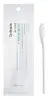
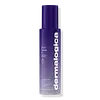
Dr. Oracle A-Thera Tea Tree Peeling Sticks Versus Dermalogica Phyto Nature E2 Regenerating Daily Leave-On
This smoothing treatment is formulated around Lactic Acid and Glycolic Acid to refine skin texture and clear breakouts.
This smoothing treatment is formulated around Lactococcus Ferment Lysate and Lactic Acid to refine skin texture and soften the look of wrinkles.


What's inside
What's inside
 Key Ingredients
Benefits
Concerns
Ingredients Side-by-side
Lactic Acid
Buffering










Glycolic Acid
Buffering

Melaleuca Alternifolia Leaf Extract
Perfuming
Gaultheria Procumbens Leaf Extract
Perfuming
Bambusa Vulgaris Water
Skin ConditioningWater
Skin ConditioningPropanediol
Solvent

Alcohol
Antimicrobial

Glycerin
Humectant
Arginine
Masking
Butylene Glycol
Humectant
Sodium Citrate
BufferingErythritol
Humectant
Tremella Fuciformis Extract
Humectant
Citrus Limon Fruit Extract
Masking
Pyrus Malus Fruit Extract
Skin Conditioning
Psidium Guajava Fruit Extract
AstringentDisodium EDTA
ChelatingPEG-75
HumectantXanthan Gum
EmulsifyingPEG-60 Hydrogenated Castor Oil
Emulsifying

1,2-Hexanediol
Skin Conditioning
Chlorphenesin
Antimicrobial
Mentha Piperita Oil
Masking

Lactic Acid, Glycolic Acid, Melaleuca Alternifolia Leaf Extract, Gaultheria Procumbens Leaf Extract, Bambusa Vulgaris Water, Water, Propanediol, Alcohol, Glycerin, Arginine, Butylene Glycol, Sodium Citrate, Erythritol, Tremella Fuciformis Extract, Citrus Limon Fruit Extract, Pyrus Malus Fruit Extract, Psidium Guajava Fruit Extract, Disodium EDTA, PEG-75, Xanthan Gum, PEG-60 Hydrogenated Castor Oil, 1,2-Hexanediol, Chlorphenesin, Mentha Piperita Oil
Water
Skin ConditioningLactobacillus/Pumpkin Ferment Extract
Skin ConditioningPropanediol
Solvent
Lactococcus Ferment Lysate
Skin Conditioning
Ethoxydiglycol
HumectantHydrolyzed Soy Protein
Humectant
Acetyl Glucosamine
Skin Conditioning
Hydroxyacetophenone
Antioxidant
Lactic Acid
Buffering
Hydrolyzed Opuntia Ficus-Indica Flower Extract
Abrasive
Helianthus Annuus Seed Oil
Emollient
Citrus Aurantium Bergamia Fruit Oil
Masking
Citrus Limon Peel Oil
Masking
Citrus Aurantium Dulcis Peel Oil
Masking
Salvia Sclarea Oil
Masking
Pyrus Malus Fruit Extract
Skin Conditioning
Viola Odorata Leaf Extract
MaskingAcacia Senegal Gum Extract
Curcuma Longa Root Extract
Antioxidant
Mucor Miehei Extract
AstringentLavandula Spica Flower/Leaf/Stem Extract
Skin ConditioningRosmarinus Officinalis Leaf Oil
Masking
Litsea Cubeba Fruit Oil
Masking
Camellia Japonica Flower Extract
EmollientGlycerin
Humectant
Mentha Piperita Oil
Masking
Butylene Glycol
Humectant
Lactobacillus Ferment
Skin Conditioning
Glycogen
HumectantUrea
Buffering
Caprylyl Glycol
Emollient
Phospholipids
Skin Conditioning
Glucosamine Hcl
Xanthan Gum
EmulsifyingPEG-40 Hydrogenated Castor Oil
Emulsifying
1,2-Hexanediol
Skin Conditioning
Tetrasodium Glutamate Diacetate
ChelatingSodium Hydroxide
BufferingCitric Acid
Buffering
Polyacrylate Crosspolymer-6
Emulsion StabilisingAcacia Senegal Gum
MaskingSodium Chloride
MaskingSodium Citrate
BufferingDisodium EDTA
ChelatingSodium Benzoate
Masking
Potassium Sorbate
Preservative
Limonene
Perfuming
Linalool
Perfuming
Citral
Perfuming
Water, Lactobacillus/Pumpkin Ferment Extract, Propanediol, Lactococcus Ferment Lysate, Ethoxydiglycol, Hydrolyzed Soy Protein, Acetyl Glucosamine, Hydroxyacetophenone, Lactic Acid, Hydrolyzed Opuntia Ficus-Indica Flower Extract, Helianthus Annuus Seed Oil, Citrus Aurantium Bergamia Fruit Oil, Citrus Limon Peel Oil, Citrus Aurantium Dulcis Peel Oil, Salvia Sclarea Oil, Pyrus Malus Fruit Extract, Viola Odorata Leaf Extract, Acacia Senegal Gum Extract, Curcuma Longa Root Extract, Mucor Miehei Extract, Lavandula Spica Flower/Leaf/Stem Extract, Rosmarinus Officinalis Leaf Oil, Litsea Cubeba Fruit Oil, Camellia Japonica Flower Extract, Glycerin, Mentha Piperita Oil, Butylene Glycol, Lactobacillus Ferment, Glycogen, Urea, Caprylyl Glycol, Phospholipids, Glucosamine Hcl, Xanthan Gum, PEG-40 Hydrogenated Castor Oil, 1,2-Hexanediol, Tetrasodium Glutamate Diacetate, Sodium Hydroxide, Citric Acid, Polyacrylate Crosspolymer-6, Acacia Senegal Gum, Sodium Chloride, Sodium Citrate, Disodium EDTA, Sodium Benzoate, Potassium Sorbate, Limonene, Linalool, Citral
Ingredients Explained
These ingredients are found in both products.
Ingredients higher up in an ingredient list are typically present in a larger amount.
1,2-Hexanediol is a synthetic liquid and another multi-functional powerhouse.
It is a:
- Humectant, drawing moisture into the skin
- Emollient, helping to soften skin
- Solvent, dispersing and stabilizing formulas
- Preservative booster, enhancing the antimicrobial activity of other preservatives
Butylene Glycol (or BG) is used within cosmetic products for a few different reasons:
Overall, Butylene Glycol is a safe and well-rounded ingredient that works well with other ingredients.
Though this ingredient works well with most skin types, some people with sensitive skin may experience a reaction such as allergic rashes, closed comedones, or itchiness.
Learn more about Butylene GlycolDisodium EDTA is a chelating agent. It grabs onto and deactivates metal ions that sneak into your products from water, packaging, or air.
This ingredient mainly works behind the scenes and helps with:
On top of that, this ingredient can counteract the effects of hard water by binding to the minerals in it.
One thing worth knowing is that Disodium EDTA has been shown to be a mild penetration enhancer. It can help other ingredients absorb into skin more effectively which can be a double-edged sword (great for actives, but can also make the active too strong if you have sensitive skin).
Clinical patch testing showed no significant skin irritation at typical use concentrations and minimal dermal absorption.
You'll most likely see this ingredient near the end of an ingredient list. It's typically found in concentrations less than 1%.
Learn more about Disodium EDTAGlycerin (or glycerol) is a compound naturally found in your skin. It's a powerhouse humectant that pulls water into the stratum corneum.
Topically, glycerin does several things at once:
Your skin makes glycerin on its own (mostly from sebaceous oil breakdown) and shuttles it to your outermost layer of skin, or your epidermis, via aquaporin-3.
Aquaporin-3 is a transporter that is essential for normal skin hydration, elasticity, and repair. Interestingly, mice lacking in AQP3 have dry and less elastic skin that can be fully corrected with glycerin.
This ingredient is non-irritating, plays well with almost every ingredient, and works across all skin types. Typical use is anywhere between 3-10% but can go up to 79% in some leave-on products.
Just know very high concentrations (>40%) can feel tacky in low humidity.
Glycerin is the name for this ingredient in American English. British English uses Glycerol/Glycerine.
Learn more about GlycerinLactic Acid is another well-loved alpha hydroxy acid (AHA). It is gentler than glycolic acid but still highly effective.
Its main role is to exfoliate the surface of the skin by loosening the “glue” that holds dead skin cells together. Shedding those old cells leads to smoother, softer, and more even-toned skin.
Because lactic acid molecules are larger than glycolic acid, they don’t penetrate as deeply. This means they’re less likely to sting or irritate, making it a great choice for beginners or those with sensitive skin.
Like glycolic acid, it can:
Lactic acid also acts as a humectant (like hyaluronic acid). It can draw water into the skin to improve hydration and also plays a role in the skin's natural moisturizing factor (NMF) in the form of sodium lactate.
Studies show it can boost ceramide production to strengthen the skin barrier and even help balance the skin’s microbiome.
To get results, choose products with a pH between 3-4.
Lower strengths (5-12%) focus on surface exfoliation; higher strengths (12% and up) can reach deeper in the dermis (deeper, supportive layer) to improve skin texture and firmness over time.
Though it was originally derived from milk, most modern lactic acid used in skincare is vegan. It is made through non-dairy fermentation to create a bio-identical and stable form suitable for all formulations.
When lactic acid shows up near the end of an ingredient list, it usually means the brand added just a tiny amount to adjust the product’s pH.
Legend has it that Cleopatra used to bathe in sour milk to help reduce wrinkles.
Lactic acid is truly a gentle multitasker: it exfoliates, hydrates, strengthens, and brightens. It's a great ingredient for giving your skin a smooth, glowing, and healthy look without the harshness of stronger acids.
Read more about some other popular AHA's here:
Learn more about Lactic AcidThis essential oil is steam-distilled from peppermint leaves, also known as peppermint oil. It's mainly used for scent in skincare but also provides that signature "cooling" sensation.
Peppermint oil is a "feels amazing" ingredient until it doesn't.
At higher doses or for those with sensitive skin, methol-type cooling can quickly turn into burning/irritation. It can also trigger irritant dermatitis or even allergic contact dermatitis. In a large patch-test dataset, peppermint oil had a low but positive rate for this.
In cosmetics, Cosmetic Safety Reviews (CIR) concludes that peppermint oil is safe to use when formulated to be non-sensitizing with some restrictions; for instance, pulegone, a naturally occurring component of peppermint oil, should not exceed 1%.
Since peppermint oil contains fragrance allergens such as limonene, linalool, and menthol, it can be sensitizing for those with rosacea, eczema, a broken skin barrier, or just sensitive skin in general.
In Japan, this ingredient is known as Hakka Yu.
Learn more about Mentha Piperita OilPropanediol is an all-star ingredient. It softens, hydrates, and smooths the skin.
It’s often used to:
Propanediol is not likely to cause sensitivity and considered safe to use. It is derived from corn or petroleum with a clear color and no scent.
Learn more about PropanediolPyrus Malus Fruit Extract is extract from Apples. Apples are rich in Vitamin C, sugars, and antioxidants.
The sugar in Apples are humectants and help hydrate the skin. On top of that, apples also contain some acids, such as malic acid. These acids may have a mild exfoliating effect.
Last, the phytochemicals found in apples are strong antioxidants. These antioxidants help with anti-aging as they protect your skin cells against oxidative damage.
Learn more about Pyrus Malus Fruit ExtractSodium Citrate is the sodium salts of citric acid. In skincare, it is used to alter pH levels and acts as a preservative.
Its main functions are to maintain the pH of a product and neutralize metal ions.
The acidity of our skin is maintained by our glands and skin biome; normal pH level of skin is slightly acidic (~4.75-5.5).
Being slightly acidic allows our skin to create an "acid mantle". This acid mantle is a thin barrier that protects our skin from bacteria and contaminants.
Learn more about Sodium CitrateWater. It's the most common cosmetic ingredient of all. You'll usually see it at the top of ingredient lists, meaning that it makes up the largest part of the product.
So why is it so popular? Water most often acts as a solvent - this means that it helps dissolve other ingredients into the formulation.
You'll also recognize water as that liquid we all need to stay alive. If you see this, drink a glass of water. Remember to stay hydrated!
Learn more about WaterXanthan gum is used as a stabilizer and thickener within cosmetic products. It helps give products a sticky, thick feeling - preventing them from being too runny.
On the technical side of things, xanthan gum is a polysaccharide - a combination consisting of multiple sugar molecules bonded together.
Xanthan gum is a pretty common and great ingredient. It is a natural, non-toxic, non-irritating ingredient that is also commonly used in food products.
Learn more about Xanthan Gum

