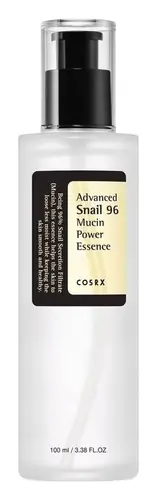
This hydrating toner is formulated around Niacinamide and Panthenol to hydrate skin and soften the look of wrinkles.
This acne toner is formulated around Capryloyl Salicylic Acid and Glycolic Acid to clear breakouts and balance excess oil.

What's inside
What's inside
 Key Ingredients
Benefits
Concerns
Ingredients Side-by-side
Water
Skin ConditioningGlycerin
Humectant


Methylpropanediol
SolventPropanediol
Solvent
1,2-Hexanediol
Skin Conditioning
Niacinamide
Smoothing









Glycereth-26
Humectant
Panthenol
Skin Conditioning
Butylene Glycol
Humectant
Betaine
Humectant
Ethylhexylglycerin
Skin ConditioningGlyceryl Glucoside
Humectant
Dioscorea Japonica Root Extract
Skin Conditioning
Glycosyl Trehalose
Emulsion StabilisingAdenosine
Skin Conditioning
Xanthan Gum
EmulsifyingHydrogenated Starch Hydrolysate
HumectantRaffinose
Skin ConditioningSodium Hyaluronate
Humectant
Hydroxypropyltrimonium Hyaluronate
Cellulose Gum
Emulsion StabilisingLecithin
Emollient
Parfum
Masking




Amaranthus Caudatus Seed Extract
Skin Conditioning
Arctium Lappa Root Extract
Skin Conditioning
Fructan
Skin ConditioningPhellinus Linteus Extract
Skin ConditioningUlmus Davidiana Root Extract
Skin Conditioning
Polyquaternium-51
Skin Conditioning
Acrylates/C10-30 Alkyl Acrylate Crosspolymer
Emulsion StabilisingCentella Asiatica Extract
Cleansing
Octyldodeceth-16
EmulsifyingTromethamine
BufferingBiosaccharide Gum-1
Humectant
Tocopherol
Antioxidant

Hydrolyzed Hyaluronic Acid
Humectant
Sodium Acetylated Hyaluronate
Humectant
Hyaluronic Acid
Humectant
Sodium Hyaluronate Crosspolymer
Humectant
Water, Glycerin, Methylpropanediol, Propanediol, 1,2-Hexanediol, Niacinamide, Glycereth-26, Panthenol, Butylene Glycol, Betaine, Ethylhexylglycerin, Glyceryl Glucoside, Dioscorea Japonica Root Extract, Glycosyl Trehalose, Adenosine, Xanthan Gum, Hydrogenated Starch Hydrolysate, Raffinose, Sodium Hyaluronate, Hydroxypropyltrimonium Hyaluronate, Cellulose Gum, Lecithin, Parfum, Amaranthus Caudatus Seed Extract, Arctium Lappa Root Extract, Fructan, Phellinus Linteus Extract, Ulmus Davidiana Root Extract, Polyquaternium-51, Acrylates/C10-30 Alkyl Acrylate Crosspolymer, Centella Asiatica Extract, Octyldodeceth-16, Tromethamine, Biosaccharide Gum-1, Tocopherol, Hydrolyzed Hyaluronic Acid, Sodium Acetylated Hyaluronate, Hyaluronic Acid, Sodium Hyaluronate Crosspolymer



Reviews
Ingredients Explained
These ingredients are found in both products.
Ingredients higher up in an ingredient list are typically present in a larger amount.
1,2-Hexanediol is a synthetic liquid and another multi-functional powerhouse.
It is a:
- Humectant, drawing moisture into the skin
- Emollient, helping to soften skin
- Solvent, dispersing and stabilizing formulas
- Preservative booster, enhancing the antimicrobial activity of other preservatives
Betaine is a humectant. Like hyaluronic acid, it helps attract and retain moisture in the skin. It’s known for being gentle and for helping the skin maintain balanced hydration.
Betaine is mainly used to improve hydration and support calmer skin. It helps skin cells regulate water balance because it functions as an osmolyte.
Some studies suggest betaine may support making skin tone more even.
Fun fact: Betaine naturally exists in the skin and the body. In cosmetic products, it can be either plant-derived (most commonly from sugar beets) or synthetically produced for consistency and stability.
Betaine is also known as trimethylglycine.
Learn more about BetaineGlycerin (or glycerol) is a compound naturally found in your skin. It's a powerhouse humectant that pulls water into the stratum corneum.
Topically, glycerin does several things at once:
Your skin makes glycerin on its own (mostly from sebaceous oil breakdown) and shuttles it to your outermost layer of skin, or your epidermis, via aquaporin-3.
Aquaporin-3 is a transporter that is essential for normal skin hydration, elasticity, and repair. Interestingly, mice lacking in AQP3 have dry and less elastic skin that can be fully corrected with glycerin.
This ingredient is non-irritating, plays well with almost every ingredient, and works across all skin types. Typical use is anywhere between 3-10% but can go up to 79% in some leave-on products.
Just know very high concentrations (>40%) can feel tacky in low humidity.
Glycerin is the name for this ingredient in American English. British English uses Glycerol/Glycerine.
Learn more about GlycerinHydrolyzed Hyaluronic Acid is hyaluronic acid (HA) that is broken down into lower molecular weight fragments.
It's a humectant that pulls and holds water in the skin to help with hydration, plumpness, and reduce transepidermal water loss.
Because hydrolyzed hyaluronic acid is smaller in size, it can slip past your outermost layer of skin more easily than full-sized HA.
Most formulations will combine all sizes to get the best of both worlds.
Typical usage levels range from 0.01-1%. Any percentage higher than 2% might become goopy and tacky.
Learn more about Hydrolyzed Hyaluronic AcidMethylpropanediol is a synthetic solvent and humectant.
As a solvent, it helps dissolve other ingredients, helping to evenly distribute ingredients throughout the product. This ingredient has also been shown to have antimicrobial properties which makes it a preservative booster.
Methylpropanediol is able to add a bit of moisture to the skin. It also helps other ingredients be better absorbed into the skin, such as salicylic acid.
Learn more about MethylpropanediolPanthenol is a common ingredient that helps hydrate and soothe the skin. It is found naturally in our skin and hair.
There are two forms of panthenol: D and L.
D-panthenol is also known as dexpanthenol. Most cosmetics use dexpanthenol or a mixture of D and L-panthenol.
Panthenol is famous due to its ability to go deeper into the skin's layers. Using this ingredient has numerous pros (and no cons):
Like hyaluronic acid, panthenol is a humectant. Humectants are able to bind and hold large amounts of water to keep skin hydrated.
This ingredient works well for wound healing. It works by increasing tissue in the wound and helps close open wounds.
Once oxidized, panthenol converts to pantothenic acid. Panthothenic acid is found in all living cells.
This ingredient is also referred to as pro-vitamin B5.
Learn more about PanthenolWater. It's the most common cosmetic ingredient of all. You'll usually see it at the top of ingredient lists, meaning that it makes up the largest part of the product.
So why is it so popular? Water most often acts as a solvent - this means that it helps dissolve other ingredients into the formulation.
You'll also recognize water as that liquid we all need to stay alive. If you see this, drink a glass of water. Remember to stay hydrated!
Learn more about Water