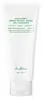
This mild gel cleanser is made to cleanse while calming and soothing your skin.
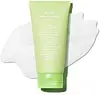
This mild cream cleanser is made to cleanse while calming and soothing your skin.

What's inside
What's inside
 Key Ingredients
No key ingredients
Benefits
Concerns
No concerns
Ingredients Side-by-side
Water
Skin ConditioningGlycerin
Humectant


Sodium Cocoyl Alaninate
Surfactant
Disodium Cocoamphodiacetate
CleansingSodium Methyl Cocoyl Taurate
Cleansing
Acrylates/C10-30 Alkyl Acrylate Crosspolymer
Emulsion StabilisingBetula Platyphylla Japonica Juice
Skin Conditioning
Sodium Chloride
MaskingBetaine
Humectant
Lauryl Hydroxysultaine
Cleansing1,2-Hexanediol
Skin Conditioning
Caprylyl Glycol
Emollient
Coco-Glucoside
Cleansing
Potassium Cocoyl Glycinate
Surfactant
Citric Acid
Buffering


Sodium Cocoyl Isethionate
Cleansing
Sodium Phytate
Caprylic/Capric Triglyceride
Masking
Dextrin
AbsorbentButylene Glycol
Humectant
Hydrogenated Lecithin
Emulsifying
Gardenia Florida Fruit Extract
Skin ConditioningHexylene Glycol
EmulsifyingQuillaja Saponaria Bark Extract
CleansingCeramide NP
Skin Conditioning


Glyceryl Caprylate
EmollientCynanchum Atratum Extract
Skin ConditioningEthylhexylglycerin
Skin ConditioningAlthaea Rosea Flower Extract
Skin ConditioningHydrolyzed Hyaluronic Acid
Humectant
Houttuynia Cordata Extract
Skin Conditioning
Water, Glycerin, Sodium Cocoyl Alaninate, Disodium Cocoamphodiacetate, Sodium Methyl Cocoyl Taurate, Acrylates/C10-30 Alkyl Acrylate Crosspolymer, Betula Platyphylla Japonica Juice, Sodium Chloride, Betaine, Lauryl Hydroxysultaine, 1,2-Hexanediol, Caprylyl Glycol, Coco-Glucoside, Potassium Cocoyl Glycinate, Citric Acid, Sodium Cocoyl Isethionate, Sodium Phytate, Caprylic/Capric Triglyceride, Dextrin, Butylene Glycol, Hydrogenated Lecithin, Gardenia Florida Fruit Extract, Hexylene Glycol, Quillaja Saponaria Bark Extract, Ceramide NP, Glyceryl Caprylate, Cynanchum Atratum Extract, Ethylhexylglycerin, Althaea Rosea Flower Extract, Hydrolyzed Hyaluronic Acid, Houttuynia Cordata Extract
Water
Skin ConditioningSodium Cocoyl Isethionate
Cleansing
Glycerin
Humectant
Lauryl Betaine
CleansingGlyceryl Stearate
Emollient
Stearyl Alcohol
Emollient
Cedrus Atlantica Bark Oil
Masking




Houttuynia Cordata Extract
Skin Conditioning
Rosmarinus Officinalis Leaf Oil
Masking
Salvia Sclarea Oil
Masking
Centella Asiatica Extract
Cleansing
Gaultheria Procumbens Leaf Extract
Perfuming
Sodium Methyl Cocoyl Taurate
Cleansing
Caprylyl Glycol
Emollient
1,2-Hexanediol
Skin Conditioning
Sodium Phytate
Panthenol
Skin Conditioning
Butylene Glycol
Humectant
Ethylhexylglycerin
Skin ConditioningWater, Sodium Cocoyl Isethionate, Glycerin, Lauryl Betaine, Glyceryl Stearate, Stearyl Alcohol, Cedrus Atlantica Bark Oil, Houttuynia Cordata Extract, Rosmarinus Officinalis Leaf Oil, Salvia Sclarea Oil, Centella Asiatica Extract, Gaultheria Procumbens Leaf Extract, Sodium Methyl Cocoyl Taurate, Caprylyl Glycol, 1,2-Hexanediol, Sodium Phytate, Panthenol, Butylene Glycol, Ethylhexylglycerin
Reviews
Ingredients Explained
These ingredients are found in both products.
Ingredients higher up in an ingredient list are typically present in a larger amount.
1,2-Hexanediol is a synthetic liquid and another multi-functional powerhouse.
It is a:
- Humectant, drawing moisture into the skin
- Emollient, helping to soften skin
- Solvent, dispersing and stabilizing formulas
- Preservative booster, enhancing the antimicrobial activity of other preservatives
Butylene Glycol (or BG) is used within cosmetic products for a few different reasons:
Overall, Butylene Glycol is a safe and well-rounded ingredient that works well with other ingredients.
Though this ingredient works well with most skin types, some people with sensitive skin may experience a reaction such as allergic rashes, closed comedones, or itchiness.
Learn more about Butylene GlycolCaprylyl Glycol is a humectant, skin conditioner, emollient, and preservative booster derived from either caprylic acid or synthetically created.
Typical use levels vary from 0.3-1% as a preservative booster and go up to 2% to condition skin.
Because it is not a free-fatty acid, this ingredient is fungal acne safe (there's nothing for Malassezia to feed on).
Learn more about Caprylyl GlycolEthylhexylglycerin is created from glycerin. It is a multitasker ingredient that:
The CIR Expert Panel found minimal skin absorption or sensitization of any kind in a safety assessment. Though this ingredient is considered well-tolerated, a small number of cases of allergic dermatitis have been published since 2002. Just be sure to patch test if you are unsure.
Industry-reported use ranges from 8% in rinse-off products and 2% in leave-on formulations.
Learn more about EthylhexylglycerinGlycerin (or glycerol) is a compound naturally found in your skin. It's a powerhouse humectant that pulls water into the stratum corneum.
Topically, glycerin does several things at once:
Your skin makes glycerin on its own (mostly from sebaceous oil breakdown) and shuttles it to your outermost layer of skin, or your epidermis, via aquaporin-3.
Aquaporin-3 is a transporter that is essential for normal skin hydration, elasticity, and repair. Interestingly, mice lacking in AQP3 have dry and less elastic skin that can be fully corrected with glycerin.
This ingredient is non-irritating, plays well with almost every ingredient, and works across all skin types. Typical use is anywhere between 3-10% but can go up to 79% in some leave-on products.
Just know very high concentrations (>40%) can feel tacky in low humidity.
Glycerin is the name for this ingredient in American English. British English uses Glycerol/Glycerine.
Learn more about GlycerinHouttuynia Cordata Extract is more commonly known as Heart Leaf, Fish Mint, or Chameleon plant.
The components found in Heart Leaf give it antioxidant, hydrating, antimicrobial, and anti-inflammatory properties.
Heart Leaf is rich in flavonoids such as quercetin, apigenin, and more. It also contains polysaccharides, the most common type of carbs in food.
Flavonoids have been shown to be effective antioxidants. They help neutralize free-radical molecules. Free-radical molecules are unstable molecules that may damage our skin cells and DNA. The flavonoids in Heart Leaf also help soothe the skin.
Polysaccharides are naturally found in our skin. They play a role in hydrating and repairing the top layer of skin. The polysaccharides in Heart Leaf help moisturize our skin.
Studies show decanoyl acetaldehyde, a component of Heart Leaf oil, is effective at killing bacteria.
The name 'Fish Mint' comes from the herb's natural fishy smell. Is is native to southeast Asia and used throughout the continent for traditional cooking and medicine.
Learn more about Houttuynia Cordata ExtractSodium cocoyl isethionate is a natural ingredient from coconut oil. It is an ultra gentle cleanser that gives a nice foam without drying the skin or impacting the skin barrier.
The amount of foam created depends on the amount of sodium cocoyl isethionate used in the product.
This ingredient also helps improve the spreadability of a product.
This ingredient hasn’t been shown in studies to feed fungal acne yeast.
Learn more about Sodium Cocoyl IsethionateSodium Methyl Cocoyl Taurate is a gentle, coconut-derived cleansing surfactant. It's most commonly found in "sulfate-free" cleansers.
As a taurate, it belongs to a class of anionic surfactants prized for being efficient at cleansing without harshness, good performance in hard water, stability across a wide pH range, and easily biodegradable.
It is able to lift away oil and grime and make a nice lather without stripping your skin, so it's a good pick for sensitive skin.
Safety-wise, it has a good record. The CIR Expert Panel has concluded this ingredient to be safe in cosmetics and concentrations go up to 11% in leave-on products or 13% in rinse-off products.
Despite being derived from coconut oil, this ingredient is fungal acne safe. It's a water-soluble surfactant with no fatty oils or esters left intact on skin for the Malassezia yeast to feed.
Learn more about Sodium Methyl Cocoyl TaurateSodium Phytate is the synthetic salt form of phytic acid. Phytic acid is an antioxidant and can be found in plant seeds.
Sodium Phytate is a chelating agent. Chelating agents help prevent metals from binding to water. This helps stabilize the ingredients and the product.
Water. It's the most common cosmetic ingredient of all. You'll usually see it at the top of ingredient lists, meaning that it makes up the largest part of the product.
So why is it so popular? Water most often acts as a solvent - this means that it helps dissolve other ingredients into the formulation.
You'll also recognize water as that liquid we all need to stay alive. If you see this, drink a glass of water. Remember to stay hydrated!
Learn more about Water

