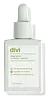
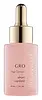
Divi Scalp Serum Versus Vegamour GRO Hair Serum

What's inside
What's inside
 Key Ingredients
Benefits
Concerns
Ingredients Side-by-side
Water
Skin ConditioningGlycerin
Humectant


Melaleuca Alternifolia Leaf Oil
Antioxidant







Acetyl Tetrapeptide-3
Skin Protecting
Copper Tripeptide-1
Skin Conditioning
Caffeine
Skin Conditioning
Sodium PCA
Humectant
Sodium Lactate
Buffering
Arginine
Masking
Hyaluronic Acid
Humectant
Aspartic Acid
Masking
PCA
Humectant
Biotin
AntiseborrhoeicGlycine
Buffering
Alanine
Masking
Mentha Piperita Oil
Masking


Eucalyptus Globulus Oil
Serine
Masking
Menthol
Masking
Tocopherol
Antioxidant



Valine
MaskingProline
Skin Conditioning
Threonine
Isoleucine
Skin ConditioningRosmarinus Officinalis Leaf Extract
AntimicrobialCamellia Sinensis Leaf Extract
Antimicrobial
Histidine
Humectant
Phenylalanine
Masking
Copper Gluconate
Skin Conditioning
Ascorbic Acid
Antioxidant

Phenylpropanol
Masking
Ethylhexylglycerin
Skin ConditioningWater, Glycerin, Melaleuca Alternifolia Leaf Oil, Acetyl Tetrapeptide-3, Copper Tripeptide-1, Caffeine, Sodium PCA, Sodium Lactate, Arginine, Hyaluronic Acid, Aspartic Acid, PCA, Biotin, Glycine, Alanine, Mentha Piperita Oil, Eucalyptus Globulus Oil, Serine, Menthol, Tocopherol, Valine, Proline, Threonine, Isoleucine, Rosmarinus Officinalis Leaf Extract, Camellia Sinensis Leaf Extract, Histidine, Phenylalanine, Copper Gluconate, Ascorbic Acid, Phenylpropanol, Ethylhexylglycerin
Water
Skin ConditioningButylene Glycol
Humectant
Glycerin
Humectant
Alcohol Denat.
Antimicrobial
Polyglyceryl-10 Laurate
Skin Conditioning
Caffeine
Skin Conditioning
Curcuma Longa Callus Conditioned Media
Skin ConditioningCitrus Bergamia Peel Oil Expressed
Perfuming
Sodium Phytate
ChelatingPentylene Glycol
Skin Conditioning
Limonene
Perfuming
Citric Acid
Buffering
Sodium Benzoate
Masking
Potassium Sorbate
Preservative
Lactic Acid
Buffering
Trifolium Pratense/Vigna Radiata) Sprout Extract
Antioxidant
Linalool
Perfuming
Sodium Hydroxide
BufferingBiotin
AntiseborrhoeicAlcohol
Antimicrobial
Phytic Acid
Chelating
Linalyl Acetate
Masking
Pinene
Masking
Nicotiana Benthamiana Octapeptide-30 Sh-Oligopeptide-2
Skin Conditioning
Nicotiana Benthamiana Hexapeptide-40 Sh-Polypeptide-9
Nicotiana Benthamiana Hexapeptide-40 Sh-Polypeptide-86
Water, Butylene Glycol, Glycerin, Alcohol Denat., Polyglyceryl-10 Laurate, Caffeine, Curcuma Longa Callus Conditioned Media, Citrus Bergamia Peel Oil Expressed, Sodium Phytate, Pentylene Glycol, Limonene, Citric Acid, Sodium Benzoate, Potassium Sorbate, Lactic Acid, Trifolium Pratense/Vigna Radiata) Sprout Extract, Linalool, Sodium Hydroxide, Biotin, Alcohol, Phytic Acid, Linalyl Acetate, Pinene, Nicotiana Benthamiana Octapeptide-30 Sh-Oligopeptide-2, Nicotiana Benthamiana Hexapeptide-40 Sh-Polypeptide-9, Nicotiana Benthamiana Hexapeptide-40 Sh-Polypeptide-86
Ingredients Explained
These ingredients are found in both products.
Ingredients higher up in an ingredient list are typically present in a larger amount.
Biotin is a B vitamin that is naturally produced by our bodies. It is also called Vitamin H.
Our bodies use biotin in the metabolism process. It also helps our bodies use enzymes and move nutrients around. A biotin deficiency can lead to brittle hair and nails.
More research is needed on applying biotin topically. However, taking biotin orally has been shown to help nourish the skin, hair, and nails. They play a role in forming skin-hydrating fatty acids.
Biotin is water-soluble. It can be found in foods such as fish, eggs, dairy, nuts, and meat. Vitamin H stands for "haar" and "haut". These are the German words for hair and skin.
Learn more about BiotinCaffeine is a naturally occurring plant compound found in coffee beans, tea leaves, cocoa pods, and guarana.
As an antioxidant, caffeine protects your skin from free radical damage caused by UV exposure and envionrmnetal stressors.
Early research also shows that caffeine can help calm redness, soothe irritated skin, and support hair growth by stimulating microcirculation in the scalp.
You might have seen eye creams marketing caffeine as a depuffing ingredient. This is because it is a vasoconstrictor meaning it can temporarily constrict blood vessels, though clinical evidence for this specific use is still limited.
Most skincare products contain this ingredient at concentrations between 1-6%. It is able to penetrate skin easily regardless of skin type or thickness.
Just so you know, a very small number of case reports describe caffeine-induced allergy. This ingredient is generally well-tolerated, non-irritating, and non-sensitizing for the majority of people.
Learn more about CaffeineGlycerin (or glycerol) is a compound naturally found in your skin. It's a powerhouse humectant that pulls water into the stratum corneum.
Topically, glycerin does several things at once:
Your skin makes glycerin on its own (mostly from sebaceous oil breakdown) and shuttles it to your outermost layer of skin, or your epidermis, via aquaporin-3.
Aquaporin-3 is a transporter that is essential for normal skin hydration, elasticity, and repair. Interestingly, mice lacking in AQP3 have dry and less elastic skin that can be fully corrected with glycerin.
This ingredient is non-irritating, plays well with almost every ingredient, and works across all skin types. Typical use is anywhere between 3-10% but can go up to 79% in some leave-on products.
Just know very high concentrations (>40%) can feel tacky in low humidity.
Glycerin is the name for this ingredient in American English. British English uses Glycerol/Glycerine.
Learn more about GlycerinWater. It's the most common cosmetic ingredient of all. You'll usually see it at the top of ingredient lists, meaning that it makes up the largest part of the product.
So why is it so popular? Water most often acts as a solvent - this means that it helps dissolve other ingredients into the formulation.
You'll also recognize water as that liquid we all need to stay alive. If you see this, drink a glass of water. Remember to stay hydrated!
Learn more about Water

