
What's inside
What's inside
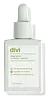 Key Ingredients
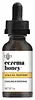
Benefits
Concerns
Ingredients Side-by-side
Water
Skin ConditioningGlycerin
Humectant


Melaleuca Alternifolia Leaf Oil
Antioxidant







Acetyl Tetrapeptide-3
Skin Protecting
Copper Tripeptide-1
Skin Conditioning
Caffeine
Skin Conditioning
Sodium PCA
Humectant
Sodium Lactate
Buffering
Arginine
Masking
Hyaluronic Acid
Humectant
Aspartic Acid
Masking
PCA
Humectant
Biotin
AntiseborrhoeicGlycine
Buffering
Alanine
Masking
Mentha Piperita Oil
Masking


Eucalyptus Globulus Oil
Serine
Masking
Menthol
Masking
Tocopherol
Antioxidant



Valine
MaskingProline
Skin Conditioning
Threonine
Isoleucine
Skin ConditioningRosmarinus Officinalis Leaf Extract
AntimicrobialCamellia Sinensis Leaf Extract
Antimicrobial
Histidine
Humectant
Phenylalanine
Masking
Copper Gluconate
Skin Conditioning
Ascorbic Acid
Antioxidant

Phenylpropanol
Masking
Ethylhexylglycerin
Skin ConditioningWater, Glycerin, Melaleuca Alternifolia Leaf Oil, Acetyl Tetrapeptide-3, Copper Tripeptide-1, Caffeine, Sodium PCA, Sodium Lactate, Arginine, Hyaluronic Acid, Aspartic Acid, PCA, Biotin, Glycine, Alanine, Mentha Piperita Oil, Eucalyptus Globulus Oil, Serine, Menthol, Tocopherol, Valine, Proline, Threonine, Isoleucine, Rosmarinus Officinalis Leaf Extract, Camellia Sinensis Leaf Extract, Histidine, Phenylalanine, Copper Gluconate, Ascorbic Acid, Phenylpropanol, Ethylhexylglycerin


Ingredients Explained
These ingredients are found in both products.
Ingredients higher up in an ingredient list are typically present in a larger amount.
This ingredient is also known as tea tree oil. It has antioxidant, anti-inflammatory, and antimicrobial properties.
Tea tree oil is a complex lipophilic (fat-loving) oil that contains around 100 compounds with terpinen-4-ol being the most abundant (~40%).
Terpinen-4-ol is responsible for tea tree oil's broad-spectrum antimicrobial activity and makes it a well-researched option for acne.
Clinical studies support 5% tea tree oil as an effective topical treatment for mild to moderate acne. A study with 124 patients compared 5% tea tree oil gel to 5% benzoyl peroxide and both reduced acne (though tea tree oil worked more slowly).
Besides acne, it is also seen in anti-dandruff shampoos and scalp treatments for it's antimicrobial and anti-seborrheic properties.
Safety-wise, the allergic potential of low concentrations on healthy skin is considered low. However, oxidized (old or improperly stored) tea tree oil is a stronger sensitizer.
Irritation can also occur if using the undiluted oil on skin; it's best to use this ingredient as part of a carefully crafted cosmetic formula. This is because regulations require tea tree oil in cosmetics to be stabilized to prevent degradation.
This ingredient has been deemed safe up to 2% in shampoo, 1% in cleansers, and 0.1% in face cream by the EU's Scientific Committee on Consumer Safety (SCCS).
There is some lab evidence that tea tree oil is antifungal against Malassezia, but it is a supportive option at best and not a replacement for proven antifungal treatments.
Learn more about Melaleuca Alternifolia Leaf Oil

